
Areas served
Abilene Personal Injury Lawyer
Abilene is the regional hub for the Big Country and the county seat of Taylor County, anchoring an injury catchment that runs across roughly a dozen surrounding counties of ranching and wind-energy country. Serious-injury cases here are heard in Taylor County district court and apply the same Tex. Civ. Prac. & Rem. Code § 16.003 two-year limitations and 51%-bar comparative-fault framework that governs the rest of Texas. The Abilene docket is shaped by three traffic generators that do not overlap with the Permian Basin or the South Plains: I-20 long-haul freight running between Dallas-Fort Worth and the basin, the Dyess Air Force Base commuter and contractor flow on the west side, and the agricultural and wind-farm support traffic that fans out across Taylor, Jones, Nolan, and Callahan counties.
Abilene roads and the corridors where most cases originate
I-20 across Taylor County runs east-west through the north side of Abilene and is the corridor that drives most of our commercial-vehicle intake: long-haul freight, basin-bound oilfield trucks, and a steady mix of wind-energy support traffic share the mainlanes. US-83 north toward Anson and south toward Eden, and US-84 west toward Snyder and east toward Roscoe and Sweetwater, are the two heaviest non-interstate truck corridors and the routes that produce the most serious rural-highway crashes in the catchment. Loop 322 around the east and south sides of Abilene carries cross-town freight and generates a steady pattern of merge collisions where it meets I-20 and the radials. Inside town, Buffalo Gap Road, Treadaway, and South 14th Street handle the bulk of urban arterial commuter traffic, and the corridors around Hardin-Simmons and Abilene Christian University concentrate pedestrian and cyclist intake during the academic year.
Taylor County district court and the regional jury context
Abilene injury cases above the JP-court threshold are filed in Taylor County district court: the 42nd, 104th, 326th, and 350th. Venue under Tex. Civ. Prac. & Rem. Code § 15.002 is proper where the events occurred or where the defendant resides; for a Taylor County crash with a Taylor County defendant, that is Taylor County. Commercial defendants headquartered elsewhere — a Dallas or Houston-based motor carrier, a national wind-energy contractor — open alternative venue analyses. Taylor County juries are anchored in agriculture, energy, and the Dyess defense-contractor community, and the venue choice can materially affect settlement value when both Taylor County and a metropolitan alternative are viable.
Hendrick Medical Center and Abilene trauma routing
Hendrick Medical Center in Abilene is the area's Level II trauma center and the primary destination for serious crash injuries across the Big Country. Hendrick Brownwood and the smaller surrounding facilities handle moderate-acuity ER intake. For the most catastrophic injuries — multi-system trauma, complex pediatric cases, severe burns — patients may be transferred to Dallas-Fort Worth metro Level I facilities or to Lubbock UMC, depending on the injury and the receiving facility's capacity. As a Level II center, Hendrick handles a substantially broader trauma workup locally than a Level III facility would, which means the medical chronology in an Abilene file usually starts and stays at Hendrick through the acute course. The pattern of follow-up imaging catching what the trauma bay missed still applies, and we build the file around the complete record rather than the initial discharge.
Dyess AFB, wind energy, and the commercial-vehicle mix
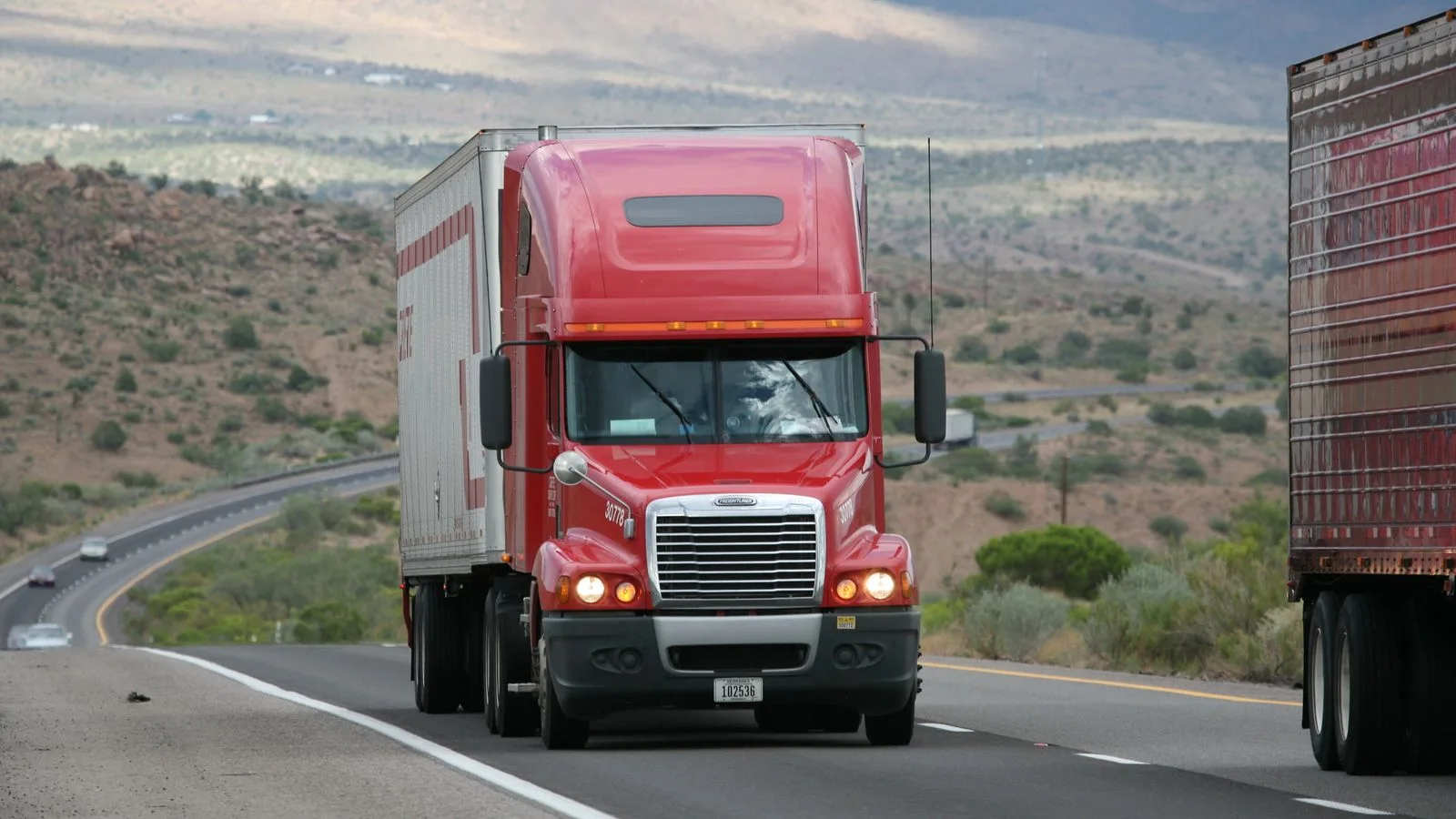
Three commercial-vehicle patterns drive the Abilene caseload. The first is I-20 long-haul freight: FMCSA-regulated tractors running between DFW and the Permian Basin, with the same federal hours-of-service, ELD, and driver-qualification framework that controls every interstate commercial case. The second is wind-energy support: heavy specialized transport for turbine components moving in and out of Nolan and Taylor County wind farms, and the lighter service-fleet traffic that supports operations across the surrounding catchment. The third is Dyess Air Force Base traffic on the west side of the metro: commuter flow, contractor vehicles, and occasional federal-vehicle involvement that raises Federal Tort Claims Act analysis when a government vehicle is the at-fault party. Each pattern carries its own evidence-preservation playbook.
Abilene practice areas
How we help Abilene injury victims.


Frequently asked
Questions Texas accident victims ask us
- Serious-injury cases out of Abilene and most of Taylor County are filed in Taylor County district court, generally one of the civil district courts that hear personal injury matters. The specific court is assigned by random docket draw at filing. Commercial-defendant cases involving carriers or corporations headquartered outside Taylor County can open alternative venues under Tex. Civ. Prac. & Rem. Code § 15.002, and we run that analysis before filing rather than after.
- Hendrick Medical Center in Abilene is the regional Level II trauma center and the primary destination for serious crash injuries across the Big Country. For the most catastrophic cases — severe multi-system trauma, complex pediatrics, severe burns — patients may be transferred to a Level I facility in DFW or to Lubbock UMC. As a Level II, Hendrick handles substantially more of the acute trauma course locally than a Level III center would, so the bulk of the medical chronology usually stays in Abilene.
- The federal framework is the same: an FMCSA-regulated commercial motor vehicle running interstate freight is governed by 49 C.F.R. Parts 350-399 regardless of which Texas county the crash happens in. ELD logs, driver qualification files, post-crash testing, and ECM data are all preserved on the same spoliation timeline. The venue analysis is what differs: a crash in Taylor County is filed against a Taylor County jury baseline, with the carrier's home venue or other defendant-resident venues sometimes available as alternatives.
- When the at-fault driver is a federal employee operating a federal vehicle in the course and scope of duty, the case proceeds under the Federal Tort Claims Act rather than ordinary Texas personal injury procedure. There is a pre-suit administrative claim requirement — a Form 95 filed with the responsible federal agency — that must be exhausted before suit can be filed in U.S. district court. The substantive negligence law is still Texas law, but the procedure and the timeline are federal. We handle the FTCA analysis at intake.
- Wind-turbine component transport — blades, tower sections, nacelles — frequently moves under a Texas Department of Transportation oversize/overweight permit with route, time-of-day, and escort-vehicle restrictions baked into the permit conditions. When the actual movement violates those conditions, that becomes a documented regulatory violation alongside the ordinary negligence analysis. We pull the permit and the route documentation early in the file.
- Two years from the date of injury under Tex. Civ. Prac. & Rem. Code § 16.003. The statute is statewide; Taylor County does not impose its own. Exceptions apply for minors and for claims against governmental entities — the City of Abilene, Taylor County, or any state-related defendant — which require pre-suit notice within six months under the Texas Tort Claims Act. Federal Tort Claims Act matters have their own administrative-claim deadlines.
- Yes. Abilene is the regional hub for the surrounding counties: Nolan, Brown, Eastland, Callahan, Jones, Shackelford, Coleman — and many of the injury cases we work in the area arrive at Hendrick Medical Center after a crash on a rural state highway or FM road well outside the city. Venue typically follows the crash location, so the case may file in the county where the crash occurred rather than Taylor County. We map venue at intake and discuss the trade-offs candidly.
- Abilene is about a three-and-a-half hour drive from our Austin office: closer than Midland or Lubbock, farther than the Hill Country. We are realistic about what the geography means for in-person court time. What clients hire us for is the boutique trade: a small caseload, direct attorney access from intake through resolution, and a willingness to litigate federal motor-carrier and FTCA cases without farming the work out. For a routine soft-tissue claim, a local Abilene firm may make more sense. For a serious commercial-vehicle case, the boutique model is the value.
Let's talk about your case.
Free case review, no obligation. We'll tell you straight whether we can help.