
Cypress · Truck Accident
Cypress Truck Accident Lawyer
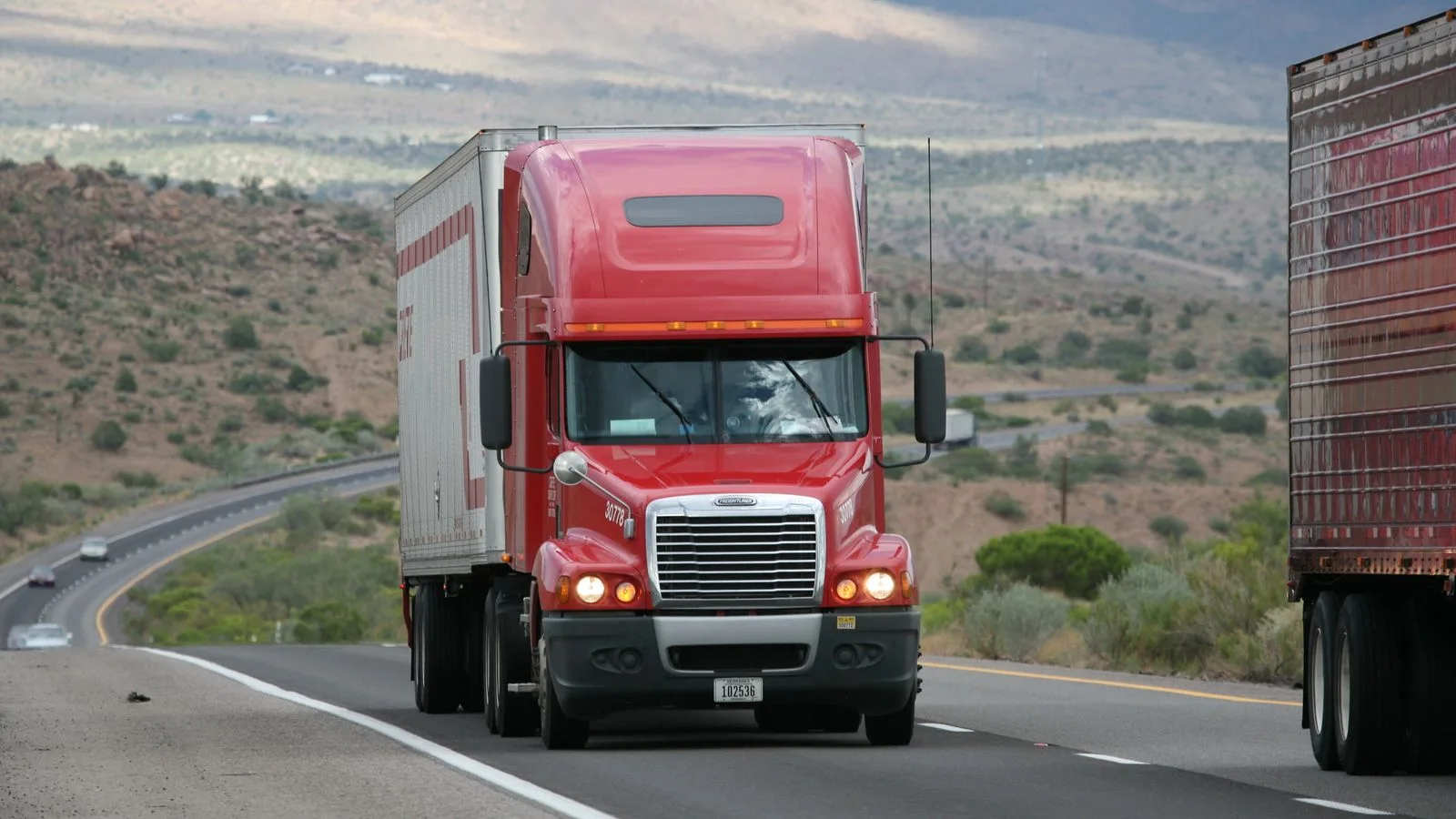
A commercial truck accident claim in Cypress involves a crash with a tractor-trailer, 18-wheeler, or commercial carrier vehicle on a freight corridor like US-290 or the Grand Parkway, where the case is built not just on negligence but on the federal safety regulations governing the carrier. The Federal Motor Carrier Safety Regulations require carriers to maintain hours-of-service logs, driver-qualification files, and electronic logging device records that can reveal fatigue or maintenance violations behind a crash. Under Texas law, the two-year deadline under § 16.003 applies, but the practical window for preserving electronic data is far shorter. The motor carrier is typically a defendant alongside the driver under respondeat superior, and its commercial auto policy coverage far exceeds what personal policies provide.
Why Cypress cases are different
US-290 carries heavy through-traffic between Houston and Austin and the Hill Country, while energy and logistics footprints along the Grand Parkway pull corporate fleets onto Cypress roads, making 18-wheeler and commercial-vehicle files a meaningful share of local intake.
The freight corridors that drive Cypress truck files
Cypress sits at the northwest edge of the Houston metro, where US-290 functions as a long-haul connector and the Grand Parkway routes regional freight around the city. That positions tractor-trailers, fleet vehicles, and contractor trucks in the same managed-lane merge points at Eldridge Parkway, Telge Road, and Mueschke Road where passenger-car crashes already cluster. The physics differ sharply: a loaded commercial vehicle striking a passenger car at freeway speed produces catastrophic injury patterns the suburban ER network is built to triage fast, often transferring polytrauma cases southeast to Memorial Hermann-TMC by Life Flight. Energy-sector and logistics corporate operations along the parkway add fleet and contractor vehicles to the mix, which raises the employer-liability question early. When the driver was on the clock, the company that dispatched the truck is typically in the case alongside the driver.
FMCSA records, ELD data, and why preservation cannot wait
Commercial trucks operate under federal safety rules that ordinary drivers do not, and that regulatory layer is where these cases are built. The carrier must keep driver-qualification files, hours-of-service logs, and electronic logging device data, all of which can show fatigue, unlawful driving hours, or maintenance failures behind a crash. Post-crash drug-and-alcohol screening and the carrier's prior safety record round out the picture. The catch is retention: ELD and telematics data can be overwritten on short cycles, so we send spoliation letters at intake to lock it down before it disappears. Liability frequently reaches past the driver to the motor carrier under respondeat superior, and sometimes to a broker or shipper. Commercial auto policies are also far larger than personal limits and often sit beneath an umbrella layer, which changes the recovery math on serious Cypress files.
More in Cypress
Other ways we help Cypress injury victims.






Frequently asked
Cypress truck accident questions
- Because the most important evidence lives in electronic systems that overwrite on short cycles. ELD logs, telematics, and onboard data can be lost within weeks. We send spoliation letters at intake demanding the carrier preserve hours-of-service logs, driver-qualification files, and post-crash screening results so the regulatory record stays intact for your case.
- Usually, yes. If the driver was working when the crash happened, the motor carrier is typically liable under respondeat superior, and may carry independent exposure for negligent hiring, training, or maintenance. Depending on the load, a broker or shipper can also be in the picture. Carrier liability matters because commercial policies are far larger than a personal driver's limits.
- Federal rules require interstate carriers to carry far higher liability coverage than the Texas personal-auto minimum, and many fleets layer an umbrella policy on top. For the serious injuries common in US-290 truck crashes, that larger coverage tower is often the difference between a recovery that covers a lifetime of care and one capped by a thin personal policy.
- Federal Motor Carrier Safety Regulations under 49 C.F.R. Part 395 limit a commercial driver to 11 hours of driving within a 14-hour on-duty window. When a carrier or driver violates those limits, fatigue becomes a documented factor rather than a theory. Hours-of-service violations also support a gross negligence claim, which opens the door to exemplary damages under Tex. Civ. Prac. & Rem. Code § 41.003.
- Not necessarily. Under 49 C.F.R. § 376.12, the motor carrier whose operating authority the truck runs under remains liable regardless of the driver's independent-contractor label. Energy-sector and logistics companies operating along the Grand Parkway corridor often use leased owner-operators, but that arrangement does not insulate the carrier from FMCSA liability.
- In Harris County district court at 201 Caroline for cases venued in Texas state court. If the motor carrier is incorporated out of state and diversity exists, the defense may remove to the Southern District of Texas at the Bob Casey courthouse on Rusk Street in Houston. Either venue serves the case; what matters is locking down FMCSA records and ELD data well before any court filing deadline.
Where we work from
Downtown Austin. Cypress clients welcome.
Our office is in downtown Austin; we represent Cypress-area clients statewide and travel to Cypress for case-specific needs (scene visits, medical-records consultations, court appearances). Home and hospital visits when injuries make travel difficult.
Talk to a Cypress truck accident lawyer.
Free case review, no obligation. We'll tell you straight whether we can help.