
Garland · Truck Accident
Garland Truck Accident Lawyer
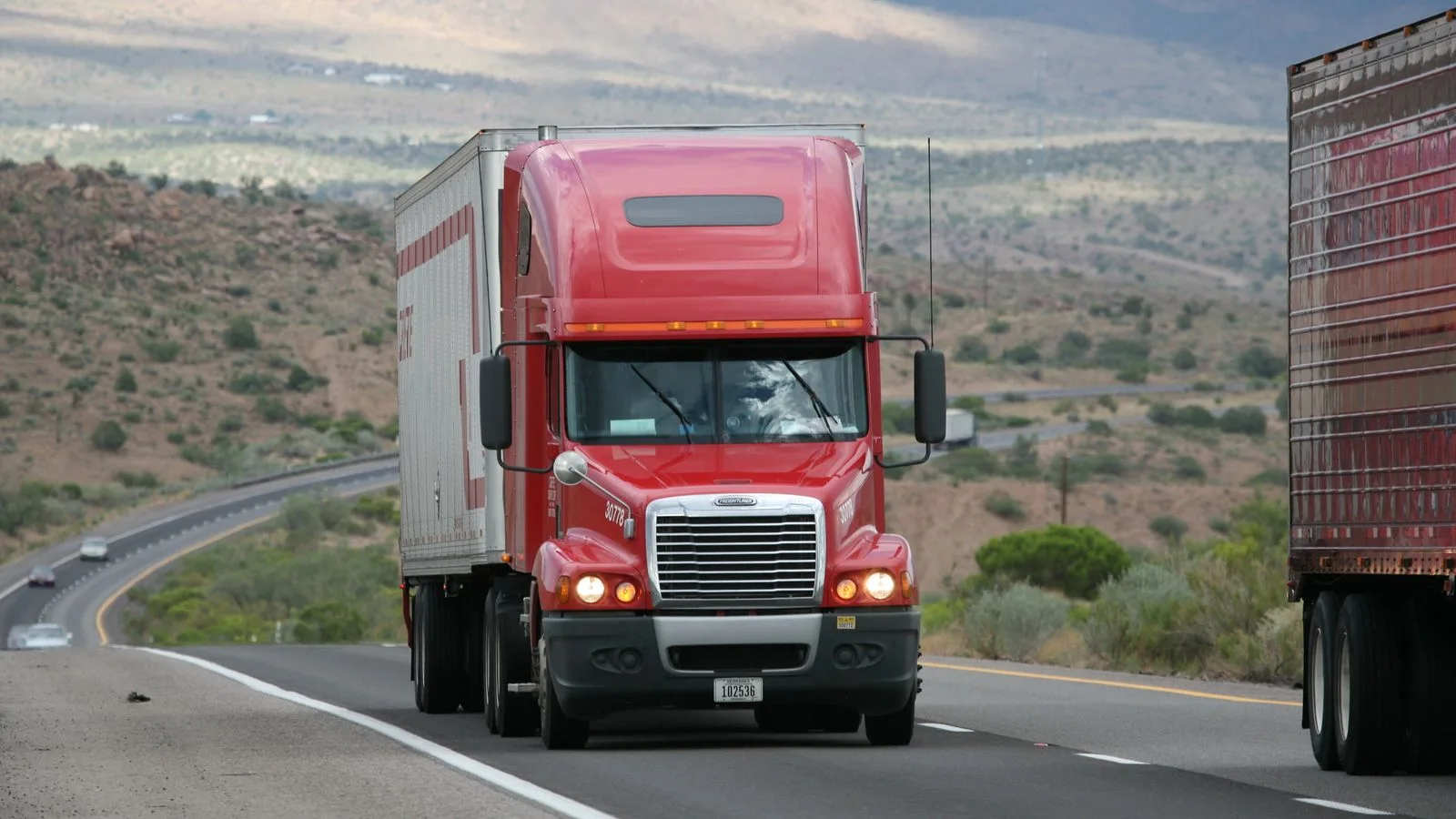
A commercial truck crash case in Garland involves a tractor-trailer or heavy commercial vehicle operating on freight corridors such as I-635 (LBJ Freeway) or the President George Bush Turnpike, where FMCSA regulations under 49 C.F.R. Parts 350–399 govern the carrier and driver alongside Texas law. These cases are different from car-crash claims because liability typically extends from the individual driver to the motor carrier itself through respondeat superior, negligent hiring, and direct violations of federal hours-of-service and maintenance rules. The two-year statute under § 16.003 applies, but ECM data, ELD logs, and dashcam footage cycle out within weeks, making early preservation letters critical. Suits are filed in Dallas County district court, and Dallas County venue often carries strategic value when carriers running LBJ or PGBT routes are defendants.
Why Garland cases are different
I-635 (LBJ Freeway) along Garland's southern boundary carries some of the heaviest commercial-vehicle volume in the metro, producing a larger share of truck-involved collisions than the radial freeways further west. Cap City builds these freight-corridor cases for Garland clients from Austin.
Why LBJ and PGBT freight cases are different
A collision with an 18-wheeler or commercial vehicle on LBJ Freeway is not a bigger car wreck; it is a different case. Federal Motor Carrier Safety Administration rules govern the driver and carrier, including electronic logging device records and hours-of-service limits that often reveal fatigue or schedule pressure behind a crash. Liability frequently reaches past the driver to the motor carrier under employer-liability and course-and-scope principles, and even an independent-contractor pickup pulling a trailer for a regional service company can put the company on the hook vicariously. Commercial policies carry far higher limits than personal auto coverage, which is why carriers and their insurers move fast to control the narrative. Cases against carriers running LBJ or PGBT freight routes also tend to have meaningful Dallas County venue anchors, which matters given how county juries weigh injury damages.
Evidence that disappears in days, not months
Critical truck evidence is on a short clock. The tractor's engine control module captures speed, braking, and acceleration, but that data can be lost once the vehicle is repaired or returned to service. Dashcam and onboard-camera footage is commonly overwritten on a 7-to-30-day cycle. Hours-of-service logs are subject to federal retention periods, yet practical access drops quickly once a carrier lawyers up. TxDOT camera footage from the LBJ segment has its own retention window, and toll-gantry footage along the PGBT from the North Texas Tollway Authority must be requested before it cycles out. A spoliation letter sent in the first week preserves what a letter in month three cannot. We also pursue the driver-qualification file, maintenance records, and dispatch logs, because the carrier's own paper often shows the pressure or shortcut that caused the wreck.
More in Garland
Other ways we help Garland injury victims.



Frequently asked
Garland truck accident questions
- The tractor's ECM data on speed and braking survives only until the vehicle is repaired or returned to service. Dashcam footage is often overwritten within 7 to 30 days. Hours-of-service logs, the driver-qualification file, maintenance records, dispatch logs, and TxDOT camera footage from the LBJ segment all have limited windows. A preservation letter in week one protects evidence a later letter cannot.
- Often, yes. Under employer-liability and course-and-scope principles, the motor carrier can be responsible for its driver's conduct, and FMCSA violations in hiring, supervision, or maintenance can create direct claims against the company. Even an independent contractor hauling for a service company can trigger vicarious liability, which usually reaches higher commercial insurance limits.
- Commercial carriers and their insurers know their policy limits are high and their exposure is large, so they move fast to lock in a recorded statement and an early, low offer before your injuries are fully documented. You are not required to give a recorded statement to the other side's insurer, and it is usually better to decline until you have counsel and a complete medical picture.
- Commercial trucks operating on those corridors are governed by the Federal Motor Carrier Safety Regulations (49 C.F.R. Parts 350–399), which impose hours-of-service limits, mandatory pre-trip inspections, driver qualification standards, and drug-and-alcohol testing requirements. A carrier that violates any of these rules and causes a crash can face both liability for the underlying negligence and, if the violation was egregious, exposure to exemplary damages under Tex. Civ. Prac. & Rem. Code § 41.003.
- Dallas County juries have historically been more receptive on personal injury damages than some surrounding counties, which can matter significantly in high-value commercial-vehicle cases. Under Tex. Civ. Prac. & Rem. Code § 15.002, suit may be brought where the accident occurred or where the defendant has its principal office. Carriers running LBJ and PGBT routes often have Dallas County connections that anchor venue there.
- Possibly, if the carrier's conduct amounts to gross negligence. Under § 41.003, that requires clear-and-convincing proof that the carrier knew of an extreme risk and proceeded anyway: for example, a pattern of falsified hours-of-service logs or systemic disregard of maintenance requirements. Exemplary damages are capped under § 41.008 but can substantially exceed compensatory damages in egregious cases.
Where we work from
Downtown Austin. Garland clients welcome.
Our office is in downtown Austin; we represent Garland-area clients statewide and travel to Garland for case-specific needs (scene visits, medical-records consultations, court appearances). Home and hospital visits when injuries make travel difficult.
Talk to a Garland truck accident lawyer.
Free case review, no obligation. We'll tell you straight whether we can help.