
Lakeway · Truck Accident
Lakeway Truck Accident Lawyer
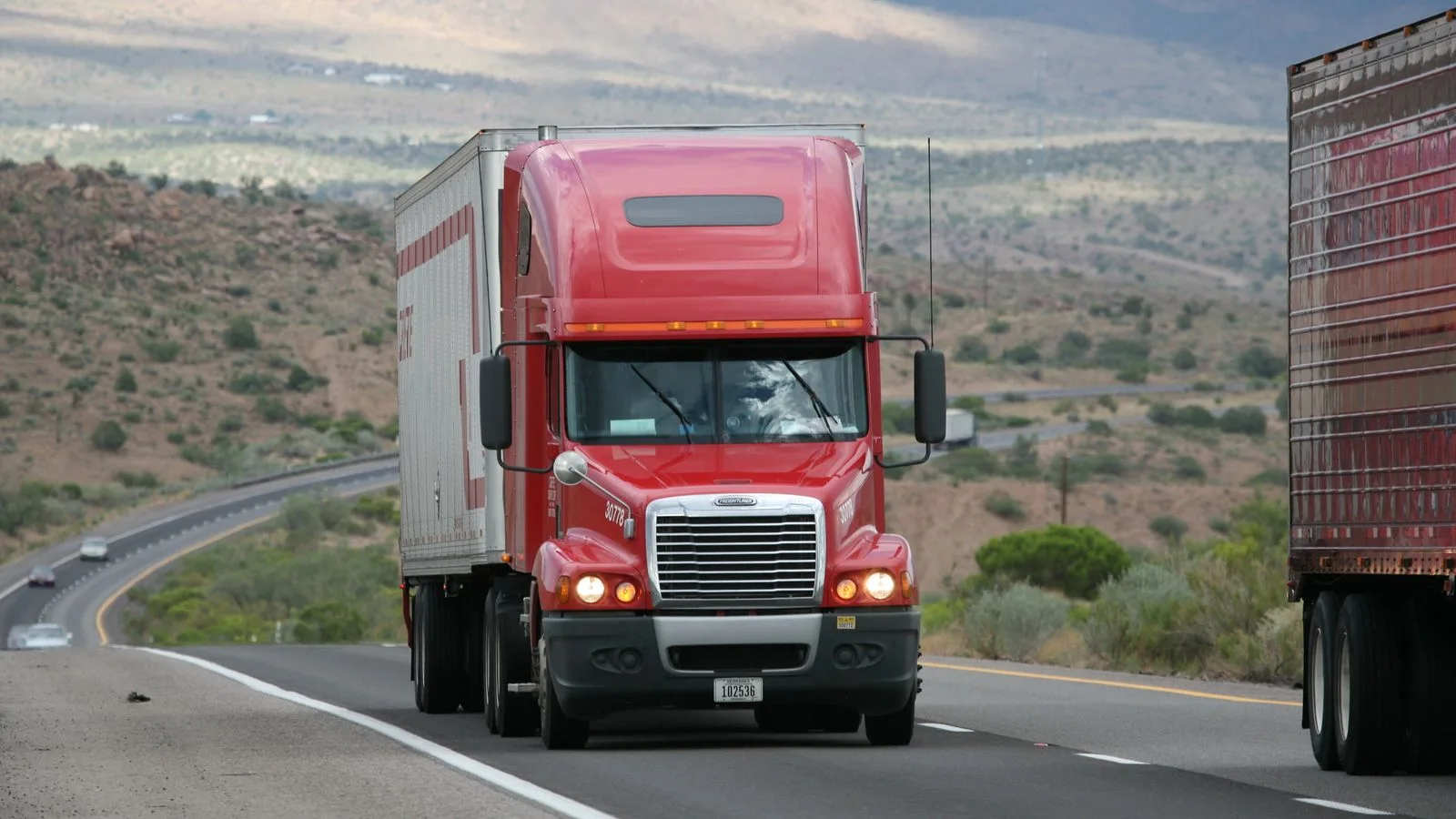
A commercial truck crash on Lakeway's roads is governed by a layered set of rules beyond ordinary negligence: the Federal Motor Carrier Safety Regulations impose hours-of-service limits, mandatory maintenance standards, and driver-qualification requirements on every carrier operating an 18-wheeler or heavy commercial truck on RM-620 or the area's other freight corridors. When a regulated carrier violates those rules and a crash results, the motor carrier itself—not just the driver—is typically a defendant under Texas respondeat superior and direct-negligence theories. Cases are filed in Travis County district court in Austin, and the evidence window closes fast: ELD logs and electronic control module data can cycle out within months, which is why spoliation letters go out within days of the crash.
Why Lakeway cases are different
Commercial-vehicle crashes around Lakeway concentrate on RM-620, where construction and delivery trucks serving the western Austin metro share narrow, curving alignments with suburban traffic, and the federal rules that govern those carriers turn a routine collision into a heavily documented liability case.
FMCSA rules, ELDs, and hours-of-service on the 620 corridor
An 18-wheeler or commercial truck operating on RM-620 is governed by the Federal Motor Carrier Safety Regulations, which create a paper and data trail that ordinary car crashes do not. Electronic logging devices record hours of service, and the hours-of-service limits exist precisely to prevent the fatigue that turns a descending RM-620 grade into a run-off-road or override crash. The truck's own electronic control module captures speed, throttle, and braking in the seconds before impact, which matters enormously on the elevation changes and blind curves the city file describes, because a fully loaded commercial vehicle's stopping distance on a downhill curve is the central physics of these wrecks. We send spoliation letters immediately to preserve ELD records, driver logs, dispatch data, and the maintenance file before a carrier's retention window closes.
Employer liability and higher commercial policy limits
The most important difference between a truck case and a car case is who pays. Under Texas respondeat superior and direct-negligence theories, the motor carrier that employs the driver is typically liable for negligent operation, and often separately liable for negligent hiring, training, or supervision and for unsafe dispatch. That matters because commercial trucks carry substantially higher liability limits than the personal policies common in passenger-car wrecks, so the recovery posture is fundamentally different. The city file notes that construction and delivery industries serve the Lakeway area and that commercial defendants headquartered out of state are common here, which can open federal diversity jurisdiction. We evaluate that venue question before filing, because the choice between Travis County district court and federal court can shape discovery and scheduling on a high-value commercial claim.
More in Lakeway
Other ways we help Lakeway injury victims.






Frequently asked
Lakeway truck accident questions
- Because the federal FMCSA rules apply. A commercial carrier must keep ELD hours-of-service logs, maintenance records, and dispatch data, and the truck's control module captures pre-impact speed and braking. On the descending grades and curves of RM-620, that physics-of-stopping data is often decisive. The carrier also typically holds far higher policy limits than a passenger driver, which changes the recovery picture.
- Often the motor carrier itself. Under Texas law an employer is generally liable for an employee driver's negligence, and can be separately liable for negligent hiring, training, supervision, or unsafe dispatch. With the construction and delivery operations serving the Lakeway area, identifying the right corporate defendant, and whether it is based out of state, is an early priority because it can change the available coverage and the court.
- It can. A Lakeway crash normally files in Travis County district court in Austin, but when a commercial defendant is headquartered out of state, which the city file notes is common in the construction and delivery industries serving this area, federal diversity jurisdiction may open. We assess that before filing because the venue choice affects discovery and scheduling on a high-stakes commercial claim.
- Faster than in a car case. ELD logs, driver qualification files, and ECM downloads can cycle out in months under carrier retention policies, and some carriers overwrite data quickly after a crash. A spoliation and preservation letter to the carrier, the driver, and any involved broker needs to go out within days of the incident, not weeks. Waiting can mean the most important liability evidence is permanently gone.
- Rarely. Federal regulation 49 C.F.R. § 376.12 generally holds the motor carrier whose operating authority is on the truck liable regardless of how the driver relationship is labeled. Texas courts also examine the actual degree of control, not just the contract label, in assessing direct-negligence theories. The independent-contractor defense is one of the first arguments carriers raise and one of the first we attack.
- Two years from the date of the crash under Tex. Civ. Prac. & Rem. Code § 16.003, the same statewide deadline as other personal injury claims in Travis County. However, the practical deadline for evidence preservation is days, not years. ELD and ECM data begin cycling out almost immediately, so engaging counsel early in a truck case is not just advisable, it is often what makes the difference between a provable liability case and a word-against-word dispute.
Where we work from
Downtown Austin. Lakeway clients welcome.
Our office is in downtown Austin; we represent Lakeway-area clients statewide and travel to Lakeway for case-specific needs (scene visits, medical-records consultations, court appearances). Home and hospital visits when injuries make travel difficult.
Talk to a Lakeway truck accident lawyer.
Free case review, no obligation. We'll tell you straight whether we can help.