
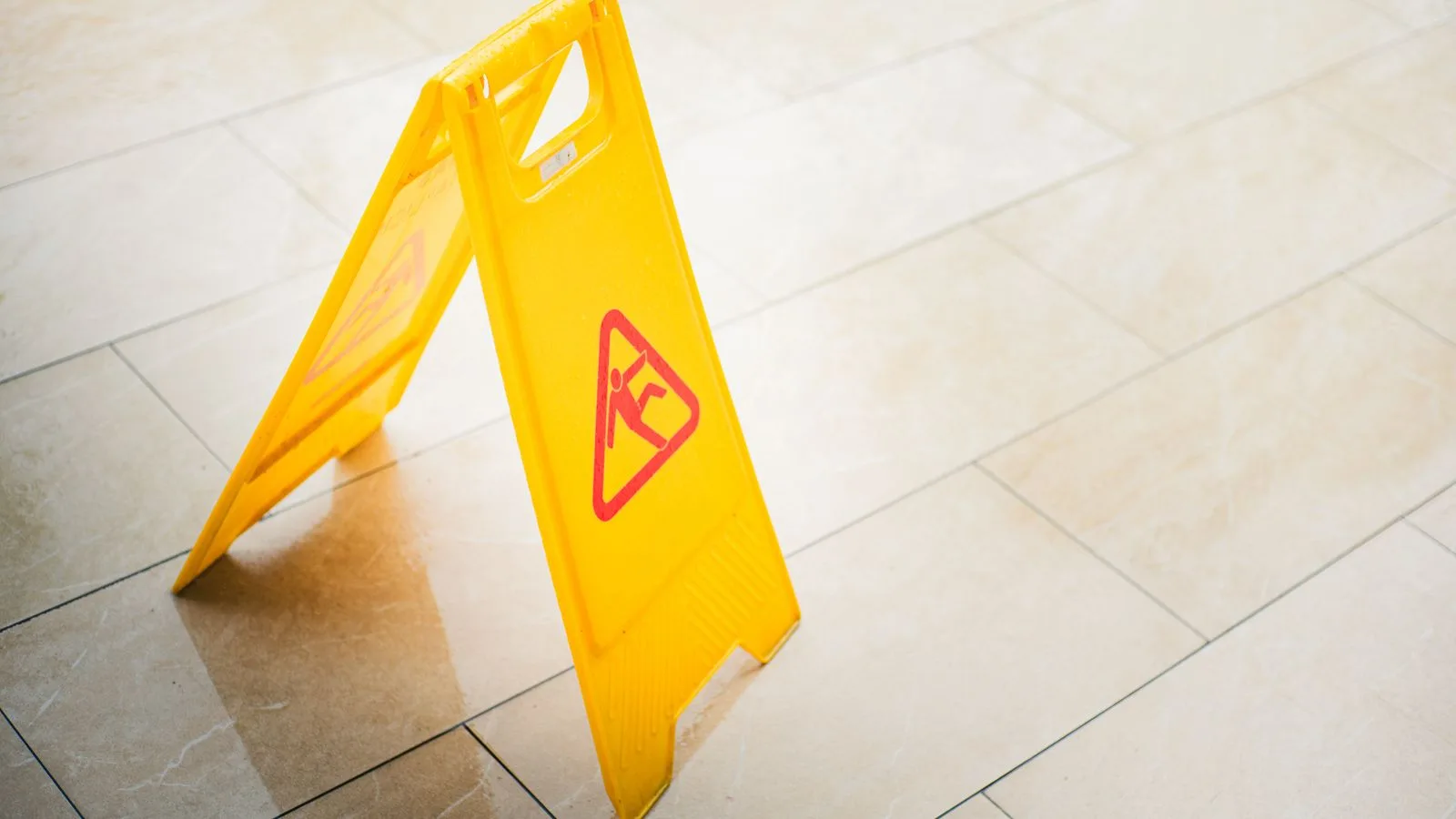
Lewisville · Slip & Fall
Lewisville Slip & Fall Lawyer
A premises liability claim in Lewisville arises when someone is injured by a hazardous condition on property they were invited onto: a store along FM-3040, a marina or restaurant near Lake Lewisville, or an apartment complex in the I-35E corridor. Texas law imposes the highest duty on owners of commercial property toward invitees: inspect for dangers, correct them, or give adequate warning. The case almost always turns on notice — whether the owner knew or should have known about the hazard before the fall — and proving that notice requires surveillance footage, inspection logs, and incident reports that have short shelf lives. Suits are filed in Denton County district court and must be brought within two years under § 16.003, though government-property claims require written notice within six months.
Why Lewisville cases are different
Lewisville's economy runs on foot traffic: Vista Ridge Mall, the big-box clusters east of I-35E along FM-3040, and the marina and lakefront restaurants that fill up from April through October. When an owner lets a hazard sit, a fall becomes a premises liability case with a strict notice requirement.
Premises liability and the notice requirement
A Texas slip-and-fall claim is not about the fact that you fell; it is about whether the property owner knew or should have known about the hazard and failed to fix or warn of it. As an invited customer at a Lewisville mall, store, or restaurant, you are an invitee, the category owed the highest duty: the owner must inspect for dangers and address them. The case usually turns on notice. Did a spill sit long enough that a reasonable inspection would have caught it? Was the dangerous condition created by the store itself? On the high-volume FM-3040 retail corridor, that means securing incident reports, cleaning and inspection logs, and surveillance video that shows how long the hazard existed before your fall. Without proof of notice, even a genuine injury can fail, which is why the early evidence work is decisive.
Lakefront and marina premises claims
The Lake Lewisville draw adds a distinct set of premises cases: wet and slick surfaces at boat ramps and docks, unmarked drop-offs and uneven walkways at marinas, and slip hazards at the lakefront restaurants that surge with weekend and event-weekend crowds. These operators owe their paying guests the same invitee duty to keep the premises reasonably safe and to warn of non-obvious dangers. The complication is evidence: marina and lakefront security footage is usable but has a short preservation window, and seasonal staffing means inspection records are often thin. We move quickly to demand the footage and maintenance logs before they cycle out, and we pin down exactly where the fall happened, because a dock, ramp, or restaurant patio can each carry different duties and different responsible parties under Texas premises law.
More in Lewisville
Other ways we help Lewisville injury victims.



Frequently asked
Lewisville slip & fall questions
- No. Texas requires you to show the owner knew or reasonably should have known about the hazard and failed to address it. A spill that just happened may not be enough; one that sat for a while, or a danger the store itself created, is different. Surveillance video and cleaning logs showing how long the hazard existed are usually what makes or breaks the claim.
- Report it, get the incident documented, and get the location preserved. Marina and lakefront camera footage is genuinely helpful but is often overwritten within a short window, and seasonal inspection records can be sparse. Acting quickly so counsel can demand the video and maintenance logs before they disappear is the single most important step in these lakefront cases.
- Suits above the JP-court limit are filed in Denton County district court on the downtown Denton square. The deadline is generally two years from the fall under Texas law. Government-owned property carries shorter notice requirements. Default to two years, but contact a lawyer early so the surveillance footage and inspection records can still be preserved.
- It depends on where the fall happened and who controlled that space. A fall inside a store is generally the tenant's responsibility; a fall in a common area, parking structure, or hallway is typically the landlord's or mall operator's. In leased commercial space, both tenant and landlord can sometimes be liable depending on the lease terms and who had the duty to maintain the specific area. We identify the right defendants before filing.
- Not necessarily. Texas has narrowed the open-and-obvious defense: an owner cannot simply invoke it and walk away from liability when the condition is still unreasonably dangerous. The analysis turns on whether the owner should have anticipated that an invitee might not avoid the hazard. We analyze the specific condition, the surrounding context, and whether the owner took any steps to warn or remedy it.
- You can, but the Texas Tort Claims Act applies, which limits governmental immunity and imposes additional procedural requirements. Most importantly, written notice of the claim must be given to the governmental unit within six months of the incident; missing this deadline generally bars the case. Damage caps under Chapter 101 also apply. We evaluate Tort Claims Act claims separately from ordinary premises cases.
Where we work from
Downtown Austin. Lewisville clients welcome.
Our office is in downtown Austin; we represent Lewisville-area clients statewide and travel to Lewisville for case-specific needs (scene visits, medical-records consultations, court appearances). Home and hospital visits when injuries make travel difficult.
Talk to a Lewisville slip & fall lawyer.
Free case review, no obligation. We'll tell you straight whether we can help.