
McAllen · Truck Accident
McAllen Truck Accident Lawyer
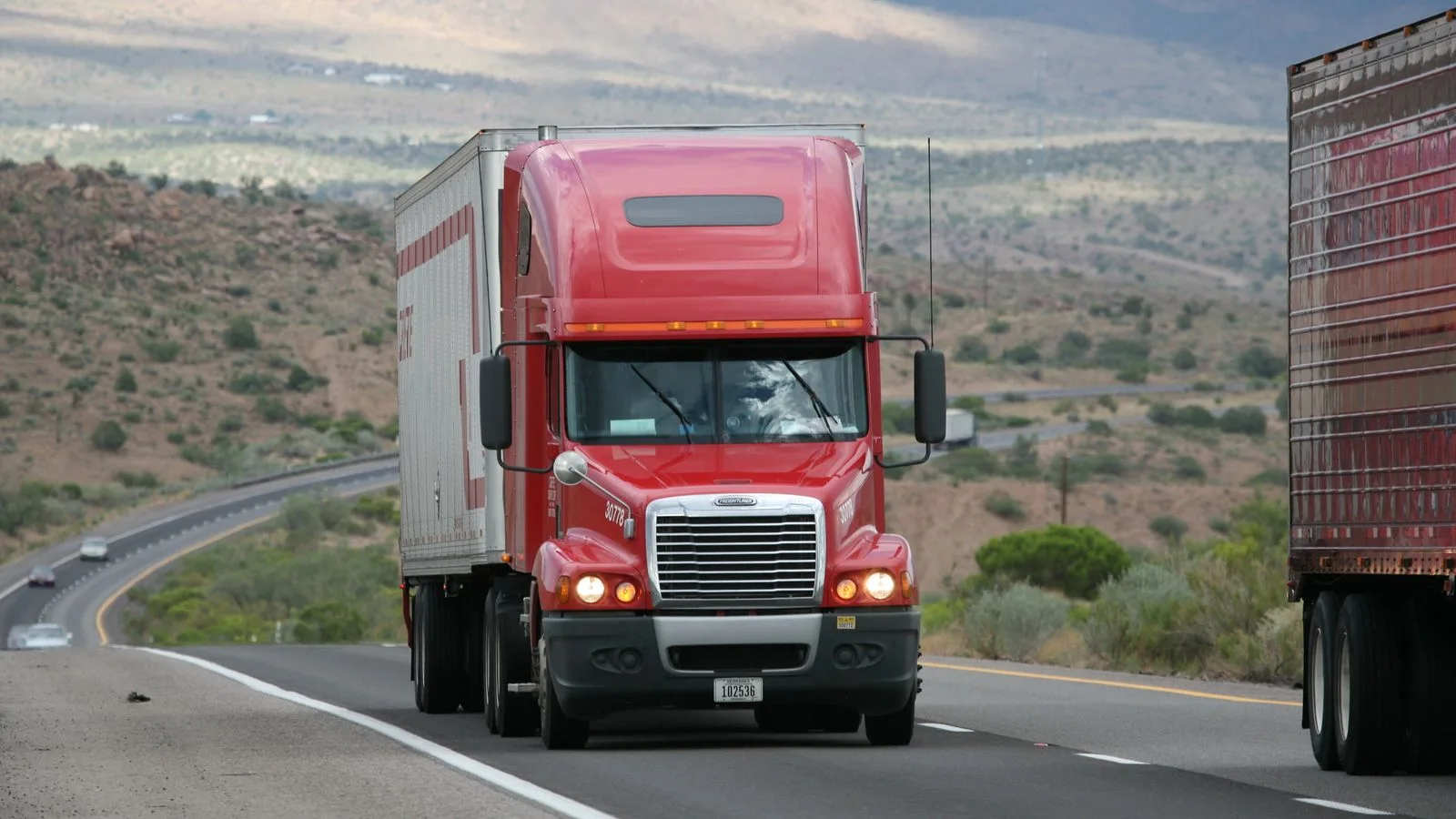
A commercial truck accident claim in McAllen involves a tractor-trailer or 18-wheeler crash governed by a dual regulatory layer: the Federal Motor Carrier Safety Regulations (49 C.F.R. Parts 350–399) on the federal side and Tex. Transp. Code Chapter 644 on the state side, with common-law respondeat superior pulling the motor carrier in alongside the driver. The freight corridors at greatest risk in Hidalgo County are I-2 between Ware Road and the I-69C interchange and the US-281/I-69C spine running north through Edinburg, which carry produce-hauling rigs and maquiladora-linked cargo off the Pharr-Reynosa and McAllen-Hidalgo international bridges daily. Because ELD logs, ECM data, and driver-qualification files cycle out on short retention windows, preservation letters need to go out within days of the crash, not months. Serious cases are filed in the Hidalgo County district courts in Edinburg or, where cross-border parties create diversity of citizenship, removed to the McAllen Division of the Southern District of Texas in the Bentsen Tower.
Why McAllen cases are different
McAllen sits at the center of a freight economy: produce-hauling tractor-trailers and maquiladora-linked cargo from the Pharr and McAllen-Hidalgo bridges run the I-2 and I-69C corridors daily. Cap City builds those Hidalgo County commercial cases from its Austin office.
Bridge freight, produce trucking, and the corridors that carry it
Commercial traffic from the Pharr-Reynosa and McAllen-Hidalgo international bridges feeds onto I-2 and up the I-69C/US-281 corridor toward San Antonio every day. Layered on top is the Valley's agriculture economy: citrus, sugar cane, and produce-hauling tractor-trailers, plus farm-equipment traffic on the FM roads around Alamo, Donna, and Mercedes. When one of those rigs rear-ends a vehicle stacked near the I-69C interchange in Pharr, the file is immediately a commercial-defendant case rather than a passenger-car case, involving the motor carrier, its commercial auto policy, and frequently a corporate umbrella above it. Where the freight is cross-border, the structure gets more layered still: a U.S.-side broker, a Texas-domiciled commercial carrier, and a Mexican-domiciled shipper, each with its own insurance and its own preservation timeline. We identify the carrier and the cargo origin first, because that drives every step that follows.
FMCSA records, the spoliation clock, and federal removal
Federally regulated carriers must keep driver-qualification files, hours-of-service logs, electronic logging device (ELD) data, and post-crash drug-and-alcohol testing, and the carrier's CSA safety record adds context on prior violations. The problem is timing: ELD and telematics data cycle on short retention windows, so spoliation letters covering the tractor's ECM, the ELD logs, the driver-qualification file, and post-crash testing need to be out within days of intake. Because the truck was operated in furtherance of the carrier's business, employer liability attaches and we tender against the commercial layer rather than a thin personal policy. The cross-border layer also raises federal-court exposure: cases involving Mexican-domiciled carriers or shippers, and the larger trucking files originating at the Pharr or Hidalgo bridges, are common removal targets to the U.S. District Court for the Southern District of Texas, McAllen Division, in the Bentsen Tower downtown. We screen for that before drafting the petition.
More in McAllen
Other ways we help McAllen injury victims.





Frequently asked
McAllen truck accident questions
- A federally regulated carrier brings records a passenger case never has: driver-qualification files, hours-of-service logs, ELD data, post-crash testing, and a CSA safety history. Commercial coverage usually sits beneath a corporate umbrella, so the recovery available is larger. The case is also built faster, because telematics data cycles quickly and has to be preserved within days, not months.
- It can. A cross-border freight case often involves a U.S.-side broker, a Texas-domiciled carrier, and a Mexican-domiciled shipper, each with its own insurance layer and preservation timeline. It also raises questions about service of process and coverage reciprocity, and it makes removal to the McAllen Division of federal court more likely. We map the responsible parties and the jurisdiction at intake before any case is taken on.
- Be cautious. Early offers usually arrive before the full injury picture and the carrier's safety record are known, and they often come tied to a recorded statement and a release. Once you sign, the claim is closed. We recommend preserving the ELD and ECM data and completing the medical workup before any number is evaluated against the commercial coverage actually available.
- Two years from the date of injury under Tex. Civ. Prac. & Rem. Code § 16.003. But the practical deadline for a commercial case is measured in days, not years: ELD logs, ECM data, and driver-qualification files are overwritten or purged on short retention cycles. Preservation letters need to go out within days of the crash, or that evidence is gone. Call counsel immediately after a serious commercial-vehicle crash.
- The carrier whose DOT operating authority the driver ran under typically remains liable even under an independent-contractor label, under 49 C.F.R. § 376.12. We look past the contract language to the actual operating relationship and the authority shown on the truck. Motor carriers in this market are experienced defendants and will argue contractor status; the regulatory record usually tells a different story.
- Farm and produce haulers operating in interstate commerce are still subject to FMCSA regulations, including hours-of-service and vehicle-maintenance standards. Crashes on the FM roads around Alamo, Donna, and Mercedes follow the same commercial-defendant playbook: identify the carrier, send preservation letters, pull the CSA record, and tender against the commercial auto and umbrella layers. The fact pattern may be rural, but the regulatory obligations are the same.
Where we work from
Downtown Austin. McAllen clients welcome.
Our office is in downtown Austin; we represent McAllen-area clients statewide and travel to McAllen for case-specific needs (scene visits, medical-records consultations, court appearances). Home and hospital visits when injuries make travel difficult.
Talk to a McAllen truck accident lawyer.
Free case review, no obligation. We'll tell you straight whether we can help.