
Midland · Truck Accident
Midland Truck Accident Lawyer
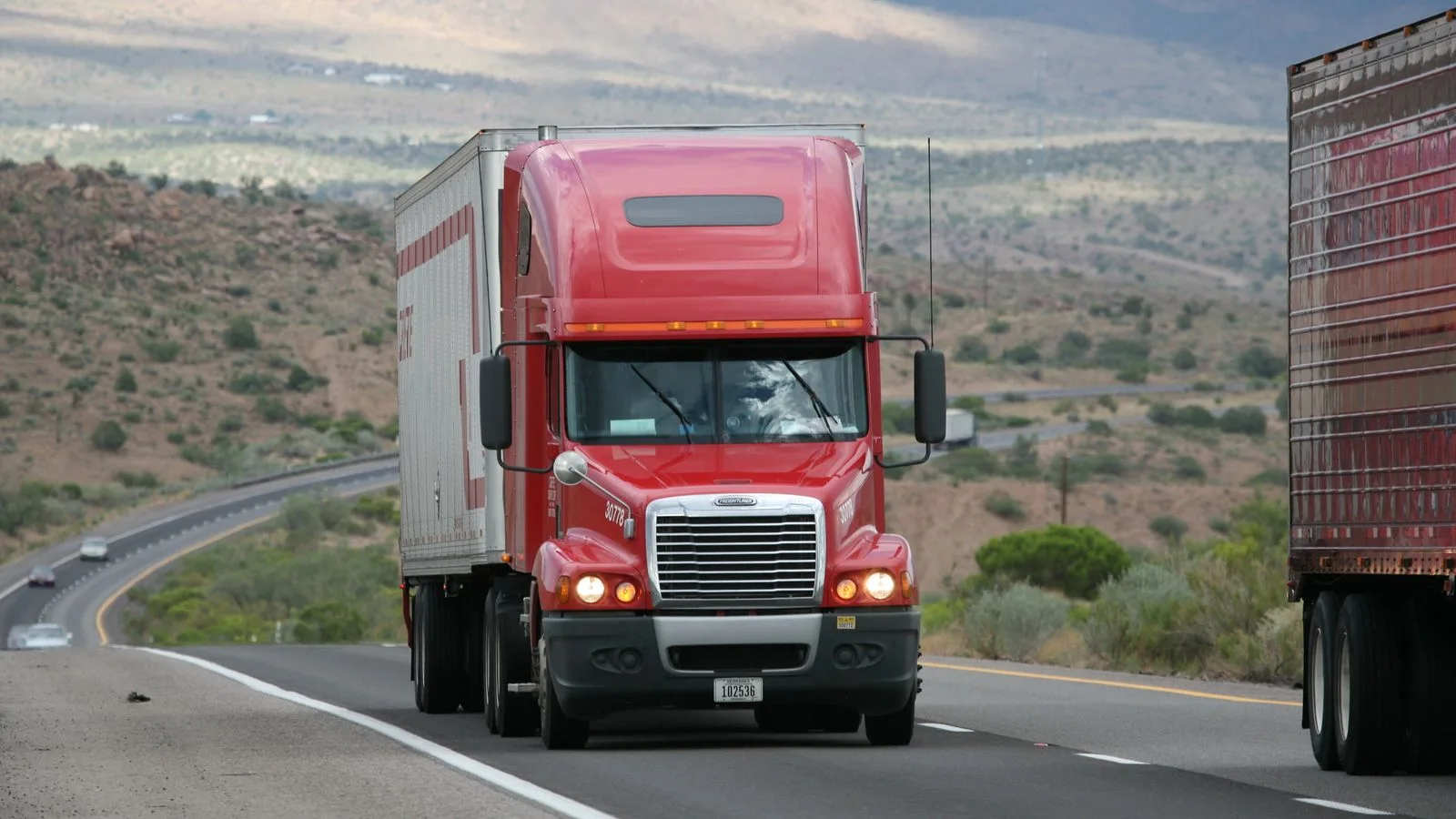
A commercial truck crash case in Midland involves a collision with an FMCSA-regulated motor carrier vehicle: water haulers, frac-sand pneumatics, crude tankers, or 18-wheelers running the I-20 freight corridor between Midland and Stanton or east toward Odessa. Unlike an ordinary car wreck, the case is built on federal records: ELD hours-of-service logs, ECM data, and driver qualification files that begin to cycle off within weeks of the crash. Texas law lets an injured person sue both the driver and the motor carrier directly, and the two-year filing deadline under Tex. Civ. Prac. & Rem. Code § 16.003 is far less urgent than the evidence-preservation window.
Why Midland cases are different
Midland sits at the white-collar center of the Permian Basin, and its truck docket reflects it: I-20 long-haul freight between Midland, Odessa, and Stanton, plus the water haulers, sand pneumatics, crude tankers, and crew transports feeding pad sites toward Garden City and Lamesa. Nearly all of it is federally regulated.
Why oilfield truck cases are federal cases
Most of the heavy trucks in Midland files are commercial motor vehicles subject to the Federal Motor Carrier Safety Regulations at 49 C.F.R. Parts 350-399, and that changes everything about how the case is built. The driver's hours-of-service log under Part 395, the carrier's driver qualification file under Part 391, and post-crash drug and alcohol testing under Part 382 are all federally mandated records that have to be preserved before the carrier's normal retention windows cycle them out. The tractor itself goes back into service within days, and any ECM data not locked down is at risk. After a serious I-20 or rural-highway crash, the decisive move is a spoliation letter inside the first two weeks covering the ECM, the ELD records for the prior fourteen days, dispatch communications, fuel and toll receipts, the driver qualification file, and any post-crash testing. A fatigue picture frequently emerges once those logs are read against the duty-cycle rules.
Carrier liability, higher limits, and venue choices
Texas allows direct negligence claims against the motor carrier — negligent hiring, training, supervision, retention, and entrustment — that can survive even when the carrier admits respondeat superior, particularly when gross negligence is in play. That matters because the carrier, not just the driver, is on the hook, and commercial operations typically carry far higher policy limits than a personal Texas auto policy, often with a primary layer and excess coverage stacked behind it. Many basin trucking defendants are headquartered in Houston, Dallas, or out of state, which opens alternative venue analyses under Tex. Civ. Prac. & Rem. Code section 15.002 even when the crash happened in Midland County. Venue materially affects jury composition, settlement value, and trial timing. Midland County juries are accustomed to oilfield fact patterns, which cuts both ways depending on the case, so we evaluate the venue picture before suit is filed rather than after.
More in Midland
Other ways we help Midland injury victims.





Frequently asked
Midland truck accident questions
- Yes, significantly. Most oilfield trucks — water haulers, sand pneumatics, crude tankers, crew transports — are commercial motor vehicles subject to the Federal Motor Carrier Safety Regulations. That means federally mandated hours-of-service logs, ELD data, driver qualification files, and post-crash testing. It also means the motor carrier, not just the driver, is liable under respondeat superior and direct negligence theories, and the carrier's limits are typically far higher than a personal policy.
- Faster than after an ordinary wreck. The two-year limitations period under Tex. Civ. Prac. & Rem. Code section 16.003 governs the filing deadline, but the critical evidence cycles out long before that. ELD logs, fuel and toll records, and dispatch telematics roll off on the carrier's normal retention schedules within months, the tractor returns to service within days, and the carrier's rapid-response investigators are often working the scene before you leave the ER. Calling counsel within the first week is the practical floor.
- Usually both. The driver is liable for the crash, and the carrier is liable through respondeat superior because the driver was working. Texas also allows direct claims against the carrier for negligent hiring, training, supervision, retention, and entrustment, which can survive even after the carrier admits responsibility for the driver when gross negligence is alleged. The driver qualification file often supplies the proof, which is one more reason to preserve it early.
- Federal regulations under 49 C.F.R. Part 395 limit how long a commercial truck driver can be on duty before a mandatory rest break, generally eleven driving hours within a fourteen-hour on-duty window. A driver who exceeded those limits and then caused a crash has committed an independent federal violation that supports a gross-negligence argument. We pull the ELD logs for the fourteen days before the crash to map the driver's duty cycle and compare it against the regulatory limits.
- Not necessarily. A crash on SH-158 in Midland County is still within the jurisdiction of Midland County district court. Under Tex. Civ. Prac. & Rem. Code § 15.002, venue is proper where a substantial part of the events occurred, which covers rural crashes anywhere in the county. If the commercial defendant is headquartered in another county or out of state, alternative venues may be available that affect settlement value and trial dynamics.
- The driver is liable for the negligent act: speeding, running a signal, driving fatigued. The motor carrier is liable through respondeat superior for that driver's conduct, and independently liable for any failure in hiring, training, supervising, or retaining the driver. Those direct-negligence claims against the carrier can survive even if the carrier concedes respondeat superior, and they matter because gross negligence can unlock exemplary damages under Tex. Civ. Prac. & Rem. Code § 41.003. In Permian Basin cases, the carrier's own conduct — a known history of HOS violations, a qualification file with gaps — is often the most important part of the case.
Where we work from
Downtown Austin. Midland clients welcome.
Our office is in downtown Austin; we represent Midland-area clients statewide and travel to Midland for case-specific needs (scene visits, medical-records consultations, court appearances). Home and hospital visits when injuries make travel difficult.
Talk to a Midland truck accident lawyer.
Free case review, no obligation. We'll tell you straight whether we can help.