
Spring · Pedestrian Accident
Spring Pedestrian Accident Lawyer
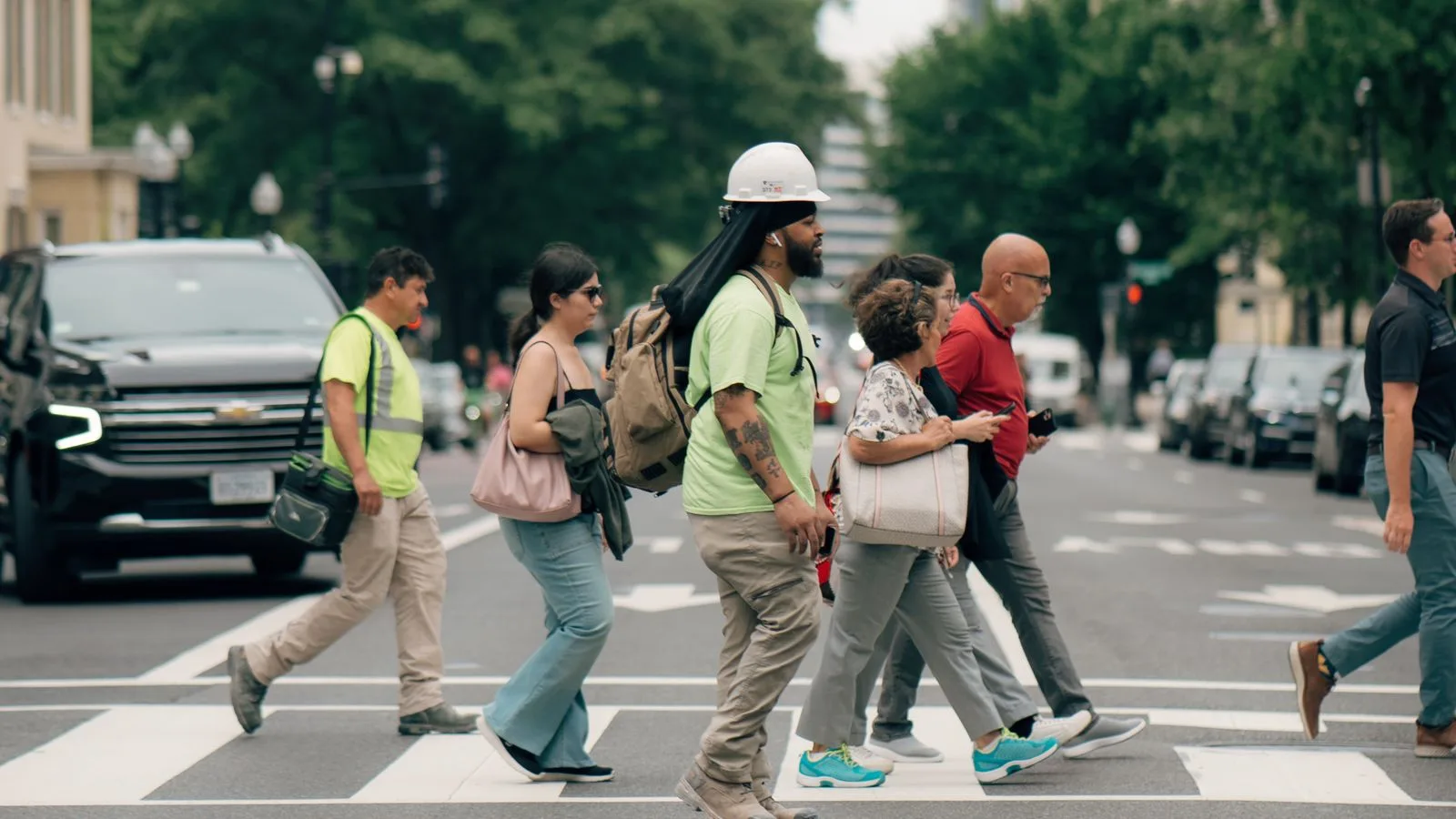
A pedestrian or bicycle accident claim in Spring arises when a motor vehicle strikes a person on foot or on a bicycle at one of the community's intersections or arterials, most often along FM-2920, Louetta, Spring Cypress, or the residential streets feeding into the I-45 corridor. Under Tex. Transp. Code Ch. 552, drivers must yield to pedestrians in crosswalks, and a cyclist operating on a public road has the same rights and duties as a motor-vehicle driver under § 551.101. Because the person struck has no vehicle protection, injuries are typically severe even at moderate speeds, and the harm to children can be permanent. The two-year limitations deadline under § 16.003 applies, with shorter Tort Claims Act notice windows if a governmental entity owns a defective crosswalk or signal.
Why Spring cases are different
Pedestrians and cyclists in Spring move through a landscape built for cars, where FM-2920, Louetta, Spring Cypress, and Cypresswood carry residential and school traffic onto fast arterials. School-zone overlap with Klein and Spring ISD during morning rush puts the most vulnerable users in the path of inattentive drivers.
Crosswalks, right-of-way, and inattentive drivers at Spring intersections
A walker or rider has the right of way in a marked crosswalk and at many unmarked intersection crossings, but that right means little when a driver is distracted, turning, or looking only for other cars. The recurring danger points in Spring are the FM-2920 intersections at Kuykendahl, Stuebner Airline, and I-45, where heavy arterial traffic meets crossing pedestrians and cyclists, and the residential feeders like Louetta, Spring Cypress, and Cypresswood that funnel foot and bike traffic toward those signals. Right-turning drivers who watch for a gap in vehicle traffic and roll through a crosswalk are a frequent cause of these crashes. Establishing who had the right of way at the moment of impact is the heart of the liability case, and it often turns on signal phase, crosswalk markings, and the driver's line of sight, which we document from the scene and any available signal-timing records.
School-zone hours, severe injuries, and the morning-rush overlap
Spring's morning commute overlaps heavily with Klein ISD and Spring ISD school-zone hours along FM-2920, Louetta, and Spring Cypress, which means lower posted speeds and active flasher signals exactly when foot and bike traffic peaks near campuses. Speeding into a posted school zone can support a negligence per se theory under Texas law, and that can shift the comparative-fault analysis decisively when a child or pedestrian is struck. Because a person on foot or a bicycle has no protection, even a low-speed strike can cause fractures, internal injuries, or head trauma, and high-speed arterial impacts are often catastrophic. Serious cases route to the north Houston trauma network, with the most severe transferring to Memorial Hermann-TMC. When timing matters, we pull the school-zone signage and flasher activation records to establish the posted limit and the driver's duty at the moment of the crash.



Frequently asked
Spring pedestrian accident questions
- A pedestrian in a marked crosswalk generally has the right of way, and a driver who turns into that crosswalk without yielding is likely negligent. Right-turning drivers watching only for vehicle gaps are a common cause of these crashes. Texas still applies proportionate responsibility, so we document the signal phase, crosswalk markings, and the driver's view to keep fault where it belongs.
- Yes. Spring's morning commute overlaps Klein and Spring ISD school-zone hours along FM-2920, Louetta, and Spring Cypress, where speed limits drop and flashers run. Speeding into a posted, active school zone can support a negligence per se theory under Texas law, which can strongly favor your case. We pull signage and flasher activation records to establish the posted limit and the driver's duty at the time.
- They are often severe because there is no vehicle protection. Even a low-speed strike can break bones or cause internal and head injuries, and arterial-speed impacts can be catastrophic. Patients route to the north Houston trauma network, with the most serious cases transferring to Memorial Hermann-TMC. Prompt follow-up care matters because some injuries are not fully documented at the first ER visit.
- Yes. Under Tex. Transp. Code § 551.101, a bicyclist operating on a public road has the same rights and duties as a motor-vehicle driver. A driver who fails to yield to a cyclist or crosses a marked bike lane without checking is legally at fault in the same way they would be if they hit another car. That statutory right of way is the foundation of the liability case.
- If a governmental entity — Harris County, Montgomery County, TxDOT, or Klein or Spring ISD — is responsible for the roadway or signal condition, the Texas Tort Claims Act applies. That means a pre-suit notice must be filed within six months of the incident, well before the two-year limitations period runs. Missing that notice deadline can bar the claim against the government entirely, so contacting an attorney promptly is critical.
- Likely yes. Under Tex. Transp. Code § 552.005, a pedestrian crossing outside a marked crosswalk must yield to vehicles, but Texas Chapter 33 still permits recovery if the pedestrian's share of fault is 50 percent or less. The driver's speed, whether they had time to react, and road conditions are all part of the fault analysis. Children are given special consideration; very young children cannot legally be assigned negligence under Texas law.
Where we work from
Downtown Austin. Spring clients welcome.
Our office is in downtown Austin; we represent Spring-area clients statewide and travel to Spring for case-specific needs (scene visits, medical-records consultations, court appearances). Home and hospital visits when injuries make travel difficult.
Talk to a Spring pedestrian accident lawyer.
Free case review, no obligation. We'll tell you straight whether we can help.