
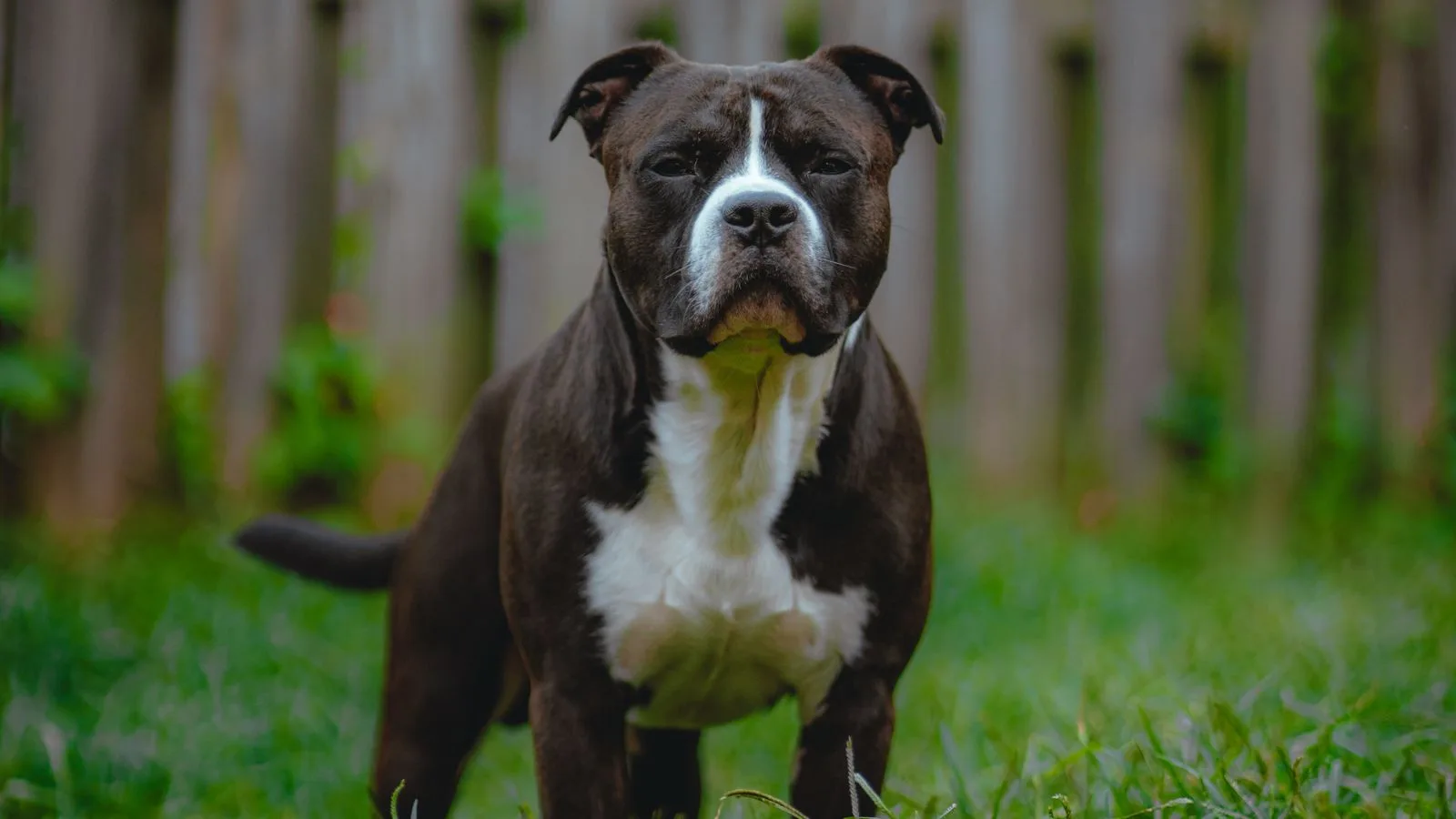
Sugar Land · Dog Bite
Sugar Land Dog Bite Lawyer
A dog-bite or animal-attack claim in Sugar Land arises when a dog or other animal injures a person, typically at a residence, apartment complex, park, or common area within one of the city's master-planned communities. Texas law holds an owner liable under the Marshall v. Ranne standard — strict liability when the owner knew of dangerous propensities — or under ordinary negligence when an owner violated a leash ordinance or failed to secure an enclosure. The two-year statute under § 16.003 governs, though claims by minor victims toll until age 18. Sugar Land's dense residential neighborhoods — First Colony, Sugar Creek, New Territory, Telfair, and Riverstone — generate conditions where dogs and pedestrian or child foot traffic regularly intersect, making leash-law compliance and prior incident history directly relevant to every case. Cases are filed in Fort Bend County district court in Richmond.
Why Sugar Land cases are different
In Sugar Land's master-planned neighborhoods — First Colony, New Territory, Telfair, Riverstone — dogs and dense residential foot traffic mix on the same sidewalks and trails. Texas dog-bite liability turns on the owner's knowledge and negligence, and serious or facial injuries often reach homeowner insurance coverage.
How Texas decides dog owner liability
Texas does not follow a pure strict-liability rule for dog bites. Recovery generally rests on one of two theories. Under the longstanding 'one-bite' rule, an owner is liable when they knew or had reason to know the dog was dangerous — a prior bite, aggressive lunging, or warnings from neighbors — and failed to control it. Separately, an owner can be liable for ordinary negligence, such as leaving a gate open, violating a Sugar Land leash requirement, or letting a large dog run loose on a neighborhood trail. In the master-planned communities where families walk and children play close to home, these facts come up often. We gather the dog's history, animal-control records, and neighbor accounts early, because establishing the owner's prior knowledge or specific carelessness is what supports the claim under Texas law.
Severe and facial injuries, and the coverage behind them
Dog attacks cause wounds unlike most accident injuries: deep puncture and tearing wounds, crush injuries, infection risk, and facial lacerations that frequently require plastic-surgery repair and leave permanent scarring. Children are bitten on the face and head at higher rates and may face years of revision surgery and lasting emotional trauma. Serious cases route through Memorial Hermann Sugar Land or another local hospital, and the full picture — scar revision needs, infection complications, psychological treatment — develops well after the initial wound care. The financial recovery usually comes through the dog owner's homeowner or renter insurance, which commonly covers dog-bite liability. We identify that policy and document the future medical and cosmetic care a serious bite demands, rather than letting the claim be valued on the emergency-room visit alone.
More in Sugar Land
Other ways we help Sugar Land injury victims.





Frequently asked
Sugar Land dog bite questions
- Possibly. Even without a prior bite, an owner can be liable for negligence: an open gate, a violated leash rule, or failing to restrain a dog that posed an obvious risk. The 'one-bite' rule is only one path to recovery. We examine the owner's conduct and any local ordinance violations, not just the dog's history.
- Most often the dog owner's homeowner or renter insurance, which commonly includes dog-bite liability coverage. That is usually the practical source of recovery rather than the owner personally. We identify the applicable policy and document the full course of care, including scar revision and any psychological treatment, especially for child victims.
- Facial wounds in children often require plastic-surgery repair and later revision surgeries as the child grows, plus treatment for emotional trauma. The value of these claims depends on documenting future care, not just the initial wound treatment. We work with treating physicians to project that future medical picture before any settlement is considered.
- Fort Bend County animal-control records are obtainable through the county and can document prior complaints, bites, or dangerous-dog declarations. City of Sugar Land animal-services records may also be relevant depending on where the incident occurred. We pull both as a standard step in opening a dog-bite file, because prior incident history is often the key fact that unlocks the strict-liability theory.
- An apartment complex or HOA that had actual knowledge of a dangerous dog on the property and the legal ability to remove or evict the animal but failed to act can bear liability alongside the individual owner, under the Tellez v. Saban standard recognized in Texas. The complex's commercial general liability policy may then be an additional source of recovery, separate from the tenant's renter insurance.
- Texas Health and Safety Code Ch. 826 requires a dog that bites a person to be quarantined and the incident reported; medical providers typically initiate that report. The legal deadline for filing a personal injury claim is two years from the date of the bite under § 16.003, though for minor victims the deadline tolls until age 18. A governmental entity is involved only if a county- or city-owned animal or facility is at issue, which would trigger the shorter Tort Claims Act notice deadlines.
Where we work from
Downtown Austin. Sugar Land clients welcome.
Our office is in downtown Austin; we represent Sugar Land-area clients statewide and travel to Sugar Land for case-specific needs (scene visits, medical-records consultations, court appearances). Home and hospital visits when injuries make travel difficult.
Talk to a Sugar Land dog bite lawyer.
Free case review, no obligation. We'll tell you straight whether we can help.