
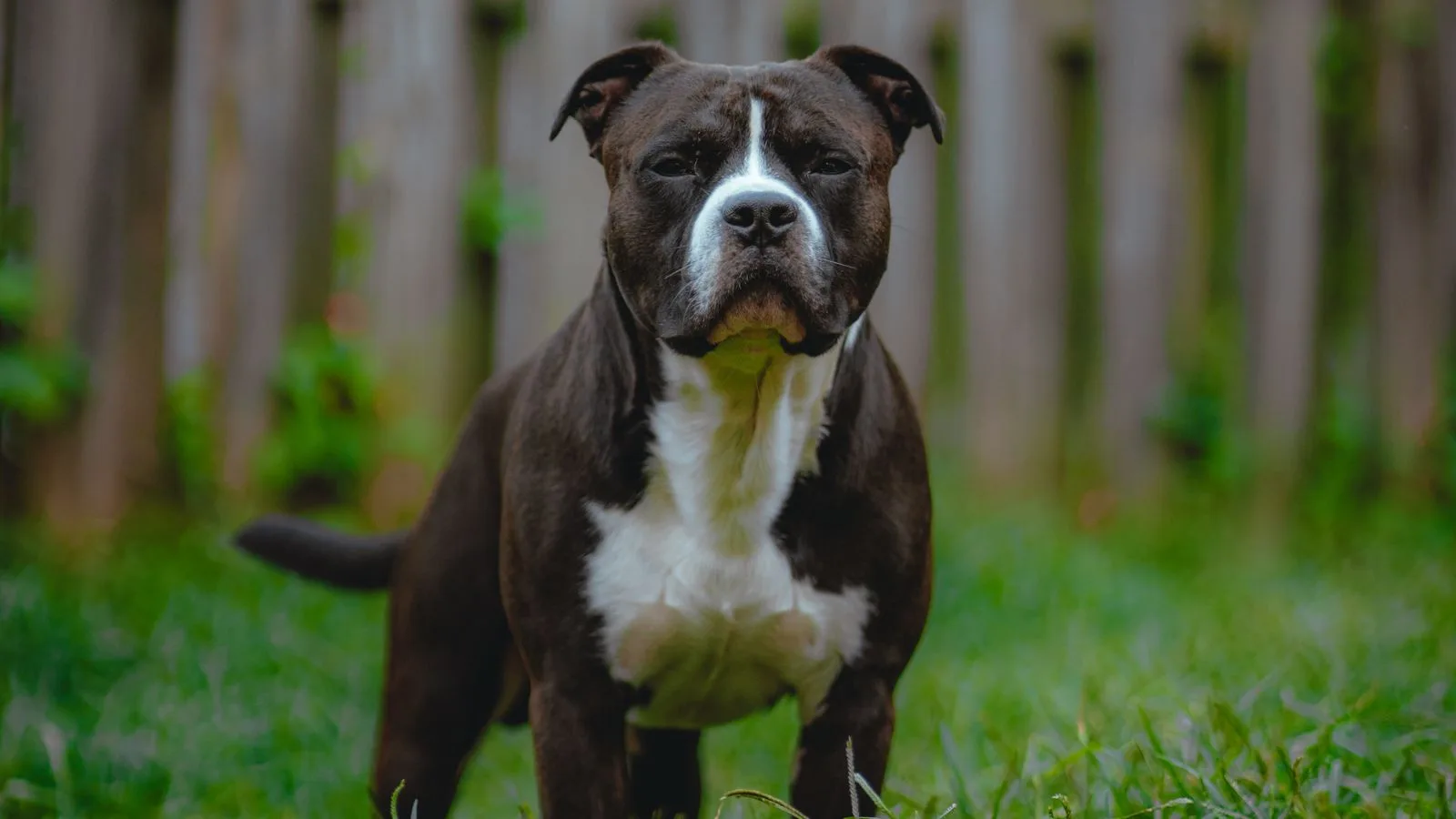
The Colony · Dog Bite
The Colony Dog Bite Lawyer
A dog bite or animal attack claim in The Colony is a Texas case built on the principle that an owner who knew or had reason to know their dog had dangerous propensities can be held strictly liable under the Marshall v. Ranne standard, with negligence as an alternative track when the owner violated a leash ordinance or failed to exercise reasonable control. Denton County is the filing venue, and the two-year statute under Tex. Civ. Prac. & Rem. Code § 16.003 applies, though for minor victims the clock does not begin to run until the child turns 18. Attacks at residential properties along FM-423, the lakefront paths near Lewisville Lake, and the common areas of apartment complexes in the city's residential core are the most common fact patterns.
Why The Colony cases are different
Dog-bite claims in The Colony arise across the city's residential core along FM-423 and at the parks and lakefront gathering spots near Lewisville Lake, where leashed and unleashed dogs mix with families. Texas owner liability turns on what the owner knew about the animal, and the recovery usually runs through homeowner coverage.
Texas owner liability: the 'one-bite' rule and negligence
Texas has no broad strict-liability dog-bite statute; instead, recovery typically rests on two tracks. The first is the common-law 'one-bite' rule: an owner is liable if they knew or should have known the dog had dangerous propensities, shown by a prior bite, aggressive lunging, or warnings the owner ignored. The second is ordinary negligence: an owner who violates a local leash requirement or fails to restrain a dog they should have controlled can be liable even without prior-bite knowledge, particularly where The Colony's leash rules govern a park, sidewalk, or the lakefront paths. We develop the owner's knowledge through prior-incident reports, animal-control records, neighbor accounts, and veterinary history, because proving what the owner knew, or recklessly ignored, is the heart of the case.
Severe and facial injuries, children, and homeowner coverage
Dog bites cause disproportionately severe wounds: deep puncture, crush, and avulsion injuries, with facial wounds and scarring especially common in children, whose height puts them at face level. These injuries frequently require plastic-surgery repair and leave permanent disfigurement, and the future-care and scarring components often dwarf the initial ER bill. The recovery source is usually the dog owner's homeowner or renter liability policy, which commonly covers dog-bite claims subject to exclusions for certain breeds or for prior-bite dogs already on notice. We identify the applicable policy early, document the full injury and any anticipated revision surgeries, and account for the disfigurement and psychological impact that Texas law allows a child or adult to recover, rather than settling on the acute-treatment cost alone.
More in The Colony
Other ways we help The Colony injury victims.




Frequently asked
The Colony dog bite questions
- Not automatically. Texas uses the 'one-bite' rule plus negligence rather than blanket strict liability. You generally must show the owner knew or should have known the dog was dangerous, or that the owner was negligent, for instance, by violating a leash rule. Prior-incident reports, animal-control records, and witness accounts establish what the owner knew, which is the core of proving the claim.
- Usually the owner's homeowner or renter insurance, which commonly covers dog-bite liability. Some policies exclude certain breeds or a dog already known to have bitten, in which case other sources may apply. We identify the applicable coverage early. Pursuing the policy rather than the owner's personal assets is generally how serious bite injuries get fully compensated.
- Texas allows recovery for past and future medical care, including anticipated plastic-surgery revisions, plus disfigurement, physical pain, and mental anguish — components that often exceed the initial ER cost. Children's facial scars frequently require staged surgeries into adulthood. We document the full future-care picture rather than accepting a settlement built only on the first round of treatment.
- It establishes what the owner knew before the attack. A complaint on file showing the dog previously lunged at, chased, or threatened people is direct evidence that the owner was on notice of dangerous propensities, which is the core requirement under the Texas one-bite rule. We request those records from Denton County early in every bite case, because they are the most direct proof of owner knowledge available.
- A landlord or apartment management company can share liability when they had actual knowledge that a tenant's dog had dangerous propensities and had the legal ability to remove the animal but failed to act. Texas courts have recognized this theory under Tellez v. Saban. We look at any prior complaints, lease provisions about animals, and management communications when evaluating whether the complex shares responsibility alongside the tenant-owner.
- Two years from the date of the attack under Tex. Civ. Prac. & Rem. Code § 16.003. For a minor victim, the statute is tolled until the child reaches age 18; the two-year window opens on their 18th birthday. If a government entity is somehow involved — a city animal-control vehicle caused an injury, for example — the Texas Tort Claims Act's six-month notice requirement applies separately. Most residential and apartment-complex bite cases are governed by the standard two-year deadline.
Where we work from
Downtown Austin. The Colony clients welcome.
Our office is in downtown Austin; we represent The Colony-area clients statewide and travel to The Colony for case-specific needs (scene visits, medical-records consultations, court appearances). Home and hospital visits when injuries make travel difficult.
Talk to a The Colony dog bite lawyer.
Free case review, no obligation. We'll tell you straight whether we can help.