
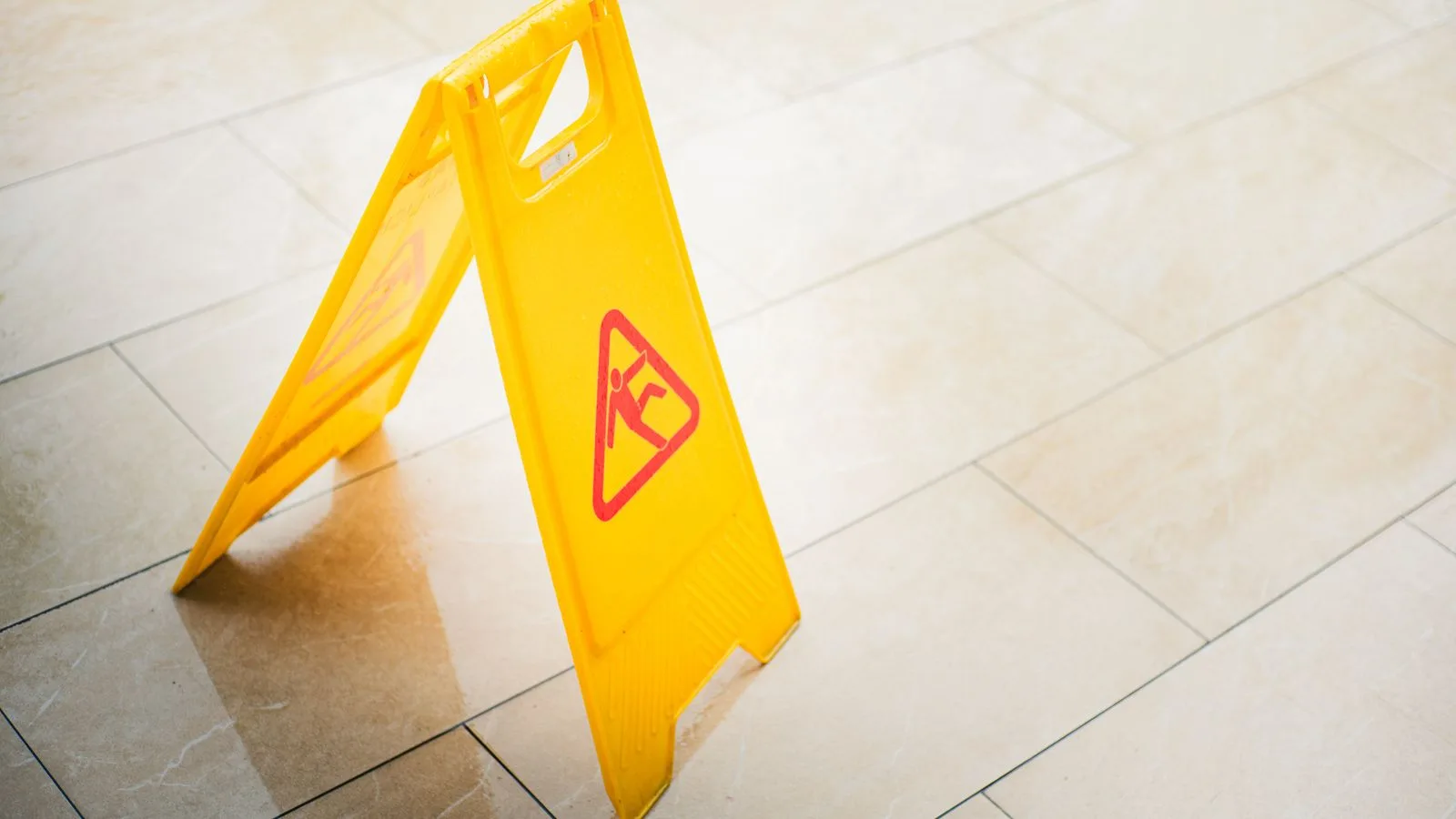
Victoria · Slip & Fall
Victoria Slip & Fall Lawyer
A slip-and-fall or premises liability case in Victoria involves an injury caused by a hazardous condition on someone else's property, whether a retail corridor on North Navarro, an apartment complex, a parking lot near Loop 463, or a government-owned facility. Texas law requires the injured person to show that the property owner or occupier knew about the hazard, created it, or that it existed long enough that a reasonable inspection would have revealed it. The duty owed varies with visitor status, with invitees receiving the highest level of protection. Cases are heard in the Victoria County district courts on North Bridge Street, and the two-year limitations period under Section 16.003 applies, though the practical evidence deadline is much sooner because surveillance video and sweep logs are typically overwritten within days.
Why Victoria cases are different
From the retail and restaurant frontage along North Navarro to the truck stops and service yards that ring Loop 463, Victoria premises cases turn on a single Texas question: did the property owner know, or should it have known, about the hazard in time to fix or warn about it, and did it fail to do so.
Premises liability and the notice requirement
Texas premises law does not make a property owner an insurer of everyone who enters. For an invitee, a customer or business visitor, the owner owes a duty to use reasonable care to protect against dangers it knew about or should have discovered through reasonable inspection. The decisive element is notice: a Victoria plaintiff generally has to show the owner either created the hazard, actually knew about it, or that the condition existed long enough that a reasonable owner would have found it. A spill that was just dropped seconds earlier usually does not meet that bar, while a recurring leak, a poorly maintained parking lot near a Loop 463 truck stop, or a known drainage problem can. This is why timing evidence is everything. We move fast for incident reports, inspection and sweep logs, and surveillance video, because video at Victoria retail and commercial sites is routinely overwritten within days and is often the only proof of how long the hazard sat there.
Comparative fault and the open-and-obvious defense
Victoria premises defendants lean on two arguments, and both are answerable. The first is comparative responsibility under Chapter 33, the claim that the visitor was not watching where he walked; the visitor still recovers if he is fifty percent or less at fault, so the question is the split, not a complete bar. The second is the open-and-obvious doctrine, the argument that the hazard was so apparent the owner owed no duty to warn. That defense has real limits in Texas, particularly where the owner should anticipate harm despite the obvious nature of the condition, and it does not excuse a failure to maintain. We document lighting, floor and surface condition, the presence or absence of warning cones, and footwear and walkway conditions at the specific Victoria location, then tie those facts to the owner's own maintenance policies. Like every Texas injury claim, a premises case carries the two-year limitations period under Section 16.003, but practical evidence preservation is the real clock.
More in Victoria
Other ways we help Victoria injury victims.



Frequently asked
Victoria slip & fall questions
- No. Texas requires proof that the owner created the hazard, actually knew about it, or that it existed long enough that a reasonable owner should have found and addressed it. That notice element is the heart of the case, which is why incident reports, inspection logs, and especially surveillance video, often overwritten within days, are so important to secure quickly.
- Not necessarily. The open-and-obvious doctrine can limit an owner's duty to warn, but it has exceptions in Texas, especially where the owner should expect a visitor to be harmed anyway, and it does not excuse a failure to maintain the property. We document the lighting, surface, and warnings at the actual location to test whether the defense really applies.
- Two years from the date of the fall under Tex. Civ. Prac. & Rem. Code Section 16.003, the same statewide deadline that applies to most Texas injury claims. The practical deadline is much shorter, though, because the surveillance video and sweep logs that prove how long the hazard existed are frequently destroyed within days or weeks of the incident.
- Yes. Apartment common areas such as stairwells, walkways, and parking lots are subject to the same premises-liability framework in Texas. The landlord owes a duty of reasonable care to residents and guests as invitees, and the same constructive-notice analysis applies. We look for prior maintenance complaints, repair records, and inspection logs to establish that the dangerous condition was known or should have been discovered.
- Claims against the City of Victoria or other governmental entities are subject to the Texas Tort Claims Act, which imposes damage caps and, critically, requires pre-suit notice within six months of the incident and sometimes sooner under local charters. Missing that notice deadline can bar the claim entirely, so contacting counsel immediately after a fall on government property is essential.
- Probably, depending on the fault split. Under Chapter 33, a Victoria plaintiff who is fifty percent or less at fault can still recover damages reduced by their percentage of responsibility. The defense will try to push your fault percentage above fifty percent; we counter by documenting the property condition, lighting, absence of warnings, and the owner's inspection failures to show the premises were the primary cause.
Where we work from
Downtown Austin. Victoria clients welcome.
Our office is in downtown Austin; we represent Victoria-area clients statewide and travel to Victoria for case-specific needs (scene visits, medical-records consultations, court appearances). Home and hospital visits when injuries make travel difficult.
Talk to a Victoria slip & fall lawyer.
Free case review, no obligation. We'll tell you straight whether we can help.