
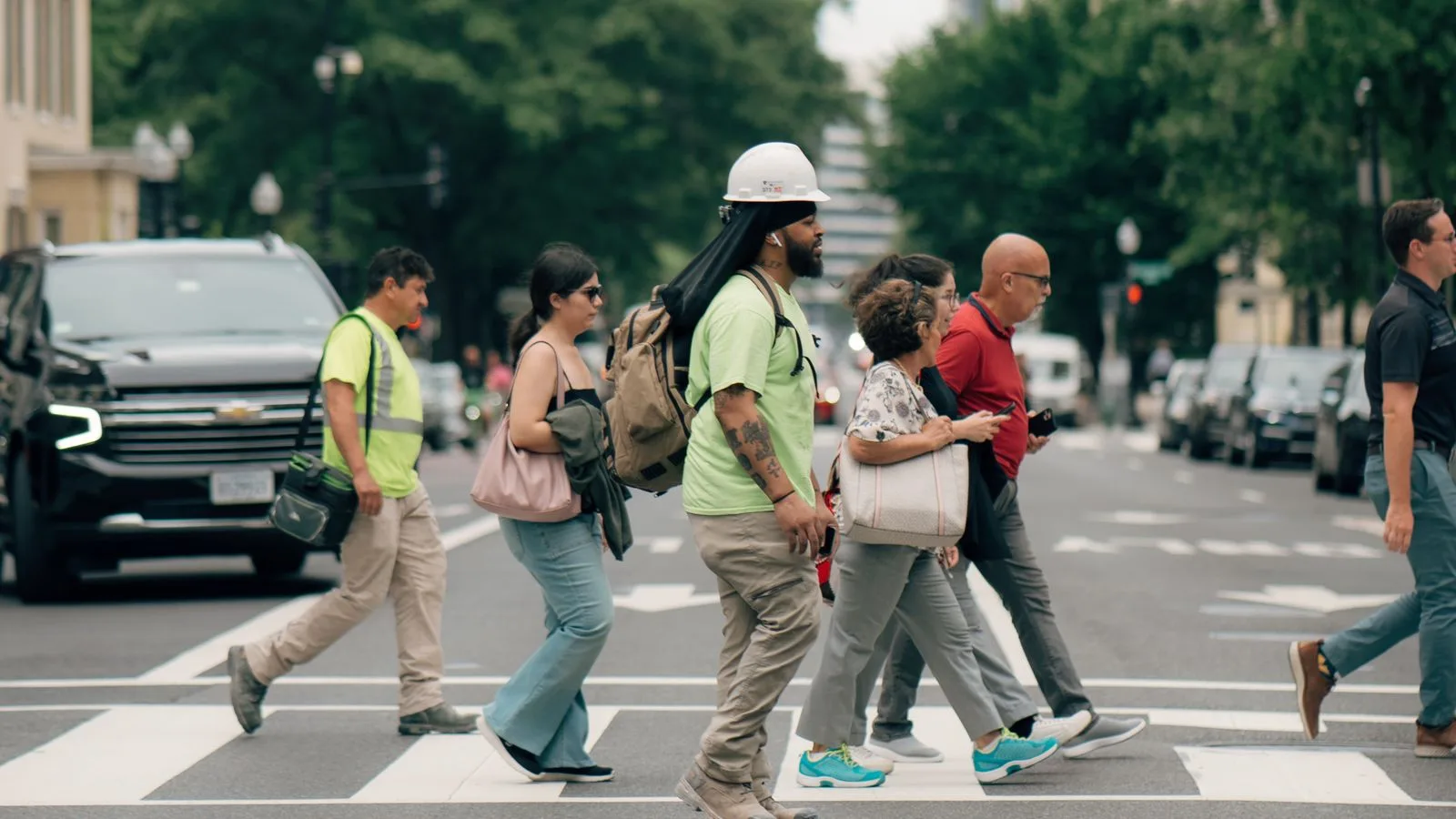
Waco · Pedestrian Accident
Waco Pedestrian Accident Lawyer
Pedestrian and bicycle accident claims in Waco arise when a motor vehicle strikes a person on foot or a cyclist, governed by driver duties under Texas Transportation Code Chapter 552 for pedestrians and the cyclist-as-vehicle rules of Tex. Transp. Code § 551.101. The tourist concentration in the 8th Street and Webster Avenue corridor near the Magnolia campus creates a predictable pattern of crosswalk right-of-way failures as drivers navigate weekend parking surges. A pedestrian or cyclist struck in McLennan County files in the district courts on Washington Avenue under the two-year deadline at Tex. Civ. Prac. & Rem. Code § 16.003, with Chapter 33 comparative fault still applying, including partial defenses the driver raises about the victim's own conduct.
Why Waco cases are different
People on foot and on bikes in Waco face their highest exposure in the Silos district downtown, where year-round weekend tourist traffic to Magnolia overwhelms parking around 8th Street and Webster Avenue, and a pedestrian struck by an inattentive or left-turning driver has no protection at all.
Crosswalk right-of-way and driver inattention downtown
Texas law gives a pedestrian the right-of-way in a marked crosswalk and at most intersections and requires drivers to exercise due care to avoid hitting anyone on foot. In Waco the danger concentrates downtown around the Magnolia campus, where weekend tourist surges flood 8th Street and Webster Avenue and create a steady pattern of pedestrian, rideshare, and parking-lot incidents. A driver hunting for a space, turning left across a marked crossing, or distracted by the foot traffic is the typical at-fault scenario. The Baylor campus and the I-35 LaSalle Avenue exits add a second pattern on football Saturdays and graduation weekends. These cases turn on right-of-way and lookout: where the pedestrian was, whether a signal or crosswalk controlled the crossing, and whether the driver had time to react. Waco Police investigate inside city limits, and downtown business, campus, and rideshare cameras may capture the moment, but the retention windows are short.
Severe injuries, the comparative-fault defense, and short camera windows
An unprotected pedestrian or cyclist struck even at moderate speed often suffers fractures, internal injuries, or a traumatic brain injury and is taken to Baylor Scott & White Hillcrest or Ascension Providence on Highway 6, with the most serious cases helicopter-transported to the Level I center in Temple. The recurring defense is comparative fault under Chapter 33: that the person stepped out, crossed against a signal, or wore dark clothing. Because Texas reduces or bars recovery based on the injured person's share of fault, that argument is the battleground in nearly every case. We meet it with the physical evidence: impact location, the vehicle's path, signal timing, and the driver's duty to yield. The catch downtown is timing: Magnolia campus security footage, business cameras, and rideshare telematics all overwrite quickly, so preservation letters in the first two weeks routinely decide whether liability is contested. For cyclists, a bicycle has the rights of a vehicle on the roadway, reframing a 'cyclist was in the road' argument as lawful lane use.




Frequently asked
Waco pedestrian accident questions
- Not automatically, but Texas law gives pedestrians the right-of-way in a marked crosswalk and at most intersections, which puts the burden on the driver to show why they could not yield. The signal, the crosswalk, and where you were when struck are what matter. Camera footage from Magnolia campus security, downtown businesses, or nearby vehicles helps establish you had the right-of-way.
- Often within about two weeks. Downtown business cameras, Magnolia campus security, and rideshare telematics all run on short retention windows, and once footage is overwritten it is gone. A preservation letter sent in the first days of the case is frequently what keeps the liability evidence alive. The sooner counsel is involved, the more of that record survives.
- Yes. Under Texas law a bicycle has the rights and duties of a vehicle on the roadway, so a cyclist riding lawfully in the lane is not 'in the way.' That reframes a common defense argument. The case still turns on who had the right-of-way and whether the driver kept a proper lookout, and your injuries are evaluated like any serious-trauma claim.
- It can help. Game-day Saturdays generate dense camera coverage on the LaSalle Avenue corridor near the I-35 exits: stadium and parking-operation cameras, tailgate venue cameras, and downtown business cameras. Those retention windows are short, but the footage is more abundant than on a normal weekday. It also shows the driver was operating in an area of known high pedestrian volume, which bears on the duty-of-care analysis.
- No, not for the legal case. Ascension Providence on Highway 6 handles a substantial share of Waco's moderate-acuity ER intake, and treatment there is treated the same as Hillcrest for purposes of documenting your injuries. The same issue applies: a fast ER discharge may capture the obvious injury while missing a disc herniation or TBI that surfaces at follow-up imaging. We route clients into appropriate outpatient diagnostics regardless of which facility treated them initially.
- In the McLennan County district courts at the courthouse on Washington Avenue for claims above the justice-court threshold. The two-year limitations deadline at Tex. Civ. Prac. & Rem. Code § 16.003 applies. If the vehicle was operated by a governmental entity — a City of Waco or McLennan County vehicle — the Texas Tort Claims Act requires pre-suit notice within six months, which shortens the practical timeline significantly.
Where we work from
Downtown Austin. Waco clients welcome.
Our office is in downtown Austin; we represent Waco-area clients statewide and travel to Waco for case-specific needs (scene visits, medical-records consultations, court appearances). Home and hospital visits when injuries make travel difficult.
Talk to a Waco pedestrian accident lawyer.
Free case review, no obligation. We'll tell you straight whether we can help.