
Areas served
Bastrop Personal Injury Lawyer
Bastrop is the Bastrop County seat, sitting on SH-71 about thirty miles southeast of downtown Austin and serving as a regional hub for the rural and rapidly suburbanizing area east of the metro. Injury cases out of Bastrop file in Bastrop County district court in downtown Bastrop, applying the standard Tex. Civ. Prac. & Rem. Code § 16.003 two-year limitations and the Texas 51%-bar comparative-fault rule. What makes a Bastrop case distinct from the Travis or Hays County metro is the bench itself: Bastrop County's district courts hear a smaller civil docket with a different rural-and-suburban jury composition than Austin-area courts, and a lawyer who works in front of those judges regularly handles a case meaningfully differently than a downtown Austin firm running Bastrop as remote work.
SH-71, SH-21, and the Bastrop crash corridors
SH-71 through Bastrop is the corridor that drives most of our intake. The four-lane divided segment west of Bastrop toward Austin carries heavy commuter and recreation traffic and produces a consistent rear-end and merge collision pattern, particularly during the morning and afternoon commute windows. The transition to a two-lane configuration east of the city through Smithville and on toward Houston-area destinations changes the road profile and produces a different injury pattern: head-on and cross-centerline crashes on a corridor that carries traffic volumes higher than the alignment supports. SH-21 cutting southwest from Bastrop toward Cedar Creek and the Buc-ee's corridor handles a meaningful share of the regional through-traffic and produces a steady stream of intersection and high-speed rear-end collisions. The various FMs serving the Lost Pines area, Pine Forest, and the surrounding rural-suburban communities (FM-969, FM-1209) carry mixed agricultural and commuter traffic on alignments with limited shoulder space.
Bastrop County district court and the local bench
Bastrop is the Bastrop County seat, and the Bastrop County district courts sit in the historic courthouse in downtown Bastrop. The 21st and 335th civil district courts (with the 21st rotating with adjacent counties in the same district) hear personal injury matters, and assignment is by docket draw. Tex. Civ. Prac. & Rem. Code § 15.002 makes venue proper where the events occurred or where the defendant resides, both of which usually point to Bastrop County for a Bastrop case. The Bastrop bench tends to manage civil dockets differently than the high-volume Travis and Hays courts: fewer specialized civil judges, smaller case inventories, and a different rhythm on motion practice and trial settings. A lawyer who works in front of these judges regularly knows what to expect on case timing and how to position a file for settlement or trial accordingly.
Local hospitals and the Bastrop medical-transport pattern
Ascension Seton Bastrop on SH-71 is the primary hospital for the city and the typical destination for moderate-acuity crashes in the area. The facility provides emergency, inpatient, and basic surgical care but routes higher-acuity trauma and complex orthopedic and neurological cases west to Dell Seton Medical Center at UT in downtown Austin, the regional Level I center. EMS air transport from rural Bastrop County or from the Smithville and Lost Pines area can run thirty minutes or more depending on weather and dispatch, a longer time-to-treatment than almost any other city in the Austin metro. The medical-chronology problem we see across Bastrop files is consistent with the rest of the metro but compounded by the transport-time issue: the discharge documentation from a rural Bastrop ER may understate the actual injury picture, and the follow-up care often happens at central Austin facilities that the local insurer may treat as a gap in care.
Buc-ee's, Pine Forest, and the Bastrop seasonal patterns
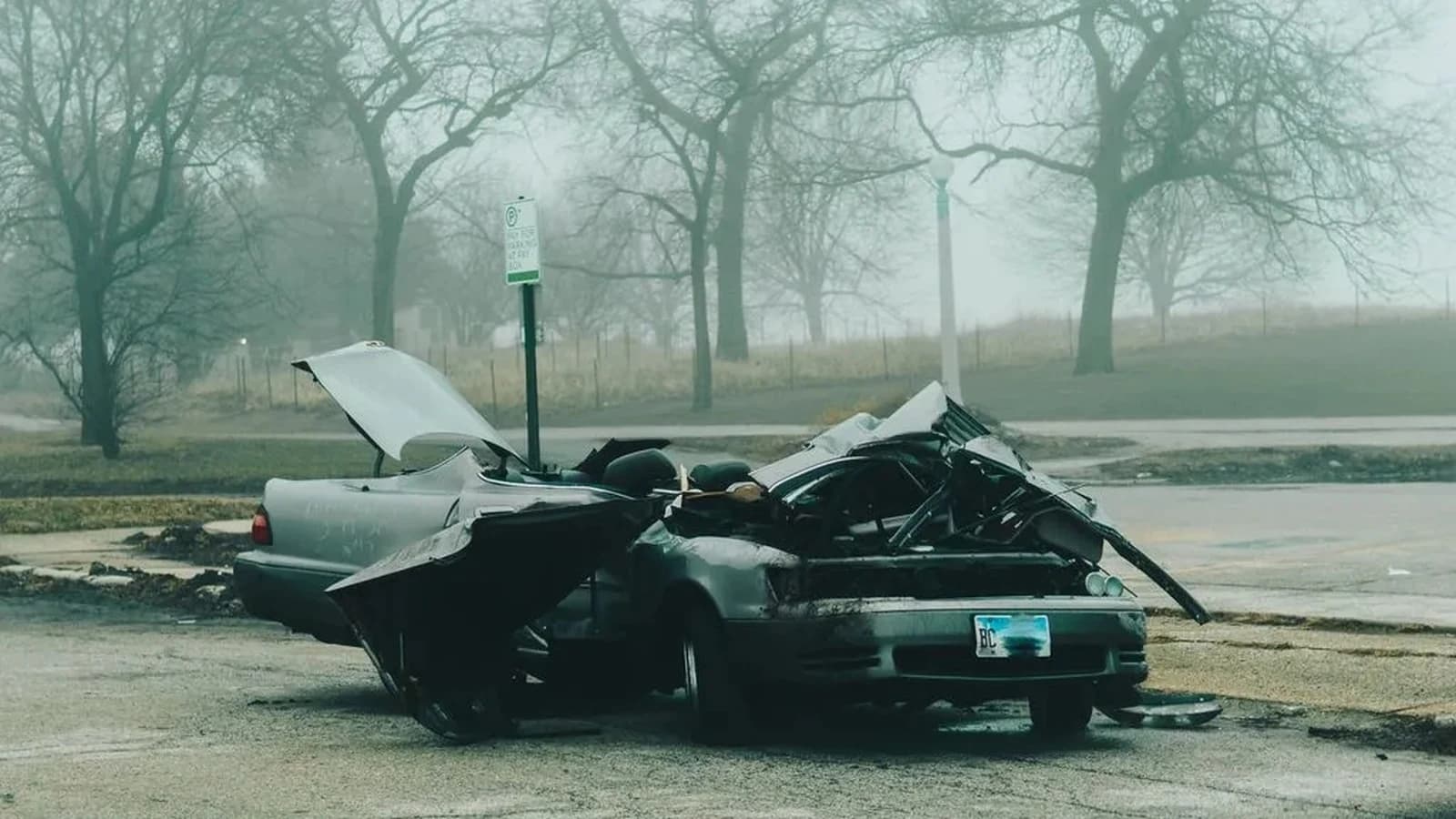
Bastrop's traffic profile reflects its role as a regional crossroads. The Buc-ee's on SH-71 west of Bastrop is one of the busiest in the chain and produces a consistent SH-71 access-and-exit collision pattern, particularly during weekend and holiday-travel volumes. The Bastrop State Park and Lost Pines recreation area generates weekend tourism volume on SH-21 and the surrounding FMs. The 2011 Bastrop wildfires reshaped the regional development pattern, and ongoing rebuilding and new construction along the Pine Forest corridor have produced increased commercial-vehicle and contractor traffic on the surrounding county roads. SH-71 east toward Houston carries a meaningful share of regional commercial truck traffic, and truck-involved crashes on the two-lane segments east of Bastrop are a recurring source of serious-injury intake. The fall and winter months add fog and reduced-visibility patterns on the rural stretches.
Bastrop practice areas
How we help Bastrop injury victims.





Frequently asked
Questions Texas accident victims ask us
- Bastrop is the Bastrop County seat, so your case files in the Bastrop County district courts in the historic courthouse downtown. The 21st and 335th civil district courts hear personal injury matters, with the 21st rotating across adjacent counties in the same district. Assignment is by docket draw. The Bastrop bench manages civil dockets at a different rhythm than the high-volume Travis and Hays County courts, which matters for case timing and trial-setting strategy.
- Yes, in important ways. The jury pool is different: more rural and suburban than the urban Travis County composition, with documented differences on pain-and-suffering valuation patterns. The bench is different: fewer specialized civil judges and a different motion-practice rhythm. The defense bar is different: a smaller community of lawyers who see each other repeatedly on cases. A lawyer who works in front of the Bastrop County judges regularly handles a file meaningfully differently than a downtown Austin firm running Bastrop as remote work.
- Ascension Seton Bastrop on SH-71 is the city's primary hospital and the typical destination for moderate-acuity crashes. Serious trauma is frequently transferred to Dell Seton Medical Center at UT in downtown Austin, the regional Level I trauma center, either by ground or by air depending on acuity and weather. The transport-time differential matters in Bastrop cases more than in the closer-in metro and affects both initial outcomes and the medical-chronology presentation.
- It can affect both the liability picture and the available evidence. Holiday-weekend volumes at the SH-71 Buc-ee's produce documented queue-and-merge patterns that change the duty-of-care analysis on rear-end crashes: a driver who fails to anticipate stop-and-go traffic at a known high-volume access point has a harder negligence defense than one who hits a vehicle stopped without warning. Buc-ee's maintains extensive exterior surveillance, but retention windows are short, so preservation letters need to go out promptly.
- The two-year limitations period under Tex. Civ. Prac. & Rem. Code § 16.003 is the outside deadline, but Bastrop County cases have specific timing pressures that compress the working window. Wildfire-rebuild contractor defendants frequently dissolve or change ownership inside two years, which can complicate service of process. SH-71 commercial truck records under federal hours-of-service rules are only required to be retained for six months. Governmental defendants (the City of Bastrop, the County, TxDOT) trigger a six-month notice under the Texas Tort Claims Act. Counsel should be retained within the first thirty to sixty days for any serious Bastrop injury.
- Yes, substantially. Commercial truck crashes on the two-lane SH-71 segments east of Bastrop tend to be high-energy because of the speed profile and the limited maneuvering space. Federal Motor Carrier Safety Regulations apply: hours-of-service limits, electronic logging device requirements, vehicle inspection and maintenance records, driver medical certification. Violations support negligence-per-se theories under Texas law. The trucking company's commercial auto policy typically carries limits an order of magnitude above a personal Texas policy, and the trucking company's defense response is fast and aggressive, which means plaintiff-side preservation has to be equally fast.
- Venue follows the crash location, not your home address. SH-71 crosses the Travis-Bastrop county line in the western Bastrop County area; a crash west of the line is a Travis County case, a crash east is Bastrop County. We map the crash coordinates against the boundary at intake because the choice between Travis and Bastrop juries can materially change settlement value on the same fact pattern. Many Bastrop residents commuting daily produce crashes that split between the two counties depending on the specific milepost.
- Bastrop cases require working a different bench, a different defense bar, and a different jury pool than the rest of the Austin metro, and the trauma-transport problem changes the medical-chronology playbook in ways that high-volume Austin firms rarely understand. The TV firms run Bastrop files as a remote-east pipeline matter and rarely give them the local attention they require. Cap City keeps a small enough docket that the attorney on your file is the one who works the Bastrop County bench, knows the Ascension Seton Bastrop and Dell Seton chronology, and understands the SH-71 and SH-21 corridor geometry.
Let's talk about your case.
Free case review, no obligation. We'll tell you straight whether we can help.