
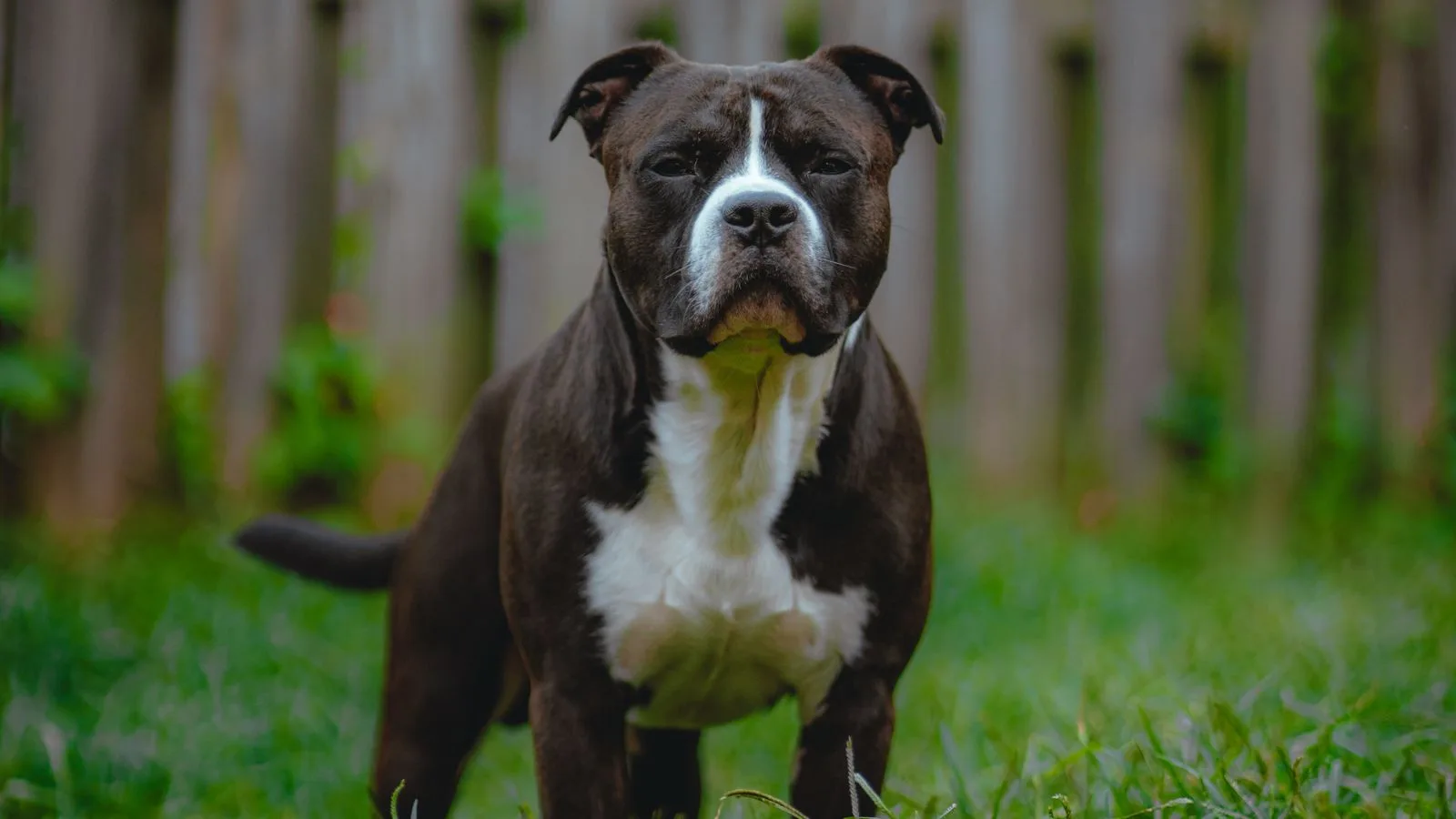
Bastrop · Dog Bite
Bastrop Dog Bite Lawyer
A dog-bite claim in Bastrop County sits at the intersection of two Texas legal theories: the common-law rule that holds an owner liable when they knew or had reason to know their dog had dangerous tendencies (the so-called one-bite rule under Marshall v. Ranne), and ordinary negligence for failing to control or confine a dog regardless of its prior history. In the rapidly growing residential communities of Pine Forest and the Lost Pines area — where rural lot sizes, roaming dogs, and rising population density increasingly coexist — the negligence path is often the more direct route. The two-year limitations period under Tex. Civ. Prac. & Rem. Code § 16.003 applies, though it is tolled for injured children until they turn eighteen.
Why Bastrop cases are different
Dog-bite intake in the Bastrop area spans the rural and rapidly suburbanizing communities around Pine Forest and Lost Pines, where larger lots, livestock-guarding dogs, and growing residential density meet. Texas owner-liability rules and homeowner coverage shape how these severe-injury cases resolve.
Texas owner liability and the negligence path
Texas does not have a strict one-bite statute, so a dog-bite claim usually runs on two tracks. The first is the common-law theory often called the one-bite rule: an owner who knew or should have known the dog had dangerous propensities, from a prior bite or aggressive behavior, can be held liable for injuries the animal then causes. The second is ordinary negligence, where an owner is responsible for failing to use reasonable care to control or restrain the animal, such as letting a dog run loose or failing to secure a gate. In Bastrop County's rural and suburbanizing communities, where larger properties and roaming dogs are common and residential density is rising along the Pine Forest corridor, the negligence theory frequently fits the facts. Documenting the dog's history and the circumstances of the attack early is what supports either path.
Severe and facial injuries, children, and homeowner coverage
Dog attacks cause disproportionately severe wounds, including deep lacerations, crush injuries, nerve damage, and facial trauma that often requires reconstructive surgery, and children are bitten on the face and head at higher rates because of their height. A serious Bastrop-area attack may begin at Ascension Seton Bastrop and route to Dell Seton in Austin, the regional Level I center, for complex surgical and reconstructive care, with the same medical-chronology and transport-time considerations that run through the rest of the metro. On the recovery side, compensation usually comes through the dog owner's homeowner or renter insurance, which commonly includes liability coverage for bites, though some policies exclude particular breeds. Identifying the right policy and any exclusions early, and preserving the wound documentation and scar progression, are central to valuing these claims fairly.
More in Bastrop
Other ways we help Bastrop injury victims.





Frequently asked
Bastrop dog bite questions
- Texas follows a version of it: an owner who knew or should have known the dog had dangerous tendencies can be liable. But you do not always need a prior bite. You can also recover on ordinary negligence, for example if the owner let the dog run loose or failed to secure a gate, which fits many rural and suburbanizing Bastrop-area situations.
- Compensation usually comes through the dog owner's homeowner or renter insurance, which commonly covers liability for bites. Some policies exclude certain breeds, so identifying the right policy and any exclusions early matters. The claim is against the owner's responsibility, and the insurance is the typical source of recovery for medical bills and other harm.
- Get medical care, since facial and head wounds in children often need reconstructive treatment, and serious cases may transfer from Ascension Seton Bastrop to Dell Seton in Austin. Then document everything: photos of the wounds over time, the dog's history, witness information, and the owner's details. That record supports both liability and the value of the scarring claim.
- No. A prior bite is the clearest evidence of known dangerous propensities, but Texas courts recognize other warning signs: lunging, snapping, chasing, escaping enclosures, or a dog declared dangerous under Texas Health and Safety Code Chapter 822. In the Pine Forest and Lost Pines residential communities, prior neighbor complaints and reports of the dog charging are discoverable and can establish the owner's knowledge.
- Possibly. Under Texas law, a landlord who has actual knowledge of a dangerous dog on the property and has the legal ability to require its removal — for example, under a lease clause — can be held liable for failing to act. If the complex near the Bastrop area received complaints about the dog and did nothing, that inaction is relevant to the liability analysis.
- The general rule is two years from the date of the attack under Tex. Civ. Prac. & Rem. Code § 16.003. An important exception: the limitations period is tolled for minor victims and does not begin running until they turn eighteen. Acting quickly still matters, though, because evidence of the dog's prior behavior, the owner's awareness, and the wound progression is easier to preserve and document close to the incident.
Where we work from
Downtown Austin. Bastrop clients welcome.
Our office is in downtown Austin; we represent Bastrop-area clients statewide and travel to Bastrop for case-specific needs (scene visits, medical-records consultations, court appearances). Home and hospital visits when injuries make travel difficult.
Talk to a Bastrop dog bite lawyer.
Free case review, no obligation. We'll tell you straight whether we can help.