
Areas served
Port Arthur Personal Injury Lawyer
Port Arthur sits on the Sabine Lake coastline at the southern point of the Golden Triangle, inside Jefferson County and roughly 90 miles east of Houston. The city is built around the petrochemical complex on its eastern edge; the Motiva Port Arthur refinery is the largest single-site refinery in the United States, and the surrounding Valero, Total, and Oxbow facilities make Port Arthur one of the densest refining footprints in North America. Civil injury filings here are docketed at Jefferson County district court in Beaumont, where the same Tex. Civ. Prac. & Rem. Code § 16.003 two-year window and Chapter 33 framework apply that govern the rest of the state. Two facts distinguish Port Arthur in our intake: the case mix is heavily commercial because of the refinery and shipping economy, and the city's coastal geography makes it one of the most hurricane-vulnerable urban areas in Texas, a fact that shapes liability work years after each storm.
SH-73, SH-87, and the Port Arthur road network
Port Arthur's highway grid is different from inland East Texas cities. SH-73 is the east-west spine, running between Beaumont and the Sabine Pass through the heart of the city's industrial corridor and producing most of our intake: commuter and shift-change traffic colliding with tanker trucks, contractor vehicles, and crew-cab fleets serving the refineries. SH-87 runs south from Port Arthur along the Sabine Lake shoreline through Sabine Pass and out toward Sea Rim State Park; the two-lane geometry, periodic flooding, and limited shoulder make it a recurring source of lane-departure and head-on files. US-69 / US-96 / US-287 carries the connection north to Beaumont and the rest of the freight grid. The Martin Luther King Jr. Drive corridor through downtown and the Highway 365 segment around the refinery entrances stack signalized intersection crashes during plant shift changes, particularly the 6 a.m. and 6 p.m. windows when thousands of contractors and operators move on and off site.
Jefferson County venue and the federal-court overlay
Personal-injury suits arising in Port Arthur are venued in Jefferson County under Tex. Civ. Prac. & Rem. Code § 15.002, the same county that hears Beaumont's docket, with civil filings at the Jefferson County Courthouse on Pearl Street in Beaumont (the 58th, 60th, 136th, 172nd, 252nd, and 279th district courts). Jefferson County's publicly documented historical reputation as a plaintiff-leaning venue applies here, and the defense bar in refinery-adjacent litigation prices that reputation into both settlement posture and removal strategy. Diversity removal to the U.S. District Court for the Eastern District of Texas at the Jack Brooks Federal Building in Beaumont is a routine defense move on serious files involving out-of-state carriers, refinery operators with foreign parents, or product defendants, and the venue fight itself becomes part of the case in a way it does not in defense-favorable counties.
Port Arthur trauma routing: Christus Southeast Texas and Houston transfers
Port Arthur does not have an in-city Level I or Level II trauma center, which shapes routing on every serious case. Most acute injuries route north up US-69 to Christus Hospital St. Elizabeth or Baptist Hospitals of Southeast Texas in Beaumont. The Medical Center of Southeast Texas in Port Arthur handles moderate-acuity admissions and stabilization for transfer. The most severe trauma — major burns from a refinery incident, complex polytrauma from a tanker collision, pediatric injury — is frequently airlifted west to the burn unit and trauma services at Memorial Hermann-TMC in Houston. The transfer chronology matters legally: a Port Arthur client's full medical record commonly spans three or four facilities across two metro areas, and assembling that complete chronology — every transfer note, every consultant opinion, every imaging study — is the difference between a fragmented demand and a complete one.
Motiva, the refining complex, and hurricane-zone liability
The Motiva Port Arthur refinery, at over 600,000 barrels per day of crude capacity, is the largest refinery in the United States, and the surrounding Valero, Total, and Oxbow plants put Port Arthur among the densest petrochemical footprints in North America. That economic profile means commercial defendants — tanker carriers, contract maintenance fleets, hazmat haulers, plant operators — appear in nearly every serious Port Arthur file. Federal motor carrier rules, OSHA jurisdiction over plant incidents, contractor-tier coverage maps, and commercial umbrella policies all enter the analysis early. Layered on top of that is hurricane exposure: Port Arthur took catastrophic flooding from Hurricane Harvey in 2017 (much of the city went underwater) and has weathered Ike, Rita, and Laura in recent decades. Post-storm reconstruction along SH-73 and SH-87, persistent flood-zone roadway hazards, and storm-damaged signage all show up as factual elements in current files.
Port Arthur practice areas
How we help Port Arthur injury victims.

Port Arthur Car Accident Lawyer
Learn more →

Port Arthur Catastrophic Injury Lawyer
Learn more →
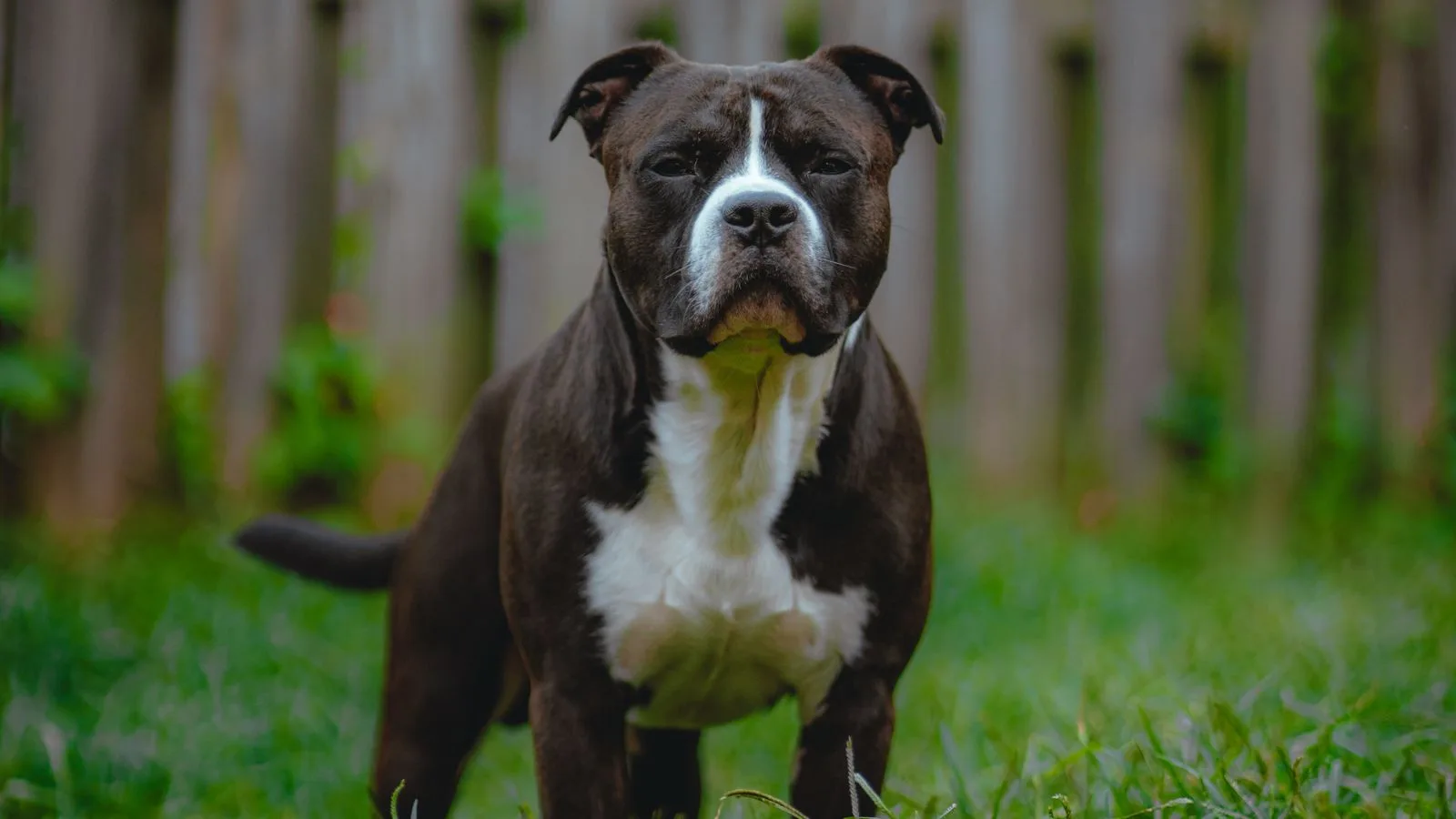
Port Arthur Dog Bite Lawyer
Learn more →

Port Arthur Motorcycle Accident Lawyer
Learn more →
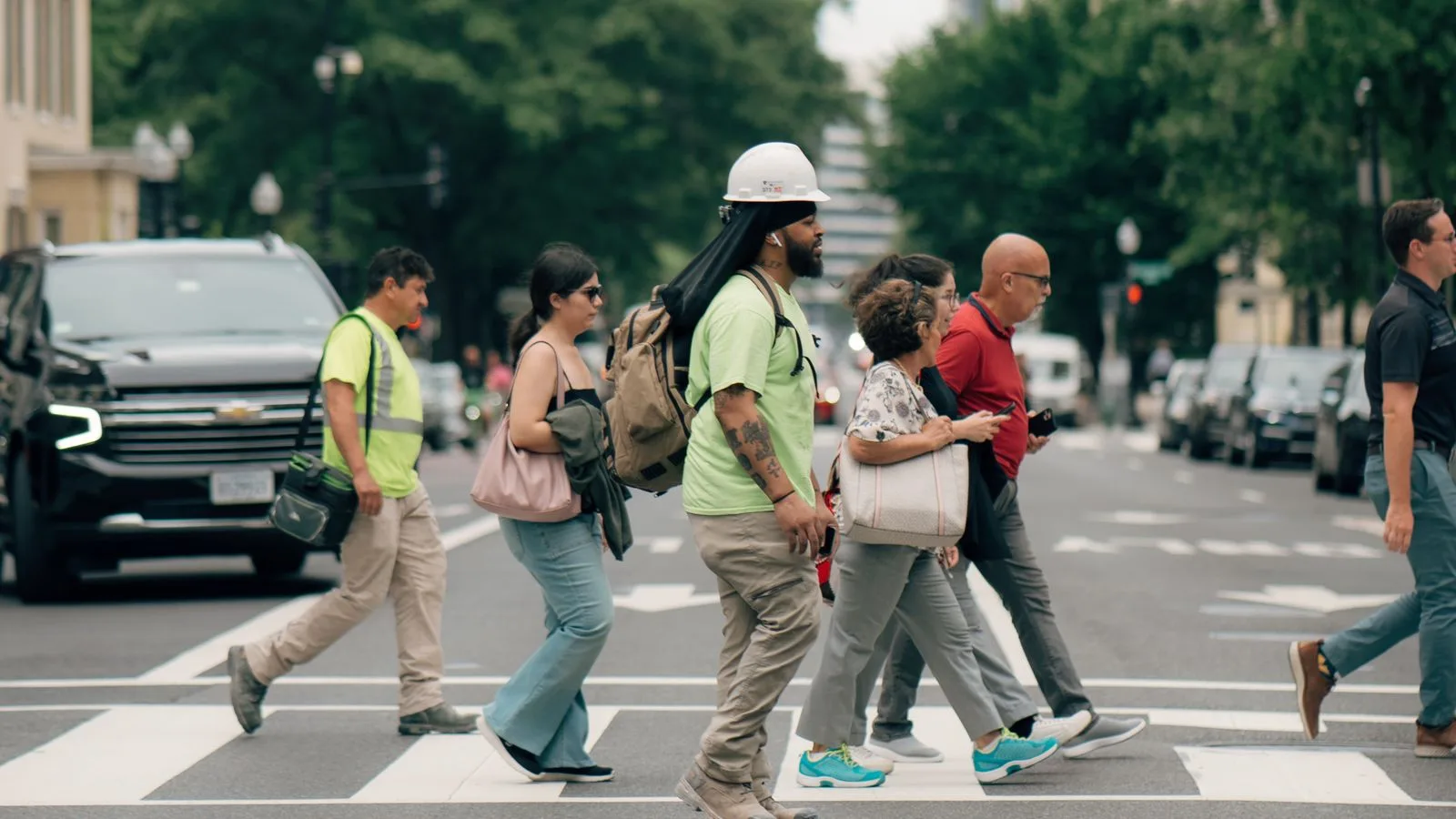
Port Arthur Pedestrian Accident Lawyer
Learn more →

Port Arthur Slip & Fall Lawyer
Learn more →
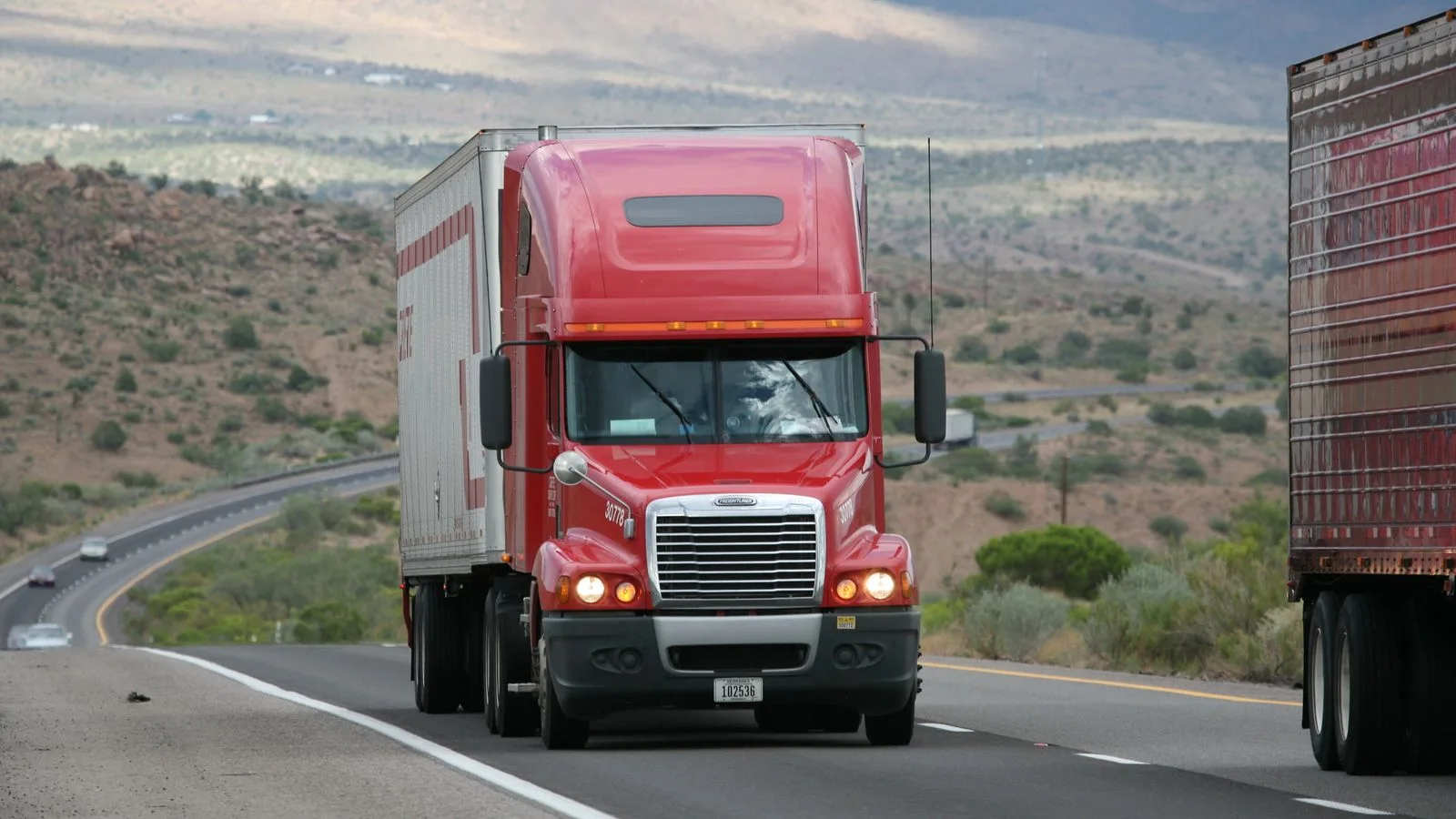
Port Arthur Truck Accident Lawyer
Learn more →
Frequently asked
Questions Texas accident victims ask us
- Even though the crash happened in Port Arthur, the case is venued in Jefferson County, and the courthouse is in Beaumont. Civil filings go to one of the Jefferson County district courts (58th, 60th, 136th, 172nd, 252nd, or 279th) at the Pearl Street courthouse. Tex. Civ. Prac. & Rem. Code § 15.002 governs venue. Defense-side removal to the U.S. District Court for the Eastern District of Texas at the Jack Brooks Federal Building in Beaumont is common in diversity cases above $75,000, particularly when an out-of-state carrier or refinery operator is named.
- Port Arthur is roughly a five-hour drive from Austin, and we travel for the work that has to happen on the ground: scene inspections along SH-73 or SH-87, treating-provider meetings at Christus St. Elizabeth or the Medical Center of Southeast Texas, depositions, Jefferson County trial settings. Trips combine multiple tasks per visit because of the distance. The attorney on the file from intake is the one in the courtroom. The boutique caseload model is what makes the math work; we are not stretched across thousands of files.
- The Medical Center of Southeast Texas in Port Arthur handles moderate-acuity admissions and stabilization. Most serious injuries route north on US-69 to Christus Hospital St. Elizabeth or Baptist Hospitals of Southeast Texas in Beaumont. The most severe trauma — major burns from a refinery incident, complex polytrauma, pediatric cases — frequently airlifts west to Memorial Hermann-TMC in Houston. Port Arthur files commonly span three or four facilities across two metros, and assembling that complete chronology is a meaningful piece of the work.
- We take refinery and chemical-plant injury cases under the same boutique model, and the analysis is materially different from a roadway collision. Texas workers' compensation (or a nonsubscriber program), third-party contractor liability, the plant operator's premises and operational duties, OSHA records, and contractor-tier coverage maps all interact. Motiva, Valero, Total, and the surrounding plants each have distinct contractor structures and incident-reporting frameworks. We assess facts and coverage carefully at intake; these cases are document-heavy and the merits decision is conservative.
- Yes, materially. Tanker operators and hazmat carriers are commercial motor carriers regulated by FMCSA, and hazmat operations carry additional federal rules under 49 CFR Parts 171-180. Driver-qualification files, hours-of-service logs, ELD data, post-crash drug-and-alcohol testing, the load manifest, and the carrier's safety record all become discoverable. Commercial-auto policies in the Golden Triangle frequently carry seven-figure limits and sit beneath umbrella layers. We send spoliation letters immediately and pull the FMCSA SAFER profile at intake.
- It comes up more often than you might expect. Harvey in 2017 caused catastrophic flooding across the city, and Ike, Rita, and Laura each left their own marks. Post-storm reconstruction along SH-73 and SH-87, residual flood-zone roadway hazards, storm-damaged signage, and reconstructed signal timing all appear as factual elements in current files. Property damage from flooding and storm-related vehicle losses are a recurring claim type in their own right. For premises and roadway cases, the post-storm timeline frequently matters to liability.
- Two years from the date of injury under Tex. Civ. Prac. & Rem. Code § 16.003, the statewide rule. Claims against governmental entities (the City of Port Arthur, Jefferson County, TxDOT, the Port of Port Arthur) require pre-suit written notice under the Texas Tort Claims Act on a six-month clock, and the City of Port Arthur charter has historically required notice within a shorter window. The notice clock is more urgent than the limitations clock for any case touching a government defendant.
- The Southeast Texas plaintiff bar has real expertise on refinery and chemical-plant cases. The choice for a client is about access. The volume firms in the region run intake operations measured in thousands of files and most cases never see the named attorney. Cap City keeps the caseload deliberately small so the lawyer on your file is the one who knows the Jefferson County courts, the refinery-tier coverage structures, and the SH-73 / SH-87 corridor, and you work with that lawyer directly from intake forward. For trial work, we associate local counsel only when a specific procedural advantage requires it.
Let's talk about your case.
Free case review, no obligation. We'll tell you straight whether we can help.