
Arlington · Truck Accident
Arlington Truck Accident Lawyer
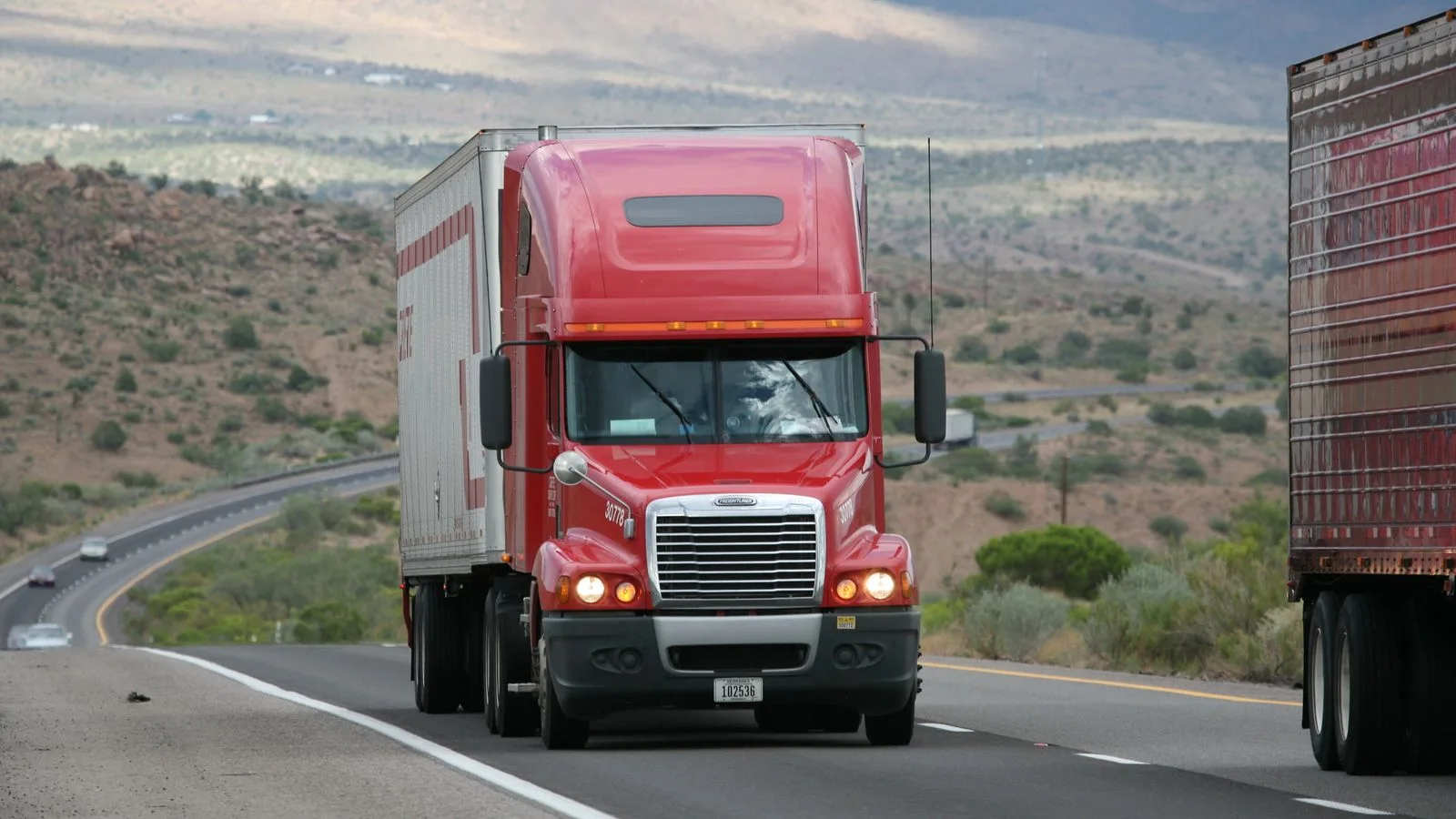
A commercial truck crash claim in Arlington involves a collision between a passenger vehicle and an 18-wheeler or other heavy commercial carrier operating on freight corridors like I-20 or SH-360, where the mass and speed differential between vehicles routinely produces catastrophic injury. Beyond the driver's negligence, the motor carrier bears liability under federal respondeat superior rules and may face direct exposure for failures in hiring, training, or maintenance under the Federal Motor Carrier Safety Regulations. The carrier's electronic logging device data, driver qualification file, and post-crash testing records are often the core evidence, and they exist on short retention cycles that require immediate preservation action. Cases are venued in Tarrant County district court at the Tom Vandergriff Civil Courts Building, with a two-year limitations period under Tex. Civ. Prac. & Rem. Code § 16.003.
Why Arlington cases are different
I-20 along Arlington's south side carries the region's heaviest through-truck volume, tying into the I-35W and I-35E corridors that move freight across North Texas. We pursue 18-wheeler and commercial-vehicle claims for Arlington clients statewide from our Austin office.
Arlington's freight corridors and commercial-vehicle crashes
While I-30 along the north side carries the stadium and entertainment traffic, I-20 to the south is the working freight route, connecting Arlington to the I-35W and I-35E spines that funnel commercial trucks through the Dallas-Fort Worth metro. SH-360 links the two and sees a mix of delivery and through-truck traffic feeding industrial sites near the interstates. A loaded tractor-trailer can weigh many times what a passenger car does, so the same merge or rear-end pattern that bruises someone in a fender-bender produces catastrophic injury when a commercial truck is involved. Crashes here often happen at interchange merges and during the congested windows when event traffic on I-30 spills demand onto I-20. Identifying the carrier, the trailer owner, the broker, and any shipper early matters, because commercial cases involve layers of corporate responsibility a simple car crash does not.
FMCSA rules, ELD data, and employer liability
Interstate carriers operating through Arlington must follow the Federal Motor Carrier Safety Regulations, including hours-of-service limits that cap driving time to fight fatigue. Modern trucks log that activity on electronic logging devices, and the ELD data, driver qualification file, maintenance records, and post-crash drug-and-alcohol testing are often the most decisive evidence in the case. Carriers are not required to keep all of it forever, so a written preservation request needs to go out quickly to stop routine destruction. Under Texas respondeat superior principles, a motor carrier is generally liable for its driver's negligence in the course of employment, and the carrier may also face direct claims for negligent hiring, training, or supervision. Commercial trucks typically carry far higher policy limits than passenger vehicles, which both raises the stakes and explains why carriers and their insurers investigate aggressively from the first hours.
More in Arlington
Other ways we help Arlington injury victims.





Frequently asked
Arlington truck accident questions
- Three things: severity, evidence, and defendants. Commercial trucks on I-20 and SH-360 cause far worse injuries, the key proof lives in carrier records like ELD logs and maintenance files that can be overwritten, and liability can extend beyond the driver to the carrier, broker, or shipper. Higher commercial policy limits also mean the insurer fights harder and faster than in a standard collision.
- Quickly. ELD hours-of-service data, dashcam video, and maintenance records can be lost on routine retention cycles within weeks. A written preservation, or spoliation, letter to the carrier should go out as soon as possible to halt destruction. The sooner counsel identifies the carrier and its insurer, the more of that decisive electronic record survives to support your claim.
- Often yes. Under Texas respondeat superior, a carrier is generally liable for a driver acting within employment. The carrier can also face direct liability for negligent hiring, training, supervision, or maintenance. Identifying every responsible party, including the carrier and any broker or shipper, matters because commercial policies carry the higher limits needed to cover serious injuries.
- No. Carrier safety personnel and their insurers begin investigating immediately and anything you say can be used to reduce their liability. Decline recorded statements until you have counsel. The carrier's speed in contacting you reflects how seriously they view their exposure, which is a signal to move just as quickly on evidence preservation.
- Interstate carriers must comply with the Federal Motor Carrier Safety Regulations, which set hours-of-service limits, pre-trip inspection requirements, driver qualification standards, and drug-and-alcohol testing protocols. Violations of those regulations are evidence of negligence per se and can support exemplary damages under Texas law when the violation is egregious, such as falsified logs or repeated prior violations.
- Arlington is in Tarrant County, so suit is typically filed at the Tom Vandergriff Civil Courts Building in Fort Worth unless venue analysis under Tex. Civ. Prac. & Rem. Code § 15.002 points elsewhere. Carriers headquartered outside Tarrant County may allow an alternative venue, which can change the jury pool and affect the value of the case.
Where we work from
Downtown Austin. Arlington clients welcome.
Our office is in downtown Austin; we represent Arlington-area clients statewide and travel to Arlington for case-specific needs (scene visits, medical-records consultations, court appearances). Home and hospital visits when injuries make travel difficult.
Talk to a Arlington truck accident lawyer.
Free case review, no obligation. We'll tell you straight whether we can help.