
Boerne · Dog Bite
Boerne Dog Bite Lawyer
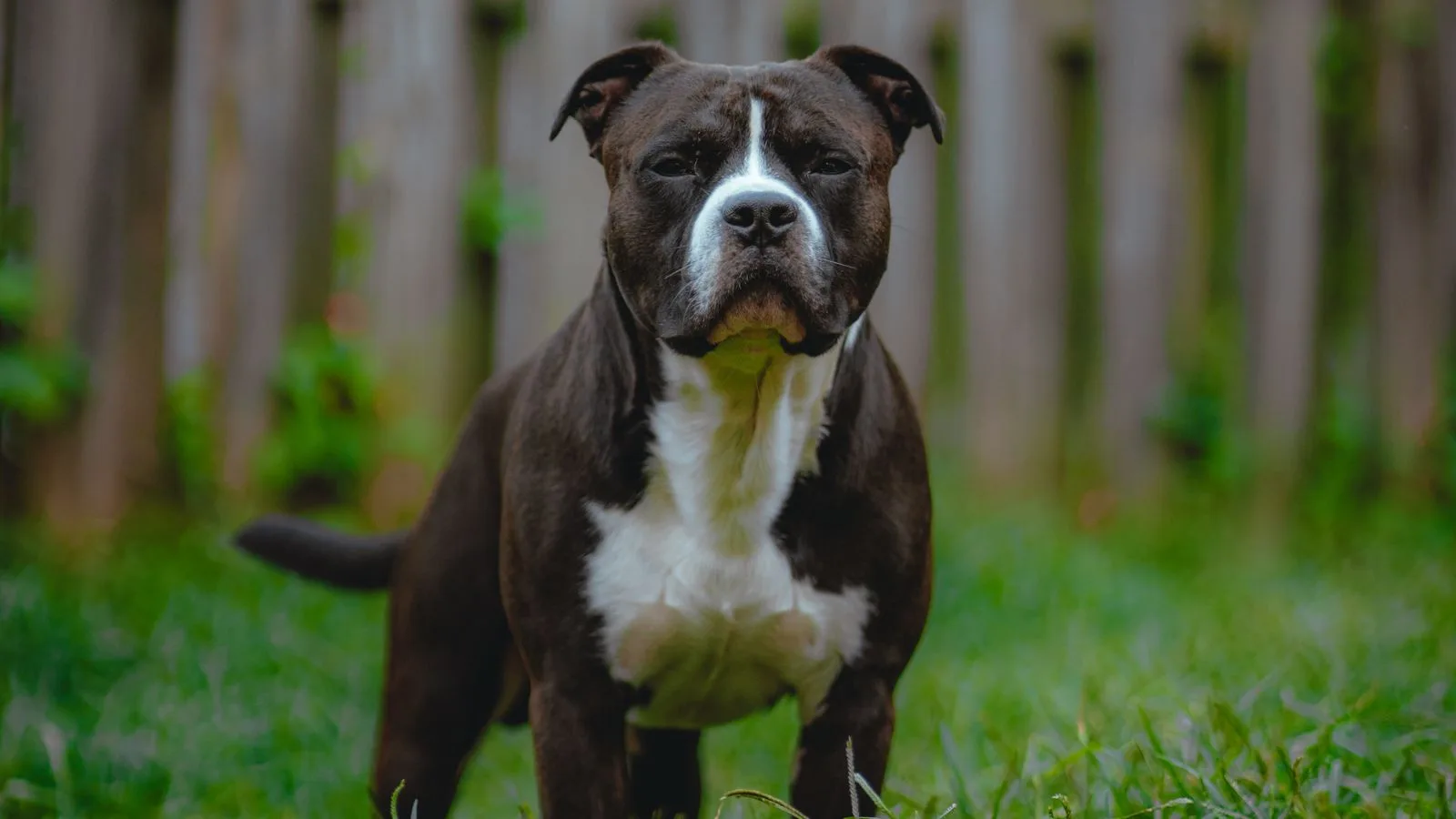
Texas dog-bite law in Boerne and Kendall County holds an owner strictly liable when the owner knew or had reason to know the animal had dangerous propensities — a standard drawn from Marshall v. Ranne that does not require a prior bite, only prior knowledge of aggressive behavior — and alternatively holds the owner liable under ordinary negligence when they failed to reasonably control a dog. Ranchland and residential properties throughout Kendall County commonly keep large working and guard dogs, and the gap between urban leash norms and rural property habits is a recurring factor in these cases. The two-year statute under § 16.003 applies, with tolling for child victims until age 18, and cases are filed in Kendall County district court on Main Plaza.
Why Boerne cases are different
A dog bite in and around Boerne, from the residential neighborhoods to the ranchland outside town, can cause severe and disfiguring injury, especially to children. Texas owner-liability law and the homeowner's insurance policy behind it determine how a serious bite claim is built.
Texas owner liability: the two paths
Texas does not impose automatic, strict liability on every dog owner, so a Boerne bite claim usually runs on one of two theories. The first is the longstanding one-bite rule, where the owner is liable if they knew or had reason to know the dog had dangerous propensities, often shown by a prior bite, aggressive behavior, or the way the dog was kept and warned about. The second is ordinary negligence, where the owner failed to use reasonable care to control or restrain the animal, such as ignoring a leash requirement or letting a known aggressive dog roam on rural Kendall County property where children or visitors could be reached. Both paths require careful early fact-gathering: the dog's history, prior complaints to neighbors or animal control, and the circumstances of the attack. We document that record before memories fade and before the owner reshapes the story.
Homeowner coverage and the severity of facial injuries
The financial reality of a serious Boerne dog-bite case usually lives in a homeowner's or renter's insurance policy, which commonly provides liability coverage for injuries the household's dog causes. Identifying that coverage and the policy limits is an early and essential step, because severe bites generate medical costs that climb fast. Dog attacks frequently cause deep puncture wounds, crush and tearing injuries, nerve damage, and disfiguring facial wounds, and the victims are disproportionately children whose smaller size puts the face and head in reach. Those injuries often require plastic and reconstructive surgery, sometimes in stages over years, plus treatment for the lasting psychological trauma of an attack. We work with treating physicians to document the full arc of care, including future surgeries and scar revision, so the claim reflects the complete long-term cost rather than just the emergency-room bill.
More in Boerne
Other ways we help Boerne injury victims.





Frequently asked
Boerne dog bite questions
- No. Texas has no blanket strict-liability rule. A claim typically rests on the one-bite rule, where the owner knew the dog had dangerous tendencies, or on negligence, where the owner failed to reasonably control or restrain the animal, such as ignoring a leash rule. Establishing the dog's history and the circumstances of the attack early is what makes these cases succeed.
- Usually the dog owner's homeowner's or renter's insurance, which commonly includes liability coverage for injuries caused by a household dog. Finding that policy and its limits is an early priority, because serious bites, especially facial wounds requiring reconstructive surgery, generate costs that climb quickly. If no coverage exists, we evaluate other responsible parties and the owner's personal assets.
- Facial and head injuries are common in child bite cases because of a child's height, and they often require staged plastic and reconstructive surgery plus treatment for lasting psychological trauma. The claim should reflect that full future arc, not just the initial ER visit. We work with treating physicians to document anticipated surgeries and scar revision so the long-term cost is fully accounted for.
- A prior bite is not required to establish the one-bite rule. What matters is whether the owner knew or had reason to know the dog had dangerous propensities: a history of lunging, snapping, escaping enclosures, or threatening behavior toward people or other animals qualifies even without a recorded bite. We gather neighbor statements, animal control call records, and any prior complaints to the owner to document that knowledge.
- Yes, in limited circumstances. A landlord who had actual knowledge that a tenant's dog was dangerous and who had the legal ability to require removal or take corrective action but failed to act can face liability alongside the dog owner. This theory is established under Texas case law including Tellez v. Saban. It requires proving the landlord actually knew about the specific dog's dangerous tendencies, not just a general awareness of dogs on the property.
- The general Texas statute of limitations is two years under § 16.003, but for child victims that deadline is tolled until the child turns eighteen. That means a child bitten at age eight has until age twenty to bring the claim. For the parent's own derivative claims, the two-year standard period typically applies from the date of the attack. We advise on both timelines at intake to make sure no deadline is missed.
Where we work from
Downtown Austin. Boerne clients welcome.
Our office is in downtown Austin; we represent Boerne-area clients statewide and travel to Boerne for case-specific needs (scene visits, medical-records consultations, court appearances). Home and hospital visits when injuries make travel difficult.
Talk to a Boerne dog bite lawyer.
Free case review, no obligation. We'll tell you straight whether we can help.