
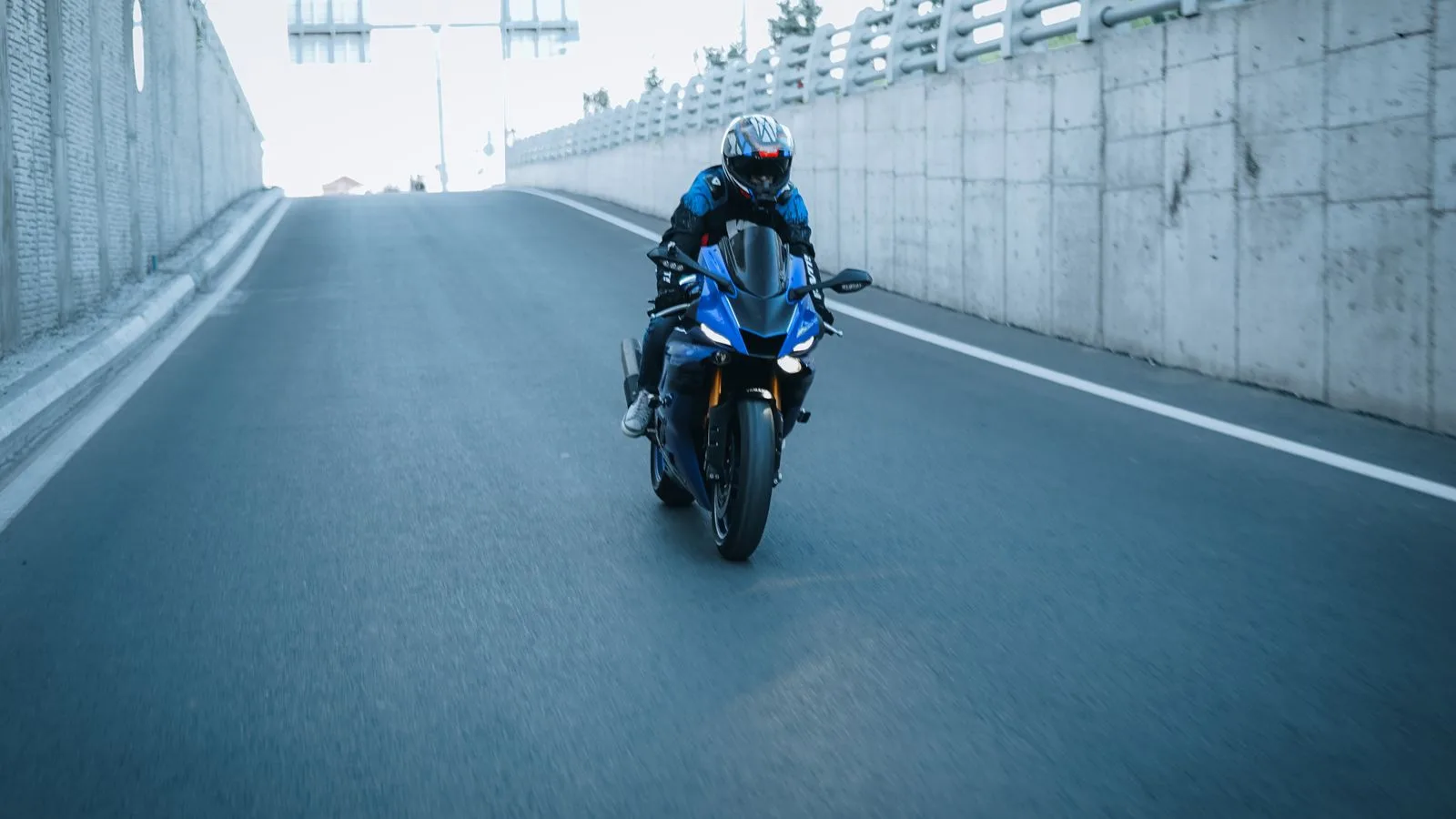
Boerne · Motorcycle Accident
Boerne Motorcycle Accident Lawyer
A motorcycle crash claim in Boerne follows the same Texas fault-based negligence rules as any collision: the at-fault driver's breach of duty, not the victim's choice of transportation, determines liability — but riders face a more dangerous physical reality and a built-in jury skepticism that the case must overcome from the start. On SH-46 and US-87, where curves, limited shoulders, and dawn-and-dusk wildlife hazards are everyday conditions, a driver who fails to yield or check mirrors before a turn or lane change can eject a rider at highway speed with no protective buffer. The two-year statute of limitations under § 16.003 applies, and cases are heard in Kendall County district court on Main Plaza when the crash occurs inside Kendall County. Modified comparative fault under Chapter 33 means the defense will push hard to assign fault percentage to the rider.
Why Boerne cases are different
The Hill Country roads that draw riders to Boerne are the same ones that hurt them. SH-46 and US-87 offer sweeping curves and scenery, but limited shoulders, dawn-and-dusk wildlife, and drivers who never see the bike turn a weekend ride into a catastrophic-injury case.
Fighting the bias before the facts
Motorcyclists walk into a Boerne crash claim carrying an unfair assumption: that the rider must have been speeding or reckless. The reality on SH-46 and US-87 is usually the opposite cause. The most common serious motorcycle wreck is a driver turning left across the rider's path or changing lanes into a bike the driver claims they never saw, on a two-lane road where there is no margin for error. Texas runs these claims under the same Chapter 33 proportionate-responsibility rule as any crash, so the defense will try to push fault percentage onto the rider to shrink or bar recovery. We counter that with hard evidence: the scene geometry, sight lines into the curve, the at-fault driver's statement, any roadside surveillance, and reconstruction of speeds and gap. Texas law does not penalize a rider for choosing a motorcycle, and helmet-use arguments have sharp limits on what a defendant may even raise at trial.
Road hazards and severe injuries on rural segments
A motorcycle gives the rider nothing between their body and the pavement, so the injuries that come off a Boerne crash skew severe: head trauma, spinal damage, multiple fractures, and road rash requiring grafts. The Hill Country geography compounds it. SH-46's soft shoulders, sharp curves, and recurring wildlife strikes at dawn and dusk create single-vehicle loss-of-control hazards that barely threaten a car, and a deer or a gravel patch on a curve can be fatal on two wheels. EMS response to a rural Kendall County location can run fifteen to thirty minutes, with air-medical transport routine for serious cases and catastrophic transports routing southeast on I-10 to University Hospital in San Antonio. That distance to definitive trauma care matters to both the medical outcome and the file, where the EMS narrative often becomes the key document establishing the mechanism of injury and the rider's condition at the scene.


Frequently asked
Boerne motorcycle accident questions
- No. A driver's duty includes keeping a proper lookout and yielding before turning or changing lanes, and not seeing a motorcycle that was there to be seen is a failure of that duty, not a defense. The likely fight is over fault percentage under Texas Chapter 33. We build the sight-line and scene evidence to show the bike was visible and the driver should have yielded.
- Likely yes. Texas law limits how and whether a defendant can use helmet non-use against an adult rider, and helmet status does not erase the other driver's negligence in causing the crash. It can become an argument about specific head-injury damages, but it does not bar the claim. We address it directly and keep the focus on what caused the collision.
- Often severe. With no protection between rider and road, Boerne-area crashes commonly produce head and spinal injuries, multiple fractures, and road rash needing grafts. Rural EMS response can take fifteen to thirty minutes, and catastrophic cases route by air or down I-10 to University Hospital in San Antonio. We pull EMS and trauma records early because they document both the mechanism of injury and the rider's condition at the scene.
- A pure single-vehicle wildlife-avoidance crash usually has no third-party at fault, so the primary coverage is your own collision, medical payments, and uninsured-motorist property damage coverage. The exception is when a roadway defect — a missing guardrail, poor signage in a known wildlife corridor — contributed to the outcome, in which case a government entity may bear some responsibility. We review the site conditions and TxDOT maintenance records in those cases.
- Two years from the date of the crash under Tex. Civ. Prac. & Rem. Code § 16.003. The statute runs from the collision, not from when all injuries are diagnosed. On a Hill Country two-lane road where the scene evidence — skid marks, shoulder damage, and nearby business surveillance — fades or overwrites quickly, waiting months to pursue the claim meaningfully weakens the case.
- Often yes, through your own uninsured and underinsured-motorist coverage, which applies when the at-fault driver carries no insurance or carries limits too low to cover the actual damages. Texas allows stacking of UM/UIM coverage across multiple vehicles on a household policy if not waived in writing. Identifying every available layer of coverage, including your own policy, is one of the first things we do after a serious motorcycle crash.
Where we work from
Downtown Austin. Boerne clients welcome.
Our office is in downtown Austin; we represent Boerne-area clients statewide and travel to Boerne for case-specific needs (scene visits, medical-records consultations, court appearances). Home and hospital visits when injuries make travel difficult.
Talk to a Boerne motorcycle accident lawyer.
Free case review, no obligation. We'll tell you straight whether we can help.