
Motorcycle accidents · Subcategory
Lane-Change Motorcycle Accidents
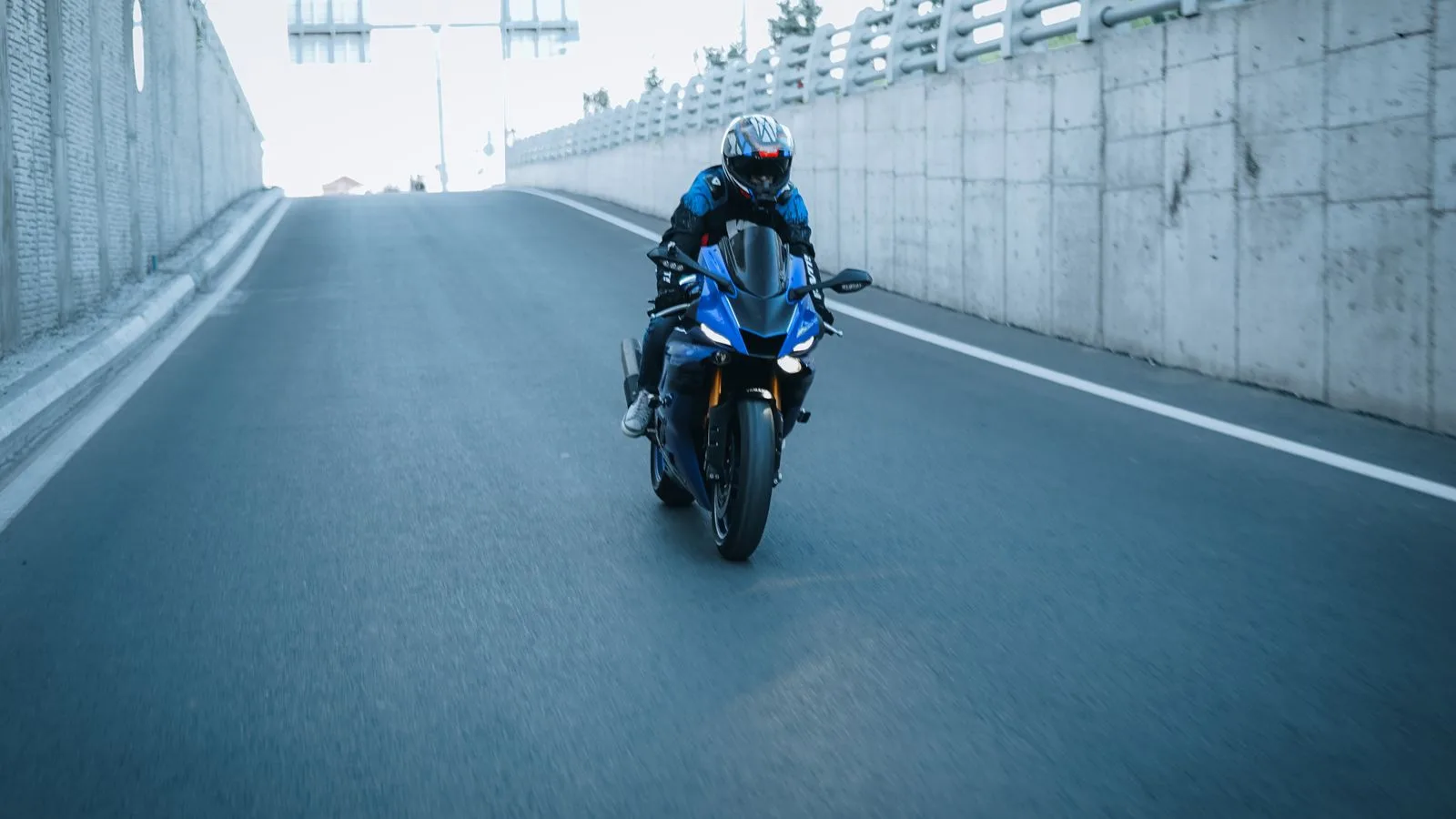
Lane-change motorcycle accidents happen when a driver merges or shifts laterally into a lane already occupied by a motorcyclist, sideswiping the rider or pushing the bike off line. Tex. Transp. Code § 545.060 requires a driver moving between marked lanes to do so only when the movement can be made safely; the failure-to-check-the-blind-spot pattern that produces these crashes is a textbook statutory violation. The injury picture varies with speed and ground contact but the liability picture, properly documented, is usually clean.
Why the blind-spot doctrine matters in these cases
Texas drivers owe a duty to maintain a proper lookout in every direction movement is being initiated. A lane change is a movement that creates a perception duty in the direction of the change, and the existence of a blind spot in the driver's mirror geometry does not extinguish that duty; it reinforces it. The rider does not have to prove the driver could have seen the motorcycle in any particular mirror. The rider has to prove the driver moved laterally into an occupied lane, which is itself the breach. The defense routinely tries to relitigate this point with 'the bike was in my blind spot' as a kind of justification; it is not.
Rider visibility and the head-check witness
Real evidence resolves the blind-spot debate quickly. Was the motorcycle's headlight on, as required by Tex. Transp. Code § 547.302 from sunset to sunrise and effectively expected at all times? Was the rider in high-visibility gear, or in a lane position that maximized the driver's available sightline? Did any independent witness — a driver behind the at-fault vehicle, a passenger in an adjacent lane — observe the head-check, or the absence of one? Witnesses to the seconds before a lane change are surprisingly common and surprisingly important. We collect them at the scene where possible and, where not, work the file to identify them through dashcam canvases and follow-up at corridor businesses.
Commercial vehicles and the lane-change pattern
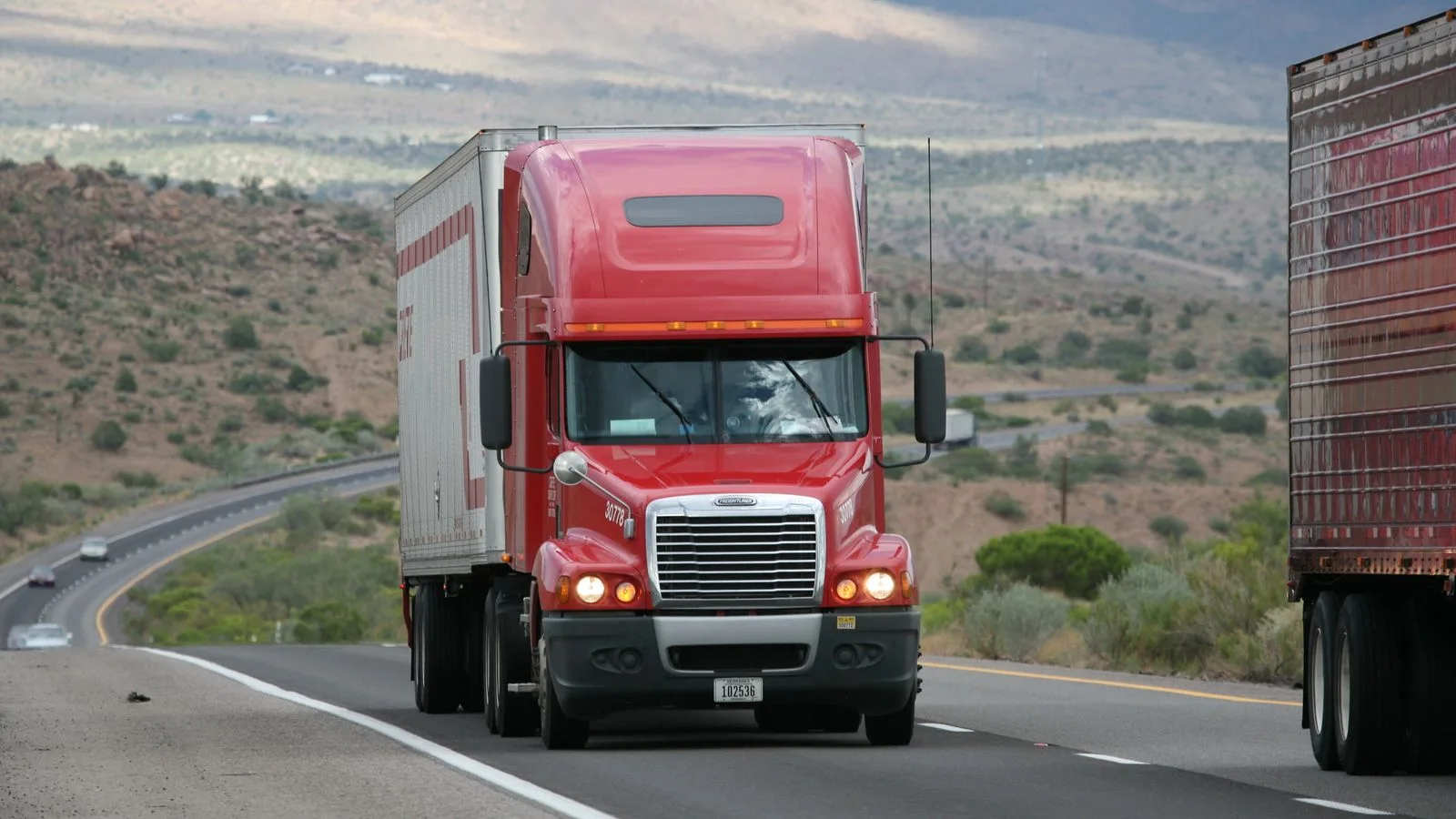
A meaningful share of lane-change motorcycle crashes involve commercial vehicles: box trucks, delivery vans, contractor pickups towing trailers, ride-share drivers cutting across to reach a pickup. Each opens different layers of coverage and different documentary records. Commercial drivers are subject to additional duties under company policy, driver-training records, and (for vehicles over the FMCSA threshold) federal regulation. Driver-training records, qualification files, and prior-incident histories become discoverable in a commercial case in ways they do not in a personal-vehicle case. We identify the commercial nature of the at-fault vehicle in the first week because it changes the discovery posture of the entire file.
Speeds, sideswipe geometry, and the secondary ground strike
Lane-change crashes occur across a wide speed band. A 35-mph sideswipe on Lamar Boulevard produces different injuries than a 70-mph sideswipe on US-183. Geometry matters: a glancing contact at speed often does not deform the bike severely but causes the rider to lose lateral stability, separate from the bike, and impact the pavement at the road speed. The secondary ground strike is the injury driver in most of these cases: road rash and degloving, fractures from the slide, head injury where the helmet meets the pavement, internal injuries from rolling. Insurers anchor low on the modest vehicle damage and then act surprised by the medical picture. The medical picture is the case.



Frequently asked
Questions Texas accident victims ask us
- Tex. Transp. Code § 545.060 requires a driver on a roadway divided into two or more marked lanes to drive as nearly as practical entirely within a single lane and to move from that lane only when the movement can be made safely. A driver who moves laterally into a lane already occupied by a motorcycle has violated the statute as a matter of fact: the movement was not safe because the lane was occupied, and the violation is admissible evidence of negligence.
- No. The blind-spot argument is offered as an excuse, not a legal defense. Texas drivers owe a duty to maintain a proper lookout for all road users and to make movements only when those movements can be made safely. The existence of a blind spot in a driver's mirror geometry is a reason to head-check, not a reason to claim immunity from a lane-change crash. Some insurers will lean on the phrase in early offers; it doesn't survive the file as it matures.
- Texas does not authorize lane-splitting or lane-filtering, and a rider operating between lanes at the moment of contact will face a comparative-fault argument. Whether that argument bars recovery depends on the entire fact pattern: the other driver's conduct, the rider's actual lane position at impact (which is often more centered than the defense claims), the speed differential, and visibility. The 51% bar is the only hard cutoff; below it, recovery continues, reduced by the rider's share.
- Onboard cameras and dashcams on commercial vehicles are the most decisive when available; many trucks now carry outward-facing and driver-facing cameras that capture mirror checks and head checks. For non-commercial vehicles, independent witnesses (drivers behind or alongside the at-fault vehicle) and the absence of any defensive maneuver in the driver's pre-impact line of travel both speak to the same point. A rider in a clearly visible position with headlight on, in legal lane occupancy, who is struck by lateral movement, has a strong inferential case even without a mirror-check witness.
- Because the rider's injury exposure is primarily the secondary ground strike, not the initial vehicle contact. A glancing sideswipe at 40 mph may barely damage the motorcycle but will separate the rider from the bike, and the rider will then contact the pavement at road speed and slide. Road rash and degloving, fractures from the slide, head injury at helmet-to-pavement contact points, and internal organ trauma from the rolling phase are all common. The injury severity is decoupled from the vehicle-damage severity.
- Beyond the basics — getting the police report, preserving the gear, accepting medical transport — the rider's most important contribution is honesty about lane position and speed in the first conversations with counsel. The defense will dig into both. A rider who can document lane position with dashcam footage, who can show speed within the posted limit, and who can confirm headlight-on operation has effectively pre-answered the defense's playbook. Concealment of detail almost always damages the file more than disclosure does.
- It matters. Tex. Transp. Code § 545.104 requires a driver to signal an intention to turn or change lanes continuously for at least 100 feet before the movement. Failure to signal is independent evidence of negligence, and in lane-change motorcycle cases the failure to signal is often documented by dashcam, by independent witnesses, or by the rider's own observation in the seconds before impact. A signaled lane change into occupied space is still negligent; an unsignaled one is doubly so.
Let's talk about your case.
Free case review, no obligation. We'll tell you straight whether we can help.