

Converse · Catastrophic Injury
Converse Catastrophic Injury Lawyer
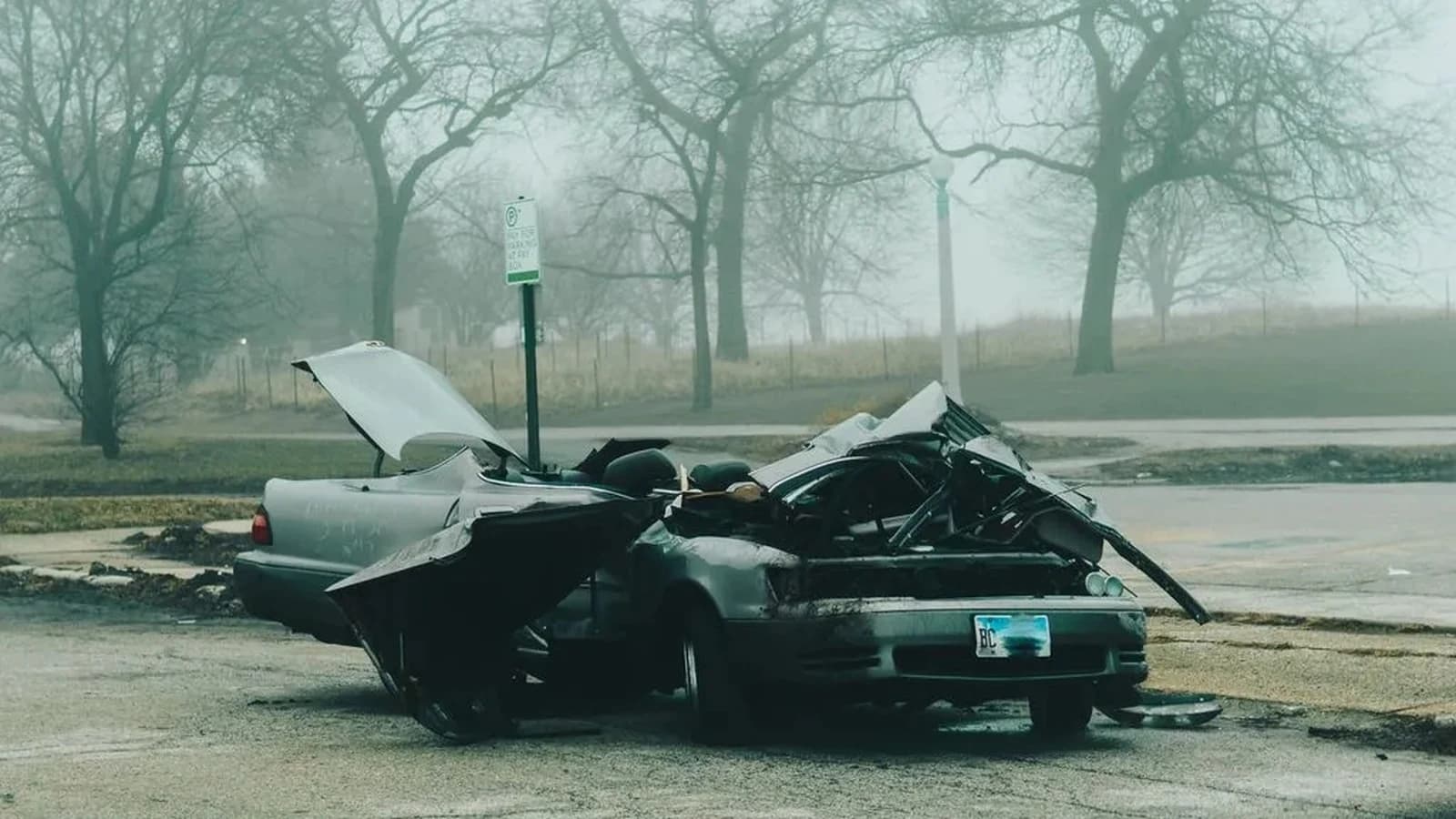
A catastrophic injury or wrongful-death case arising out of Converse involves an incident — most commonly a high-speed I-10 or FM-78 collision caused by commercial negligence — that produces permanent, life-altering harm: spinal cord injury, traumatic brain injury, severe burns, or death. Texas's wrongful-death statute, Tex. Civ. Prac. & Rem. Code § 71.004, gives the surviving spouse, children, and parents claims for the death, while the survival action under § 71.021 preserves the decedent's own pre-death damages for the estate. Unlike ordinary personal-injury cases, the economic value here is dominated by future costs — decades of medical care, attendant services, and lost earning capacity — which require a certified life-care plan and present-value analysis to quantify. The same two-year limitations period under § 16.003 applies, and exemplary damages are available under § 41.003 for gross negligence.
Why Converse cases are different
When a Converse crash is catastrophic, the trauma routing tells the story: the most severe cases bypass Methodist Northeast for University Hospital in the South Texas Medical Center or Brooke Army Medical Center at Fort Sam Houston. Those are the cases where the lifetime cost, not the early offer, defines the claim.
Spinal cord, brain, burns, and wrongful death
The high-speed freight and commuter dynamics of the I-10 corridor and FM-78 produce the city's worst outcomes: spinal cord injuries with paralysis, traumatic brain injuries, severe burns from post-collision fires on the interstate, and wrongful-death cases. The trauma routing itself signals severity: catastrophic injuries from Converse continue past the Methodist Northeast ER to University Hospital in the South Texas Medical Center or to Brooke Army Medical Center, the level-one resources the region reserves for the most critical patients. These claims demand a fundamentally different build than a soft-tissue case. The value lives in the future: decades of medical care, attendant and home-modification needs, lost earning capacity, and the human cost of a permanently altered life. Texas allows wrongful-death recovery for a surviving spouse, children, and parents, plus a survival claim for the decedent's own pre-death damages, and we identify the correct claimants at the outset.
Future medicals, life-care planning, and high-stakes posture
In a catastrophic Converse case the medical chronology is not a binder; it is a projection. We build the claim with a life-care plan that quantifies future surgeries, rehabilitation, equipment, medication, and attendant care over the client's lifetime, supported by treating physicians and economists rather than guesswork. That is also why the early-offer dynamic is so dangerous here: the recurring file challenge in Converse is the gap between a quick ER picture and the eventual specialist diagnosis, and in a catastrophic case a fast lowball offer can land before the true severity is even documented. Where a commercial truck or carrier is involved, the higher policy limits and the FMCSA evidence layer raise the stakes further, and the Bexar-versus-Guadalupe venue question on the I-10 corridor carries real weight because jury composition affects the value of a high-exposure case. We posture these files for full valuation from the first day, not for a quick close.
More in Converse
Other ways we help Converse injury victims.




Frequently asked
Converse catastrophic injury questions
- Trauma routing reflects severity. The most critical Converse injuries bypass the Methodist Northeast ER and go to University Hospital in the South Texas Medical Center or Brooke Army Medical Center, the region's level-one trauma resources. A single catastrophic file usually pulls records from several facilities, and we coordinate those requests so the complete clinical picture, not a fragment, supports the claim's value.
- The value is mostly in the future, not the bills already incurred. We build a life-care plan projecting decades of surgery, rehabilitation, equipment, medication, attendant care, and lost earning capacity, supported by treating physicians and economists. Because an early offer often arrives before the true severity is documented, we develop the full medical and economic picture before engaging on value.
- Texas allows a wrongful-death claim by the surviving spouse, children, and parents, and a separate survival claim for the damages the decedent suffered before death, such as conscious pain and medical expenses. Identifying the correct statutory beneficiaries at the outset is essential, and the same two-year limitations period generally applies. We screen for that and for any governmental or commercial defendant early.
- Yes. Exemplary damages under Tex. Civ. Prac. & Rem. Code § 41.003 are available when gross negligence is proved by clear and convincing evidence, meaning the defendant's act involved an extreme degree of risk and the defendant was consciously indifferent to that risk. In a commercial-truck context on I-10, falsified hours-of-service logs or documented prior safety violations can support that showing. The cap under § 41.008 applies, but opening the exemplary-damages door also shapes the carrier's settlement calculus significantly.
- A life-care plan is a document prepared by a qualified planner, usually a nurse or physician, that itemizes every medical service, piece of equipment, medication, and attendant-care need a catastrophically injured person will require over their lifetime, with costs projected by year. A forensic economist then calculates the present value of that stream of expenditures. Without this, an insurer or defense expert will challenge every line of future damages; with it, the economic claim is concrete and defensible. It is essential in any Converse case involving spinal cord injury or severe traumatic brain injury.
- Two years from the date of death under Tex. Civ. Prac. & Rem. Code § 16.003. If minor children are statutory beneficiaries, their individual limitations period is tolled until age 18. The more urgent deadline, in a commercial-carrier case on I-10, is the federal evidence window: ELD and ECM data can cycle off carrier retention in weeks, and missing that window can materially affect how the liability case is built. Contact counsel as soon as reasonably possible after the incident.
Where we work from
Downtown Austin. Converse clients welcome.
Our office is in downtown Austin; we represent Converse-area clients statewide and travel to Converse for case-specific needs (scene visits, medical-records consultations, court appearances). Home and hospital visits when injuries make travel difficult.
Talk to a Converse catastrophic injury lawyer.
Free case review, no obligation. We'll tell you straight whether we can help.