
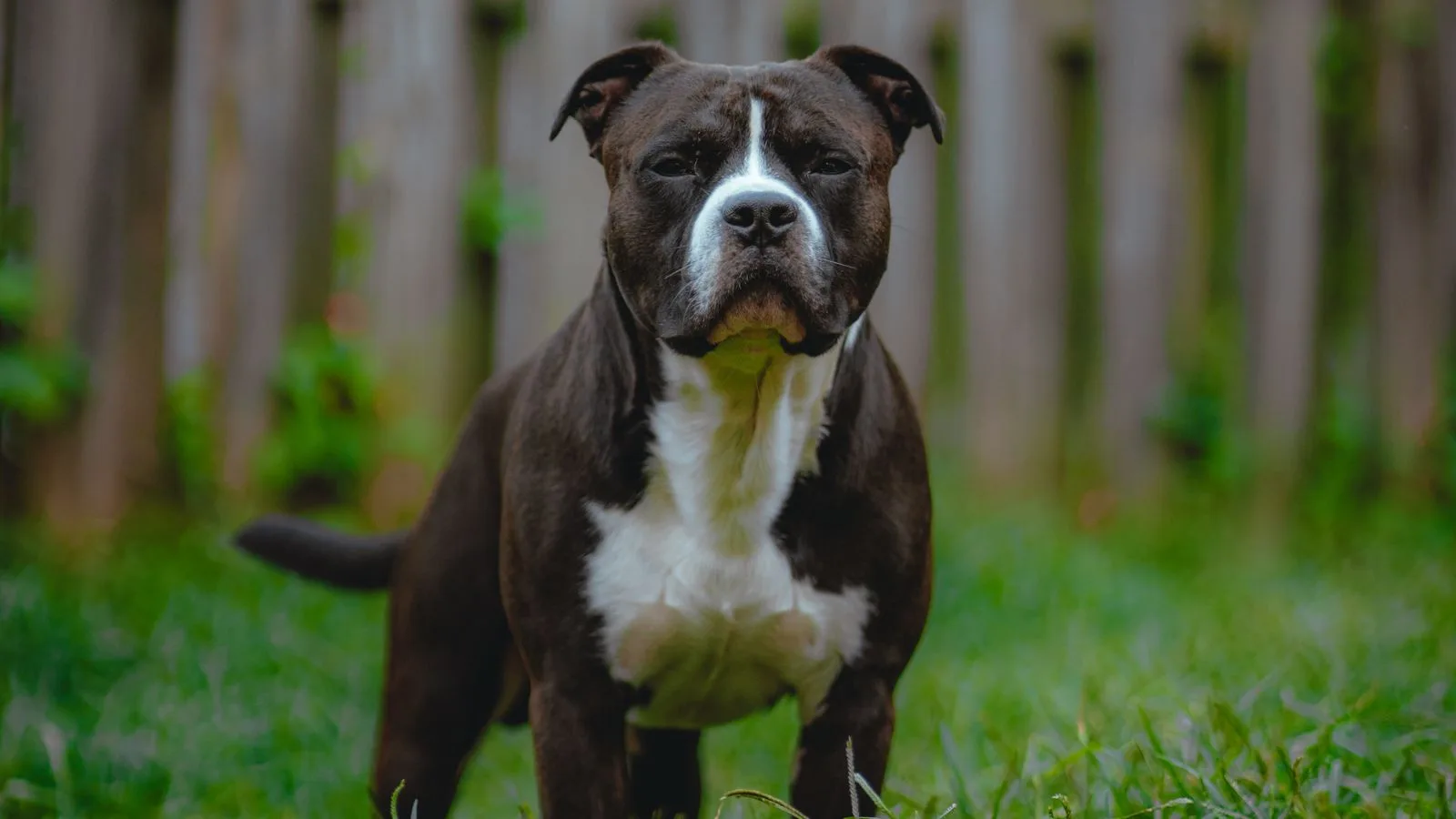
Converse · Dog Bite
Converse Dog Bite Lawyer
A dog-bite or animal-attack claim in Converse is a Texas tort case against a dog owner who knew or should have known the animal had dangerous propensities and failed to control it, or who was negligent in restraining or confining the animal regardless of prior bite history. The claim rests on either the one-bite rule from Marshall v. Ranne or on ordinary negligence, such as a leash-law violation in one of Converse's newer subdivisions east of San Antonio. Texas Health and Safety Code Ch. 822 governs dogs declared dangerous, and Bexar County animal-control records documenting prior incidents are often the key evidence. Cases go to Bexar County district court under the two-year limitations period of § 16.003, which is tolled for minor victims until age 18.
Why Converse cases are different
Converse has grown from twelve thousand residents to nearly thirty thousand, packing the east-side growth corridor with new homes, families, and dogs. A serious dog attack here is a Bexar County case built on Texas owner-liability principles and, usually, a homeowner's insurance policy.
Texas owner liability and negligence
Texas does not impose automatic strict liability for every dog bite. A Converse owner is liable under the long-standing one-bite rule when the owner knew or should have known the dog had dangerous propensities — a prior bite, aggressive lunging, or a history of menacing behavior — and failed to control it. Separately, an owner can be liable in ordinary negligence for failing to restrain or contain a dog, such as leaving a gate open in one of the corridor's newer subdivisions or violating a local leash requirement, regardless of any prior bite history. In the densely built new neighborhoods east of San Antonio, the negligence path is often the cleaner one: a loose dog that gets out of an unsecured yard and attacks a neighbor or a child walking by. Establishing the owner's knowledge or the failure to restrain is the substance of the case, and we develop it through animal-control records, prior-incident reports, and neighbor witnesses.
Severe injuries, children, and homeowner coverage
Dog attacks fall hardest on children, who are bitten at face and head height, and the resulting facial wounds, scarring, and puncture injuries frequently require plastic-surgery repair and carry lasting cosmetic and psychological harm. Catastrophic attacks from Converse route to the same trauma network as other serious injuries: University Hospital in the South Texas Medical Center or, for the most severe cases, Brooke Army Medical Center. The financial reality is that recovery usually comes from the dog owner's homeowner's or renter's insurance liability coverage rather than the owner personally, so identifying the right policy is a core part of the work. We document the injuries thoroughly, including the long arc of scar revision and future treatment for a child, because the initial wound photos rarely capture the full future-care picture an insurer will otherwise discount.
More in Converse
Other ways we help Converse injury victims.




Frequently asked
Converse dog bite questions
- No. Texas follows a one-bite rule: an owner is liable if they knew or should have known the dog was dangerous and failed to control it. An owner can also be liable in ordinary negligence for failing to restrain or contain the dog — an open gate or a leash-law violation — even without a prior bite. In Converse's newer subdivisions, that negligence path often fits a loose dog that escaped an unsecured yard.
- Children are bitten at face and head height, so the injuries skew toward facial wounds, scarring, and punctures that often need plastic-surgery repair and carry lasting cosmetic and emotional harm. The most severe attacks route to University Hospital or Brooke Army Medical Center. Because a child's future scar-revision and treatment needs are not visible in the first photos, we document the full future-care arc so it is not discounted.
- Typically the owner's homeowner's or renter's insurance liability coverage, not the owner's own pocket. Identifying the correct policy is central to any real recovery, and renters and homeowners in the corridor's new subdivisions usually carry it. We confirm coverage early and develop owner-knowledge proof through animal-control records, prior-incident reports, and neighbor witnesses.
- Bexar County animal-control records are the first place we look: a prior complaint, a prior bite report, or a dangerous-dog designation under Texas Health and Safety Code Ch. 822 all establish that the owner had notice of the animal's propensities. Neighbor witnesses who observed prior lunging, charging, or escaping behavior are equally important. In the densely built Converse subdivisions, prior incidents are often known to multiple households on the same block.
- An apartment complex or landlord can be liable for a known-dangerous tenant dog if the landlord had actual knowledge of the animal's propensities and the legal ability to remove it or require the tenant to comply with leash rules. FM-78's commercial and residential development includes apartment properties where that theory applies. We identify both the dog owner and the property management entity at intake and assess the landlord's knowledge and control independently.
- Two years from the date of the attack under Tex. Civ. Prac. & Rem. Code § 16.003. For minor victims, the statute is tolled until the victim turns 18, which can extend the window significantly for child bite victims. The practical urgency is preserving animal-control records and identifying witnesses promptly, before memories fade and reports are archived. We assess the timeline at intake.
Where we work from
Downtown Austin. Converse clients welcome.
Our office is in downtown Austin; we represent Converse-area clients statewide and travel to Converse for case-specific needs (scene visits, medical-records consultations, court appearances). Home and hospital visits when injuries make travel difficult.
Talk to a Converse dog bite lawyer.
Free case review, no obligation. We'll tell you straight whether we can help.