
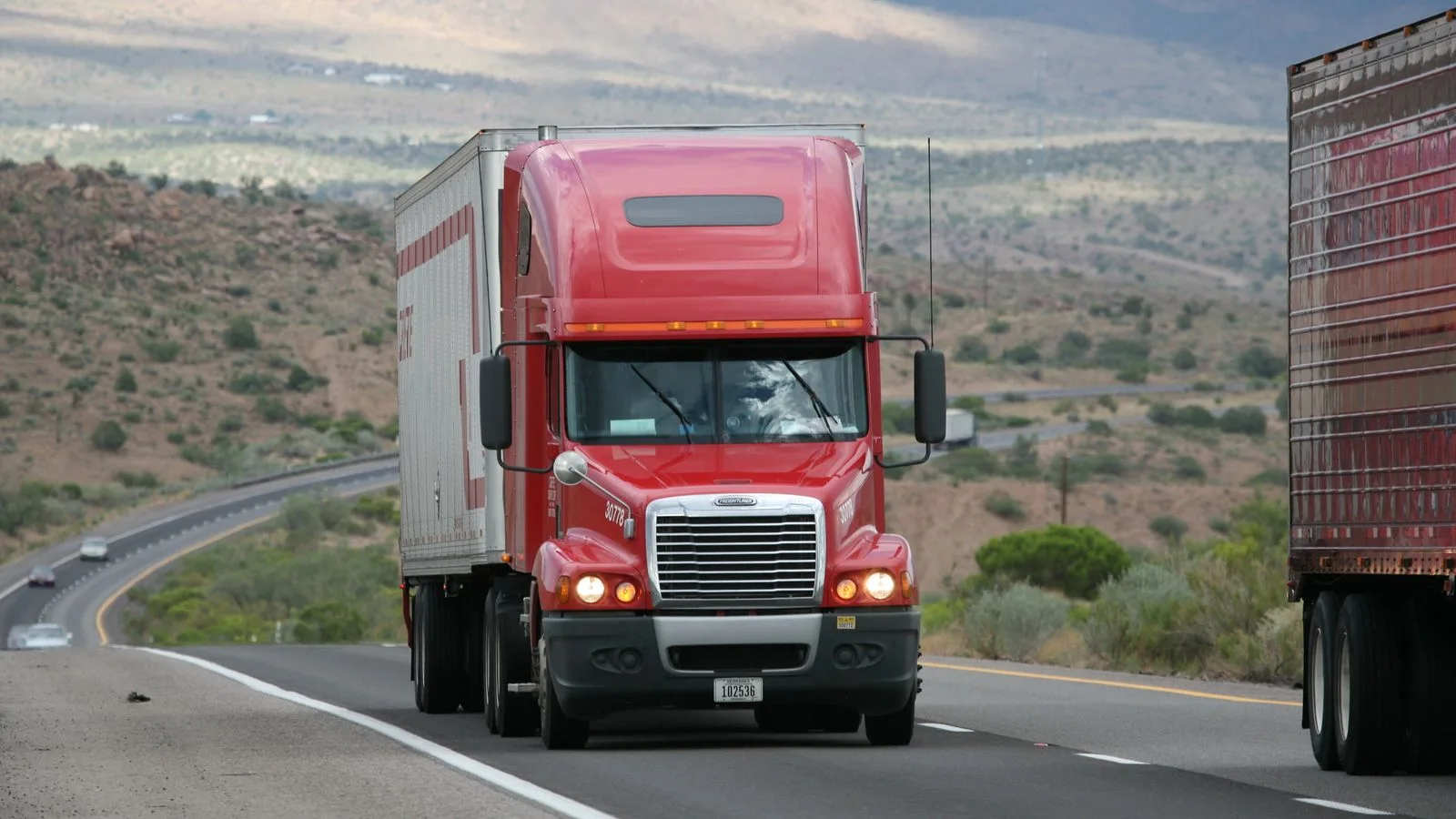
Fort Worth · Truck Accident
Fort Worth Truck Accident Lawyer
A commercial truck crash in Tarrant County is governed by a layered set of rules: federal safety regulations under 49 C.F.R. Parts 350–399 impose hours-of-service limits, inspection requirements, and driver-qualification standards on top of Texas tort law. Because I-35W, I-20, and Loop 820 are major freight corridors, these crashes involve motor carriers whose records — ELD logs, ECM data, maintenance files — are subject to spoliation risk within days of the collision. A Tarrant County suit may be filed in the civil district courts at the Tom Vandergriff Civil Courts Building, and a two-year statute of limitations under Section 16.003 applies. The carrier, not just the driver, bears liability under respondeat superior and can face direct claims for negligent hiring and supervision when the federal qualification file shows deficiencies.
Why Fort Worth cases are different
Fort Worth's economy leans harder on energy, logistics, and aviation than Dallas's, so a higher share of crashes involve commercial-fleet drivers, from oilfield-service vehicles to Alliance-corridor freight running north on I-35W toward the airport. We pursue 18-wheeler and commercial-vehicle claims for Tarrant County clients statewide from our Austin office.
Fort Worth freight corridors and commercial-vehicle crashes
Fort Worth carries more long-haul commercial traffic than the Dallas grid, and its energy-logistics-aviation economy puts more company vehicles on the road. I-35W moves Alliance-corridor freight north toward the airport alongside regional trucking and oilfield-service vehicles. I-20 along the southern edge runs a heavy truck-and-passenger mix, with frequent lane-change collisions near the I-35W and SH-360 interchanges. Loop 820 handles dense commercial traffic with a higher single-vehicle-loss rate than the radial routes. A loaded tractor-trailer weighs many times what a passenger car does, so the same merge or rear-end that bruises someone in a minor collision produces catastrophic injury here. Identifying the carrier, the trailer owner, the broker, and any shipper early matters, because a commercial case involves layers of corporate responsibility that a routine car crash does not, and the right defendant is often not the one whose name is on the cab.
FMCSA rules, ELD data, and employer liability
Interstate carriers running I-35W, I-20, and Loop 820 must follow the Federal Motor Carrier Safety Regulations, including hours-of-service limits that cap driving time to fight fatigue. Modern trucks log that activity on electronic logging devices, and the ELD data, the truck's ECM download, the driver qualification file, maintenance records on the tractor and trailer, and any onboard camera footage are often the most decisive evidence in the case. Carriers are not required to keep all of it indefinitely, so a written spoliation letter needs to go out in the first days, not the first weeks. Under Texas respondeat superior principles, a motor carrier is generally liable for its driver's negligence in the course of employment, and may also face direct claims for negligent hiring, training, and supervision. Commercial trucks carry far higher policy limits than passenger vehicles, which both raises the stakes and explains why carriers investigate aggressively from the first hours after a crash.
More in Fort Worth
Other ways we help Fort Worth injury victims.




Frequently asked
Fort Worth truck accident questions
- Commercial-vehicle crashes open a different evidence track than passenger-car claims. The carrier's ECM data, the driver's hours-of-service logs, the maintenance records on the tractor and trailer, and any onboard camera footage are preservable, but only if a spoliation letter goes out quickly. FMCSA rules also bring in independent duties on the company itself, such as hiring, training, and supervision, that can support a direct negligence theory against the carrier separate from the driver.
- Quickly. ELD hours-of-service data, the truck's ECM download, dashcam video, and maintenance records can be lost on routine retention cycles within weeks, and local surveillance footage near Fort Worth interchanges rarely survives beyond two to four weeks. A written preservation letter to the carrier should go out as soon as possible. The sooner counsel identifies the carrier and its insurer, the more of that decisive record survives to support your claim.
- Often yes. Under Texas respondeat superior, a carrier is generally liable for a driver acting within the course of employment. The carrier can also face direct liability for negligent hiring, training, supervision, or maintenance. Identifying every responsible party, including the carrier and any broker or shipper running the Alliance corridor or oilfield routes, matters because commercial policies carry the higher limits needed to cover serious injuries.
- Interstate carriers are governed by the Federal Motor Carrier Safety Regulations under 49 C.F.R. Parts 350–399, which include hours-of-service limits, pre-trip inspection requirements, and drug-and-alcohol testing. Texas DPS also enforces these standards under Tex. Transp. Code Chapter 644. A violation of any of these rules is evidence of negligence, and a pattern of violations can support an argument for exemplary damages if it rises to conscious disregard under Section 41.003.
- Two years from the date of the crash under Tex. Civ. Prac. & Rem. Code Section 16.003, the same statewide deadline that applies to all personal injury claims. However, the effective window for preserving the most valuable evidence — ELD logs, ECM data, driver qualification files — is measured in days and weeks, not years. The statute of limitations governs the lawsuit; the evidence preservation window governs whether you can actually win it.
- The 'independent contractor' label rarely insulates the motor carrier in commercial-trucking cases. Under 49 C.F.R. Section 376.12, a carrier whose operating authority is used for the trip generally remains liable regardless of how the driver-carrier relationship is characterized in the lease agreement. We investigate the full chain of custody — carrier, trailer owner, broker, and shipper — before accepting any characterization that would limit the responsible parties.
Where we work from
Downtown Austin. Fort Worth clients welcome.
Our office is in downtown Austin; we represent Fort Worth-area clients statewide and travel to Fort Worth for case-specific needs (scene visits, medical-records consultations, court appearances). Home and hospital visits when injuries make travel difficult.
Talk to a Fort Worth truck accident lawyer.
Free case review, no obligation. We'll tell you straight whether we can help.