
Huntsville · Truck Accident
Huntsville Truck Accident Lawyer
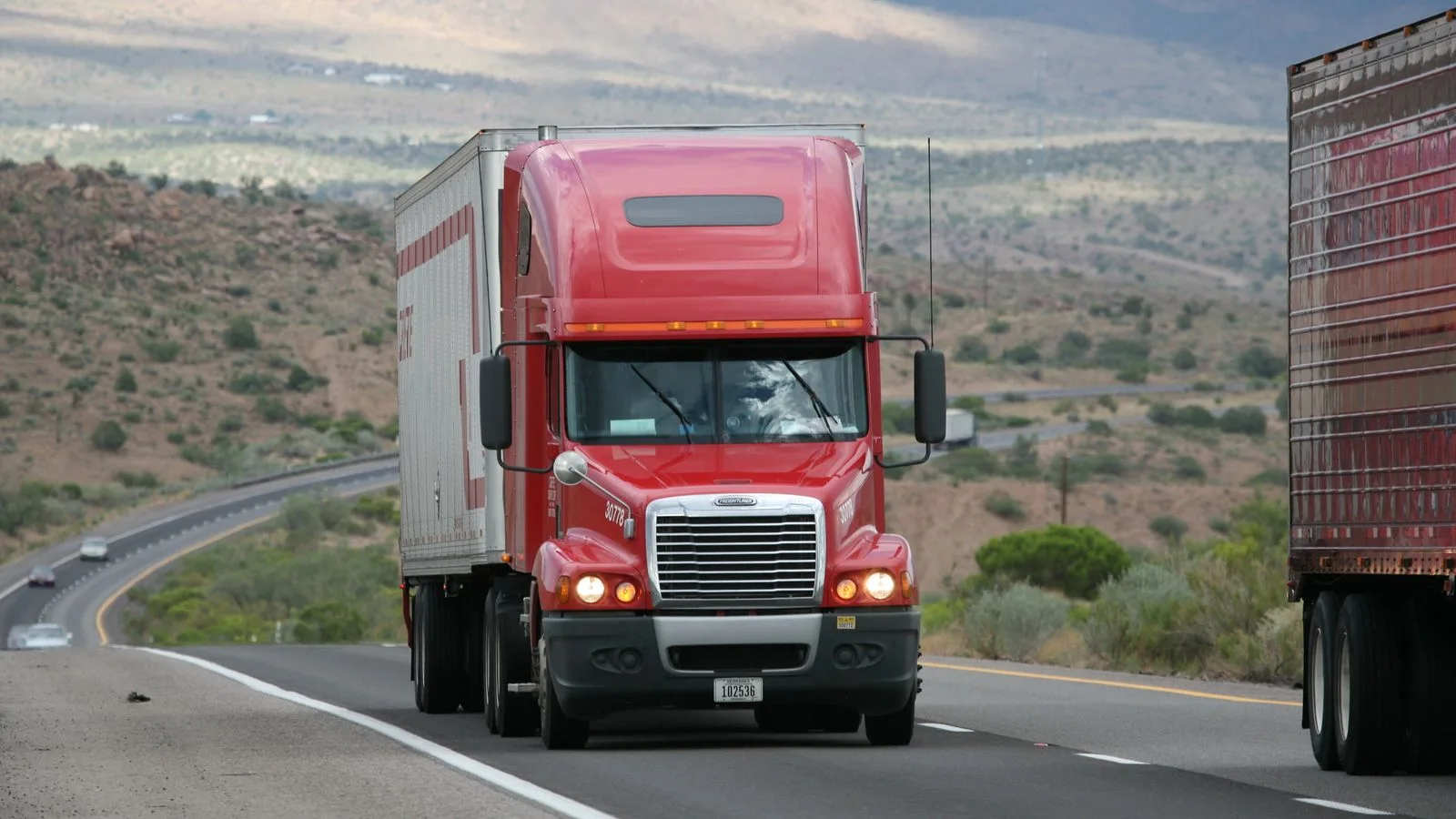
A commercial truck crash claim on the I-45 corridor through Walker County is governed by a layered regime: the Federal Motor Carrier Safety Regulations set hours-of-service, inspection, and qualification requirements for the carrier, while Texas respondeat-superior law pulls the trucking company in alongside its driver. The two-year statute of limitations under § 16.003 still controls, but the more urgent deadline is the evidence window: ELD logs, dashcam, and qualification files can overwrite in weeks. Most Huntsville truck cases are filed in Walker County district court, though out-of-state carrier defendants frequently test federal diversity removal to the Southern District of Texas.
Why Huntsville cases are different
The I-45 corridor through Walker County is one of the heaviest long-haul trucking segments in East Texas, moving freight between the Houston port-and-petrochemical complex and the DFW logistics belt, so commercial-vehicle files are a meaningful share of Huntsville intake, built very differently from a passenger-car claim.
FMCSA records and the data race after an I-45 truck crash
A collision with an 18-wheeler on I-45 between the SH-30 and SH-19 exits is built around federal evidence rather than the crash scene alone. Carriers operating commercial vehicles answer to the Federal Motor Carrier Safety Regulations, which require electronic logging devices, hours-of-service limits, driver-qualification files, and post-crash drug-and-alcohol screening. Much of that proof is electronic and overwrites on retention schedules, so preservation and spoliation letters need to reach the carrier — and, where a freight run is involved, the shipper — at intake. The truck's ELD data, dashcam, dispatch records, and EDR download all enter discovery, alongside any TxDOT or DPS traffic-camera and trooper footage from the corridor. The point is to lock the carrier's own records before they cycle out, because an hours-of-service or fatigued-driver violation often does more to establish liability than the physical evidence left on the interstate after the wreck is cleared.
Employer liability, commercial limits, and removal to Houston
When the at-fault vehicle is a commercial truck on a work run, the coverage picture is far larger than a personal auto policy. The carrier's commercial auto policy typically carries limits well above a Texas personal-policy minimum and frequently sits beneath an umbrella layer, and where a shipping contract contains indemnity terms, the shipper's coverage can be reached as well. The employer-of-record question is central: whose name is on the truck, who issued the dispatch, and who paid the driver all feed the vicarious-liability analysis, because the right defendant determines the available limits. Walker County's faster, smaller civil docket can favor a plaintiff, but many I-45 carriers are headquartered out of state, which makes federal diversity removal to the Houston Division of the Southern District of Texas a live prospect. The federal docket pace is materially different, and we evaluate that posture before filing rather than after.
More in Huntsville
Other ways we help Huntsville injury victims.





Frequently asked
Huntsville truck accident questions
- The carrier's electronic records cycle out on retention schedules: ELD hours-of-service data, dashcam video, GPS and dispatch logs, and the post-crash drug-and-alcohol screening. TxDOT and DPS traffic-camera and trooper body-cam footage from the corridor also has limited retention windows. We send preservation letters to the carrier, the shipper where a freight run is involved, and the relevant agencies at intake, before that evidence is overwritten and a spoliation argument becomes the only remedy.
- Not necessarily worth more, but the coverage available is usually larger. Commercial carriers carry policies well above the Texas personal-auto minimum and often an umbrella layer above that, and a freight contract can pull in the shipper's coverage. The injuries on the I-45 corridor also tend to be severe given the speeds and the size disparity. The value still turns on liability and damages, but the limits rarely cap a serious claim the way a minimum personal policy does.
- Be cautious. Carriers and their adjusters sometimes move fast to close a Walker County file before the full injury picture and the FMCSA records are developed. An early offer on the I-45 corridor frequently precedes the ELD review, the driver-qualification file, and the trauma follow-up that surfaces a disc or post-concussive injury. We do not recommend settling until liability evidence is preserved and the medical chronology, including any Houston trauma transfer, is complete.
- Both. Texas respondeat-superior law makes the motor carrier liable for the driver's negligence on a work run, and direct claims for negligent hiring, training, supervision, and retention are available against the company itself. For leased owner-operators, the carrier whose operating authority was used remains liable under federal regulations even when the driver holds an independent-contractor title. The goal is to reach the full commercial coverage stack, not just the driver's individual policy.
- Walker County district court draws from a smaller civil docket than Harris County, which can mean faster scheduling and a different jury pool, one shaped by the county's prison-economy and university demographics rather than a major metro. Out-of-state carrier defendants may seek federal diversity removal to the Southern District of Texas, placing the case on the Houston federal docket with its own timeline and discovery norms. We evaluate which venue posture best serves the client before filing.
- A crash involving a Texas Department of Criminal Justice vehicle, a state university fleet vehicle, or any government-owned truck brings the Texas Tort Claims Act into play. The TTCA imposes a six-month pre-suit notice requirement and caps recovery against the state at statutory limits. Huntsville's role as TDCJ headquarters means government-fleet exposure is higher here than in most Texas cities. We screen for state-defendant involvement at the first intake call.
Where we work from
Downtown Austin. Huntsville clients welcome.
Our office is in downtown Austin; we represent Huntsville-area clients statewide and travel to Huntsville for case-specific needs (scene visits, medical-records consultations, court appearances). Home and hospital visits when injuries make travel difficult.
Talk to a Huntsville truck accident lawyer.
Free case review, no obligation. We'll tell you straight whether we can help.