
Areas served
Huntsville Personal Injury Lawyer
Huntsville is the Walker County seat, the home of Sam Houston State University, and the administrative headquarters of the Texas Department of Criminal Justice. Serious injury filings out of Huntsville are heard in the Walker County district court at the courthouse downtown, which applies the standard Tex. Civ. Prac. & Rem. Code § 16.003 two-year limitations period and the Chapter 33 proportionate-responsibility framework that governs the rest of Texas. What makes Huntsville distinct is the I-45 north corridor, the primary route between Houston and Dallas, combined with a local economy built around the TDCJ prison system, university traffic, and a steady visitor flow tied to both the prison units and the SHSU campus.
I-45, SH-30, and the Huntsville collision pattern
Interstate 45 runs north-south through Walker County and is the heaviest collision corridor in the area. The stretch between the SH-30 and SH-19 exits carries one of the steadiest long-haul trucking loads in East Texas — freight moving between the Houston port-and-petrochemical complex and the DFW logistics belt — and the resulting truck-and-passenger-car mix produces a continuous file of rear-end, merge, and severe multi-vehicle collisions. SH-30 runs east-west through downtown Huntsville, connecting I-45 to the SHSU campus and the older residential core; it concentrates angle and left-turn crashes at the 11th Street, University Avenue, and Avenue M intersections. SH-75 (Sam Houston Avenue) is the historic main corridor and parallels I-45 through town, carrying overflow traffic and local commercial volume. FM-1374 and FM-2821 carry the prison-unit-related traffic — TDCJ employees commuting to the Huntsville Unit, the Goree Unit, and the Holliday Unit — and concentrate collisions during the shift-change windows.
Walker County district court and Huntsville venue analysis
Huntsville injury cases above the JP-court threshold are filed in Walker County district court at the courthouse downtown: the 12th and the 278th. The Walker County bench draws from a smaller civil docket than the urban Texas counties, and case timing can move faster as a result. Under Tex. Civ. Prac. & Rem. Code § 15.002, suit is proper where the events occurred or where the defendant resides, which for most Huntsville crashes points to Walker County. Cases involving the TDCJ, Sam Houston State University, or another state entity implicate the Texas Tort Claims Act and its six-month pre-suit notice requirement. For an I-45 collision involving a long-haul carrier headquartered out of state, federal diversity removal to the U.S. District Court for the Southern District of Texas is a live consideration, with the Houston federal docket pace materially different from Walker County state court.
The TDCJ system and its effect on local traffic and case mix
Huntsville's role as the administrative headquarters of the Texas prison system shapes the city in ways that show up in injury cases. The TDCJ Huntsville Unit downtown, known historically as 'the Walls', sits in the middle of the city, and seven additional prison units operate inside or near Walker County. The result is a daily commuter flow of correctional officers and TDCJ staff moving from outlying counties into Huntsville, a steady visitor stream from family members traveling to prison units along I-45 and the rural FM corridors, and a recurring case mix involving TDCJ employee vehicles, contractor vehicles supplying the units, and out-of-area visitors unfamiliar with the local road network. The prison economy supports a significant share of the workforce, which means the demographic profile of a Walker County jury reads differently from a Houston or Austin metro panel.
Local medical capacity and the trauma transport pattern
Huntsville Memorial Hospital is the primary local hospital and handles the bulk of moderate-acuity ER intake from Walker and the surrounding rural counties: Trinity, San Jacinto, Madison, and Grimes. For serious multi-system trauma, the established transport pattern is helicopter or ground transfer to a Level I trauma center in Houston, most often Memorial Hermann-TMC or Ben Taub, because the closest in-system trauma capacity is roughly seventy miles down I-45. That distance changes the medical chronology: the initial Huntsville Memorial chart is brief, the Houston trauma admission is the detailed inpatient record, and the follow-up care frequently routes back through Huntsville or to outpatient providers along the corridor. We integrate all three threads at intake. The documentation problem in lower-acuity cases is the standard one: a fast ER discharge misses the disc, labral, or post-concussive injury that surfaces at follow-up.
Huntsville practice areas
How we help Huntsville injury victims.

Huntsville Car Accident Lawyer
Learn more →

Huntsville Catastrophic Injury Lawyer
Learn more →

Huntsville Dog Bite Lawyer
Learn more →

Huntsville Motorcycle Accident Lawyer
Learn more →
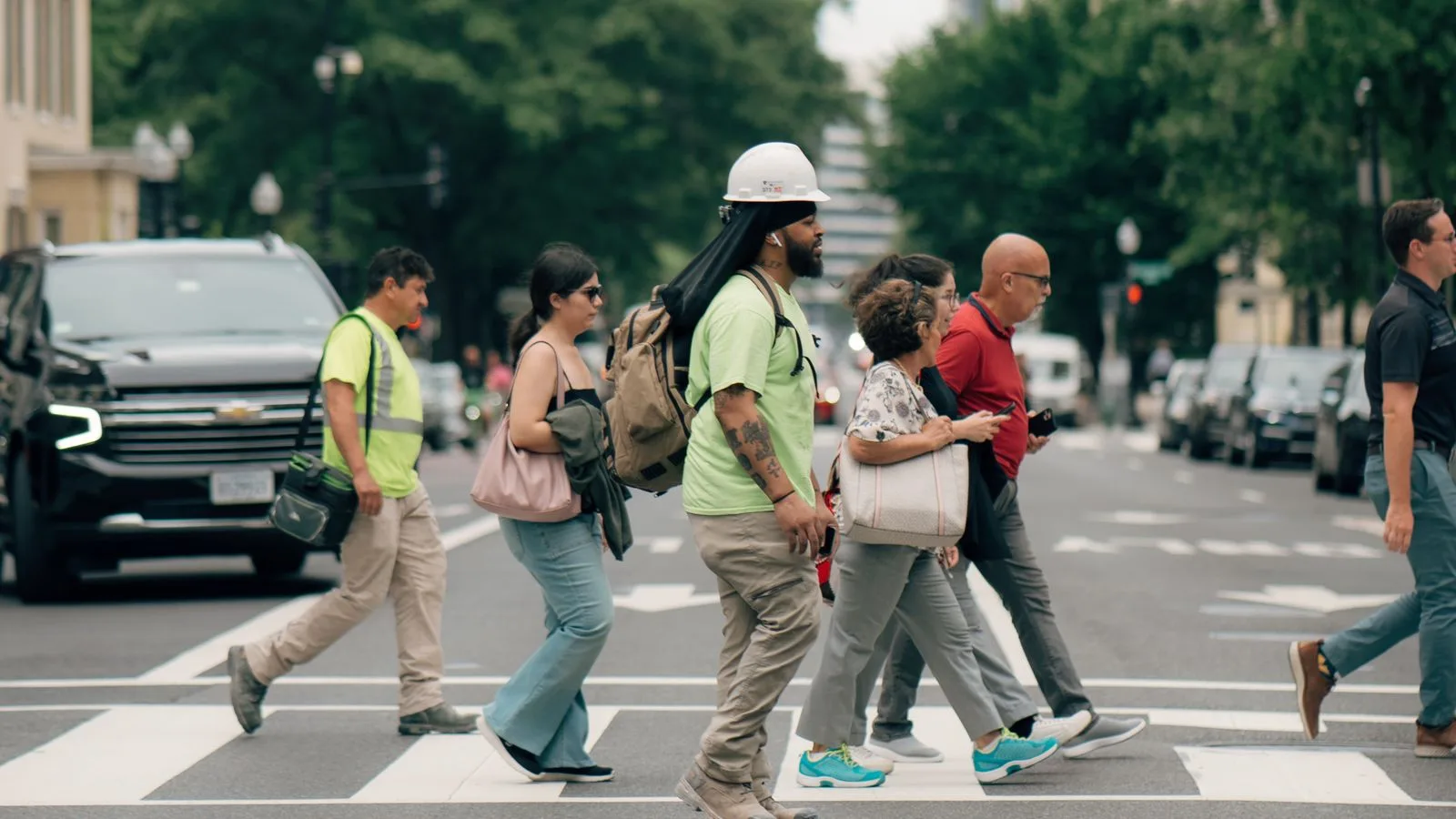
Huntsville Pedestrian Accident Lawyer
Learn more →

Huntsville Slip & Fall Lawyer
Learn more →

Huntsville Truck Accident Lawyer
Learn more →
Frequently asked
Questions Texas accident victims ask us
- Huntsville is the Walker County seat, so injury cases arising in the city are filed in Walker County district court at the courthouse downtown, one of the two civil district courts that hear personal injury matters. The specific court is assigned by random docket draw. If the case involves the TDCJ, Sam Houston State University, the City of Huntsville, or another governmental entity, the Texas Tort Claims Act applies with its pre-suit notice deadlines. Commercial cases involving out-of-state carriers can support federal diversity removal to the Southern District of Texas.
- The Houston-to-Dallas I-45 corridor through Walker County is one of the heaviest long-haul trucking segments in East Texas, and commercial-vehicle collisions here open up FMCSA driver-qualification records, ELD data, hours-of-service logs, post-crash drug-and-alcohol testing, and the carrier's safety record. Commercial auto policies typically carry limits well above a Texas personal-policy minimum and frequently sit beneath an umbrella layer. If the carrier is headquartered out of state, federal diversity removal to the Houston Division of the Southern District of Texas is a live possibility, and the federal docket pace is materially different.
- Not in terms of substantive Texas law. A crash on Texas roads while traveling to a prison visit is governed by the same negligence and damages framework as any other collision, and Walker County is the proper venue if the crash occurred in the county. The practical difference is that out-of-area visitors are often on unfamiliar roads, particularly the rural FM corridors leading to the more remote units, and the defense will sometimes argue unfamiliarity contributed. The crash report, GPS data, and signal timing usually settle that question on the actual facts.
- Cases involving a state-owned vehicle or a TDCJ employee acting in the course and scope of state employment implicate the Texas Tort Claims Act. The TTCA imposes a six-month pre-suit notice requirement and caps recovery against the state at statutory limits. The pre-suit notice deadline is the one that catches people — it runs much faster than the two-year limitations clock, and missing it can extinguish the claim against the state entirely. We screen for state-defendant exposure at intake.
- Yes. Texas substantive law governs because the injury occurred in Texas, and Walker County is the proper venue regardless of where you live or whether you remain enrolled at SHSU. We represent student clients routinely and the case continues normally if you leave Huntsville. Most of the work runs by phone, video, and email, and we coordinate in-person appearances around your schedule. Out-of-state insurance coverage analysis, including your parents' policy if applicable, happens at intake.
- Two years from the date of injury under Tex. Civ. Prac. & Rem. Code § 16.003. The statute is statewide; Walker County does not impose its own. Exceptions apply for minors and for claims against governmental entities: the Texas Tort Claims Act requires pre-suit notice within six months for the TDCJ, SHSU, the City of Huntsville, Walker County, or any other governmental defendant. The six-month notice clock is the deadline that catches people in Huntsville cases more than anywhere else, because the governmental-defendant exposure is unusually common here.
- The transfer pattern is standard for serious Walker County injuries because the closest Level I trauma capacity is roughly seventy miles down I-45 in the Texas Medical Center. The medical chronology then runs across three threads: the initial Huntsville Memorial chart, the Houston inpatient record (most often Memorial Hermann-TMC or Ben Taub), and the follow-up care back along the I-45 corridor or in your home community. We pull and integrate all three so the demand is anchored in a coherent record rather than a single hospital chart.
- Cap City represents Central and East Texas clients statewide and we travel to Walker County for scene visits, depositions, mediations, and court appearances. The case is filed in Walker County district court and we appear there. Local volume firms in this market run heavy intake on I-45 trucking cases and sometimes settle them at the commercial carrier's first reasonable offer because the file moves quickly. Our boutique caseload is the point: the attorney handling your file is the one who knows the I-45 corridor, the Walker County bench, and the Huntsville Memorial-to-Houston transfer chronology.
Let's talk about your case.
Free case review, no obligation. We'll tell you straight whether we can help.