

Leander · Catastrophic Injury
Leander Catastrophic Injury Lawyer
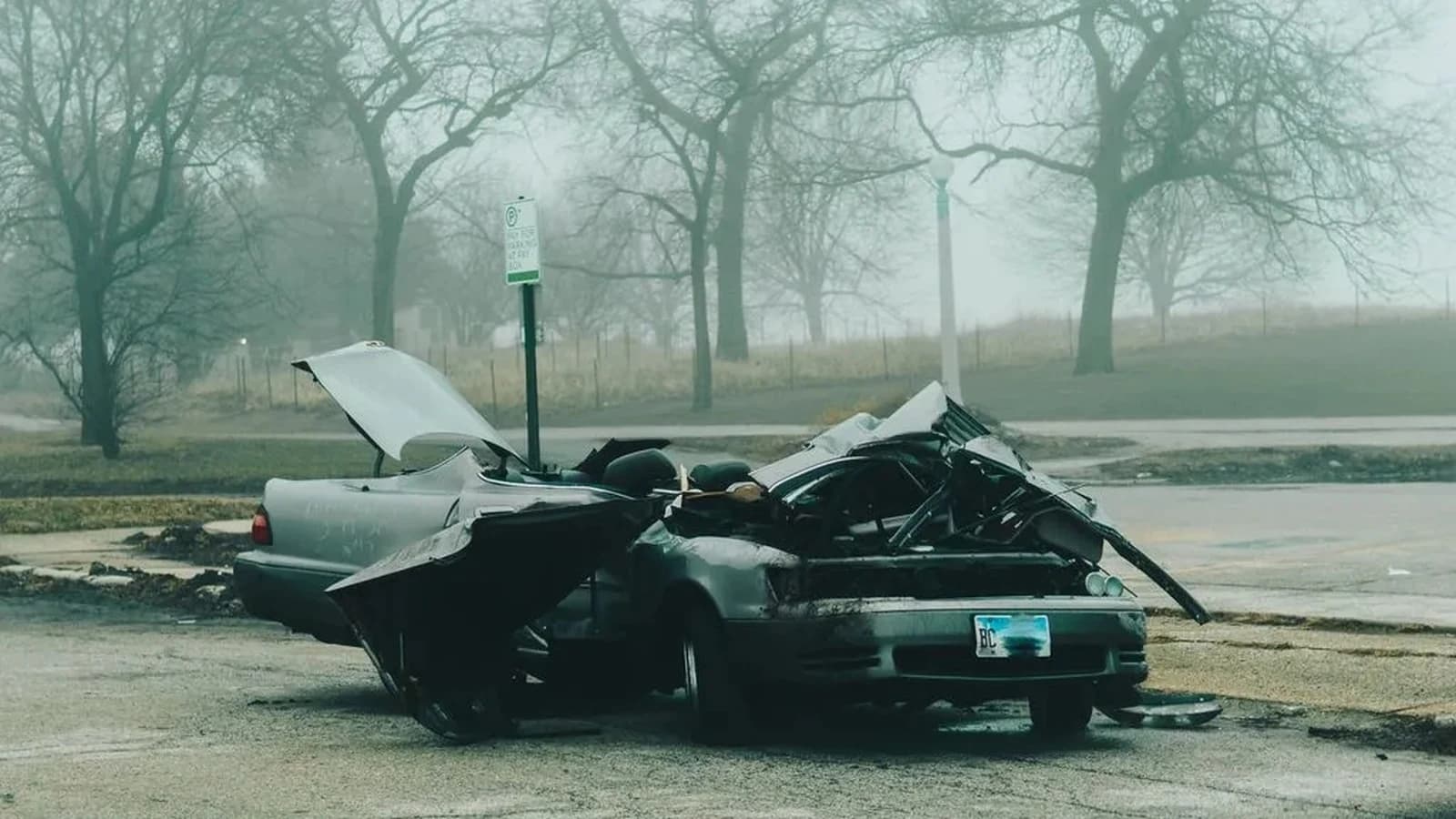
A catastrophic injury or wrongful death case in Leander involves an event so severe that the losses extend across a lifetime: permanent spinal cord injury, traumatic brain injury requiring residential care, or a family member's death. These cases arise from Leander's specific road hazards: the high-energy transition where US-183A toll traffic enters surface US-183 at highway speed, the agricultural-vehicle mix on rural US-183 north of town, and the extended EMS transport time to Cedar Park Regional, Ascension Seton Williamson, or Dell Seton in Austin. Texas's Wrongful Death Act (§ 71.004) and survival statute (§ 71.021) govern death claims, with cases filing in the Williamson County district courts in Georgetown, and a certified life-care plan and economist projection are required to capture the full value of the loss.
Why Leander cases are different
The wrecks that turn catastrophic in Leander share one feature: speed meeting geometry the corridor was not built for, where US-183A toll traffic hits surface US-183 at highway speed, producing spinal cord, brain, and fatal injuries that demand a different posture from an ordinary claim.
Why Leander geometry produces catastrophic outcomes
Catastrophic injury cases, spinal cord damage, traumatic brain injury, severe burns, and wrongful death, change the entire posture of a claim, and Leander's road network creates them in a specific way. The toll-to-surface transition on US-183 carries vehicles from limited-access speed into at-grade intersections, and a high-energy left-turn or rear-end collision there can mean permanent paralysis or a brain injury rather than a recoverable soft-tissue case. The longer EMS transport to Cedar Park Regional, Ascension Seton Williamson, or, for major trauma, Dell Seton in downtown Austin, the regional Level I center, means the first decisive hour often plays out in the ambulance. That transport timing becomes part of both the outcome and the medical chronology, and we document the triage and diversion decisions carefully because the defense will probe them.
Future medicals, life-care planning, and finding every layer of coverage
A catastrophic case is valued on a lifetime, not a hospital stay. We work with life-care planners, treating physicians, and economists to project decades of medical care, attendant and rehabilitation needs, home and vehicle modification, lost earning capacity, and the human losses the law recognizes. Because the at-fault driver's policy is almost never enough for an injury of this magnitude, the recovery depends on finding every available layer: the at-fault personal policy, your own underinsured-motorist coverage, any commercial policy if a work vehicle was involved, and any other responsible party. A Leander catastrophic file also files in the Williamson County district courts in Georgetown, where knowing the bench matters in a high-stakes case, and we build the demand on the corrected liability picture and the complete future-care projection rather than the carrier's opening number.
More in Leander
Other ways we help Leander injury victims.




Frequently asked
Leander catastrophic injury questions
- Because it is valued over a lifetime. Spinal cord, brain, severe burn, and wrongful-death cases involve permanent impairment, decades of medical care, and lost earning capacity that an ordinary settlement framework cannot capture. The work involves life-care planners and economists, not just medical bills, and the stakes mean carriers fight hard on both liability and damages. The case has to be built for trial from the start, even when it ultimately settles.
- No, but it requires layering coverage. A minimum or modest policy will not cover a catastrophic injury, so the recovery usually depends on stacking sources: your own underinsured-motorist coverage, any commercial policy if a work vehicle was involved on US-183, a household resident's policy, and any other liable party. We map every available layer at intake, because on a Leander high-energy crash the single named policy is rarely the ceiling of what is actually recoverable.
- Because Leander has no full-service hospital, the nearest trauma care is ten to twenty miles south, and serious cases are routed to Dell Seton in Austin. That transport time can affect outcomes and becomes part of the medical chronology. The defense sometimes tries to use the timing against the claim, so we document the EMS triage and diversion decisions precisely, keeping the focus on the crash that caused the injury rather than the geography that delayed care.
- Under Tex. Civ. Prac. & Rem. Code § 71.004, the surviving spouse, children, and parents of the deceased have standing to bring a wrongful death claim. Siblings, unmarried partners, and other relatives do not have a direct wrongful death claim under the statute. A separate survival claim under § 71.021 belongs to the estate and preserves any damages the decedent could have claimed before death, including pre-death pain and suffering and medical expenses.
- A life-care plan is a detailed, expert-prepared projection of the medical, rehabilitative, and support services a catastrophically injured person will require for the rest of their life, typically prepared by a certified rehabilitation specialist working with the treating physicians. For a spinal cord or severe brain injury arising from a Leander US-183 crash, the lifetime cost profile can be multiples of the initial hospitalization. Without a life-care plan in evidence, the demand has no credible foundation for the future-care portion of damages, and carriers use that gap to minimize recovery.
- Yes, if the conduct rises to gross negligence. Under Tex. Civ. Prac. & Rem. Code § 41.003, a claimant must prove by clear and convincing evidence that the defendant's act or omission involved an extreme degree of risk and that the defendant was consciously indifferent to the rights and safety of others. A carrier that continued operating a truck with a known brake deficiency, falsified hours-of-service logs, or repeatedly ignored maintenance warnings can satisfy that standard. Exemplary damages are capped under § 41.008 but can materially increase the overall recovery on a properly developed file.
Where we work from
Downtown Austin. Leander clients welcome.
Our office is in downtown Austin; we represent Leander-area clients statewide and travel to Leander for case-specific needs (scene visits, medical-records consultations, court appearances). Home and hospital visits when injuries make travel difficult.
Talk to a Leander catastrophic injury lawyer.
Free case review, no obligation. We'll tell you straight whether we can help.