
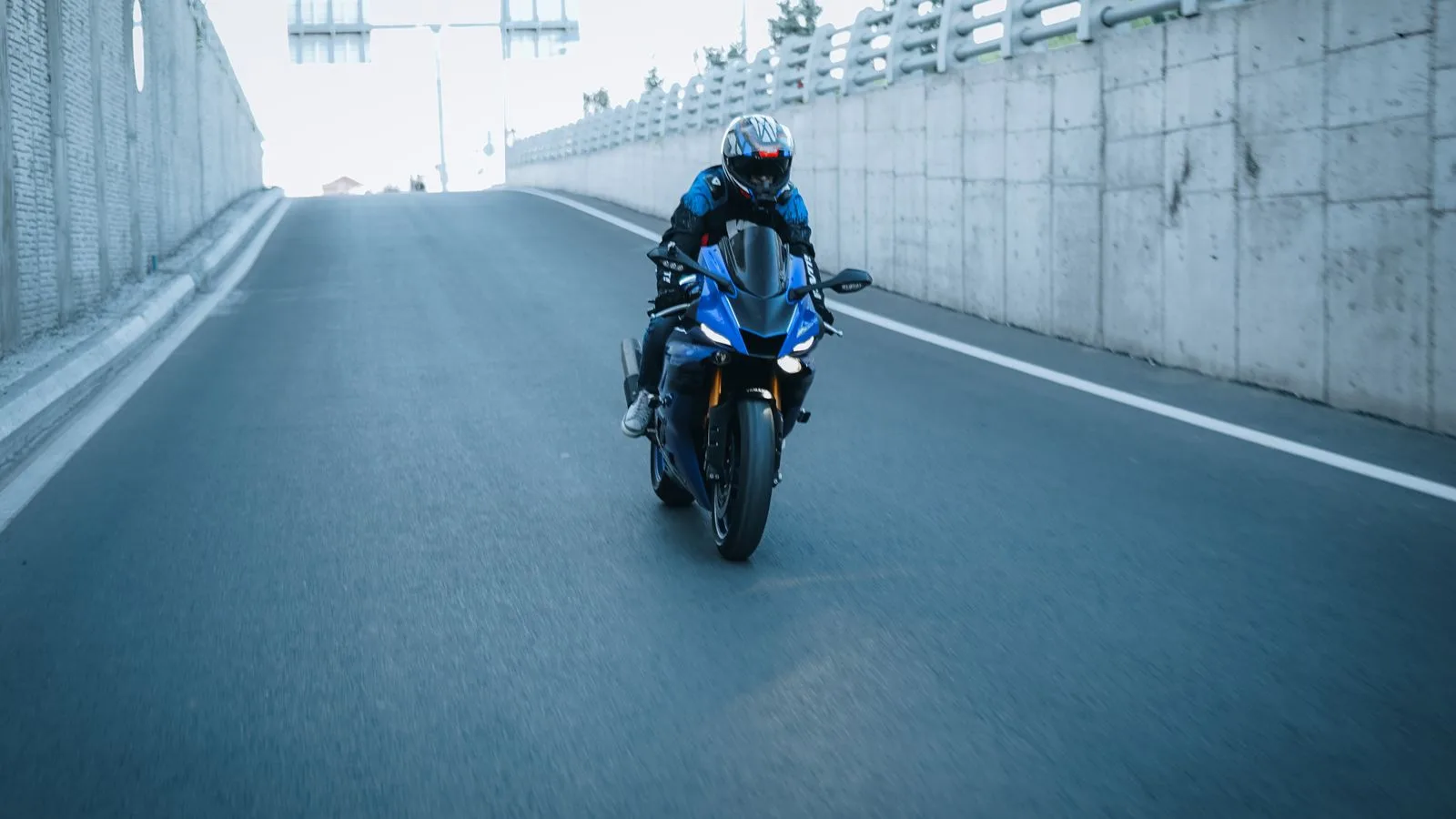
Leander · Motorcycle Accident
Leander Motorcycle Accident Lawyer
A motorcycle accident claim in Leander arises when a motor vehicle strikes a rider on a Texas road, most commonly at an at-grade intersection on the surface stretch of US-183 north of the toll changeover or along the left-turn-heavy RM-1431 corridor. Texas follows fault-based negligence rules, not no-fault, meaning the rider's recovery depends on proving the other driver's breach of a duty of care such as failing to yield right-of-way on a left turn. Injuries tend to be severe because there is no surrounding vehicle structure to absorb the collision, and courts apply the same two-year limitations period under Tex. Civ. Prac. & Rem. Code § 16.003 with cases filing in Williamson County district courts in Georgetown.
Why Leander cases are different
Leander riders run a corridor that punishes them twice: the surface stretches of US-183 north of town carry at-grade intersections and dim agricultural turn-offs, while RM-1431 toward Cedar Park is a high-volume left-turn arterial, and both produce the classic crash that leaves a rider badly hurt.
Left-turn and intersection crashes on the 183 surface stretch
The most common serious motorcycle wreck in Leander is the left-turn collision, and the firm's intake reflects it directly: a driver looking for a gap in traffic that is not there turns left across an oncoming rider's path at a flashing-yellow signal on a surface stretch of US-183 north of town. At the closing speeds those rural intersections allow, the result is catastrophic. Texas law gives the rider proceeding lawfully through the intersection the right-of-way, and the negligent turning driver bears the fault, but the carrier's first move is almost always to suggest the rider was speeding or splitting attention. We counter that with the vehicle data, the TxDOT signal-timing records, and the witnesses who stopped to help, because the surface corridor lacks the camera coverage of the toll road and the human record carries the case.
Rider bias and the road hazards unique to the corridor
Insurers and juries carry a quiet bias against motorcyclists, an assumption that the rider was reckless simply for being on two wheels. Defeating that bias is part of the job in every Leander motorcycle file, and we do it by documenting the rider's lawful speed, lane position, and gear. The corridor itself adds hazards a car driver shrugs off but a rider cannot: the fall and winter fog on the rural sections of US-183, deer crossing the open ranchland stretches at dusk, gravel and debris washing onto the surface highway from the agricultural turn-offs, and the abrupt geometry change where the toll road ends. Each of these can be the real cause of a single-vehicle crash or a contributing factor a defendant will try to pin entirely on the rider. We develop the road-condition evidence early so it is not lost.
More in Leander
Other ways we help Leander injury victims.


Frequently asked
Leander motorcycle accident questions
- It usually hurts the driver, not you. A motorist's duty includes keeping a proper lookout, and failing to see a visible, lawfully proceeding rider is itself a form of negligence. On a left-turn crash at a US-183 surface intersection, the turning driver who did not see oncoming traffic generally bears the fault. We use that admission, the signal-timing data, and witness accounts to fix responsibility where it belongs rather than letting it become an excuse.
- Texas does not require helmets for many adult riders, and the absence of one does not bar your claim. A defendant may argue it contributed to head-injury severity, which can affect a portion of the damages under comparative fault, but it does not excuse the driver who caused the crash. The liability fight stays on who failed the right-of-way or lookout duty, and we keep the focus there rather than on the helmet question.
- Those cases are harder but not hopeless. On the rural stretches north of Leander, gravel washing from agricultural driveways or a deer at dusk can cause a genuine single-vehicle crash. If a property owner or contractor negligently dumped debris onto the roadway, that can support a claim, though deer strikes typically do not. We investigate the road condition and any maintenance or construction activity quickly, before the scene changes.
- Yes. RM-1431, known locally as Whitestone Boulevard, runs east-west through south Leander and carries high volumes of left-turn traffic toward Cedar Park. The same left-turn failure-to-yield pattern that causes crashes on US-183 surfaces regularly on RM-1431, and we approach the liability analysis the same way: TxDOT signal records, witness statements, and the vehicle's own data. The difference is that RM-1431 is more suburban in character, so business surveillance cameras are more likely to exist.
- Yes, significantly. Surgical injuries require a complete medical chronology from the first ER visit through each procedure and the rehabilitation phase, because the demand has to capture the full cost of care, not just the initial bill. Cedar Park Regional and Hill Country orthopedic and spine groups along the RM-1431 corridor handle most post-acute care for Leander riders, and we work with those providers to document the treatment course accurately. Future care needs, including hardware removal or revision surgery, are projected into the demand as well.
- Two years from the date of injury under Tex. Civ. Prac. & Rem. Code § 16.003, filing in the Williamson County district courts in Georgetown. That deadline is statewide and does not change based on the road or municipality involved. If a government vehicle or road condition contributed to the crash, the six-month pre-suit notice requirement under the Texas Tort Claims Act is a more immediate deadline that cannot be extended.
Where we work from
Downtown Austin. Leander clients welcome.
Our office is in downtown Austin; we represent Leander-area clients statewide and travel to Leander for case-specific needs (scene visits, medical-records consultations, court appearances). Home and hospital visits when injuries make travel difficult.
Talk to a Leander motorcycle accident lawyer.
Free case review, no obligation. We'll tell you straight whether we can help.