
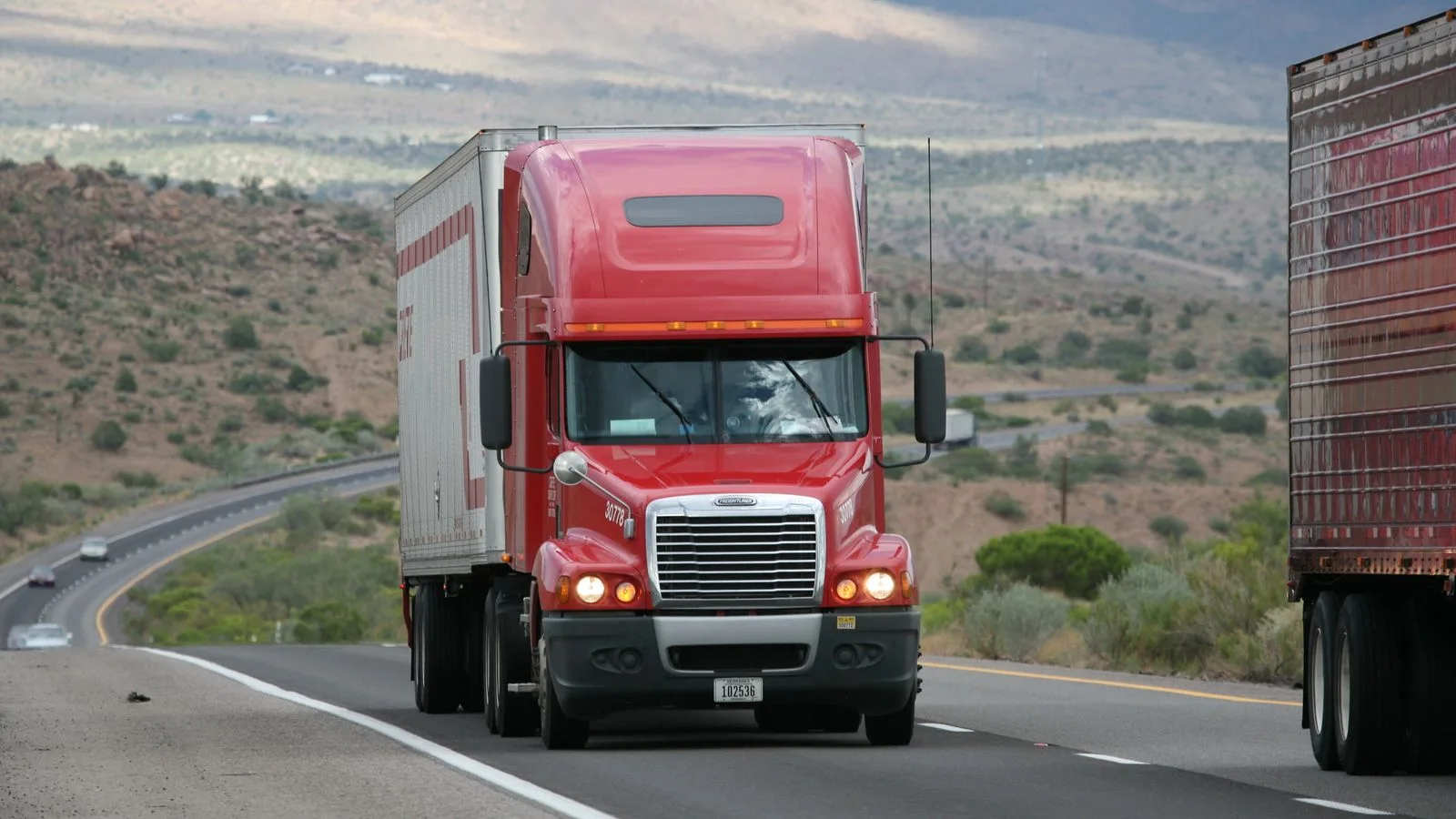
Plano · Truck Accident
Plano Truck Accident Lawyer
A commercial truck accident claim in Plano involves a crash with an 18-wheeler or heavy commercial vehicle on freight corridors like the Sam Rayburn Tollway or the Dallas North Tollway, governed by both Texas negligence law and the Federal Motor Carrier Safety Regulations (49 C.F.R. Parts 350-399). The motor carrier, not just the driver, can be liable for violations such as hours-of-service fatigue, failed pre-trip inspections, or improper cargo loading. Suits are filed in Collin County district court at the Russell A. Steindam Courts Building in McKinney under Tex. Civ. Prac. & Rem. Code § 16.003's two-year limitations period, but the practical evidence window is far shorter because electronic logging and fleet-telematics data rotate out of motor-carrier systems within weeks. Plano's concentration of corporate headquarters means deliveries into Legacy West and Granite Park corridors frequently involve company-fleet vehicles that add employer-respondeat-superior exposure alongside the driver.
Why Plano cases are different
The Sam Rayburn Tollway and Dallas North Tollway thread commercial freight along Plano's edges and into the Legacy West and Granite Park employment corridors. With Toyota, JCPenney, and Frito-Lay headquartered here, truck and fleet cases carry a federal regulatory layer and corporate-defendant stakes that ordinary car claims do not.
FMCSA rules and the evidence that decides commercial-vehicle files
Eighteen-wheelers and commercial box trucks moving along SH-121, the Dallas North Tollway, and US-75 operate under the Federal Motor Carrier Safety Regulations. Electronic logging devices record hours-of-service compliance, and fatigue-driven crashes in the higher-speed tollway lanes often trace back to log violations. The proof that decides these cases — ELD data, the driver-qualification file, maintenance and inspection records, dispatch and routing logs, and onboard telematics — sits with the motor carrier and rotates on short retention cycles. A spoliation-grade preservation letter in the first days is essential, because a carrier will not hold this data for the injured party voluntarily. Plano's corporate freight adds a second layer: deliveries into the Legacy West and Granite Park corridors generate dispatch and route records that tie a particular driver to a particular run, and those records are what confirm course and scope of employment when liability is contested.
Employer liability and why commercial limits change the posture
When a driver is operating in the course and scope of employment, the motor carrier is vicariously liable for the driver's negligence under Texas respondeat-superior principles, and direct claims for negligent hiring, training, supervision, and entrustment can attach to the company. Plano's headquarters concentration means a higher share of crashes involve company-owned or leased fleet vehicles, which brings corporate commercial-auto coverage, frequently $1,000,000 or more, into play and a defense team that mobilizes at once. That matters in Collin County, widely viewed as one of the more defense-leaning jury pools in the metro. The response is to overbuild the file: full federal-record and fleet-telematics production, accident reconstruction, and treating-physician future-care projections that make the damages impossible to dismiss as inflated. Against a corporate defendant, settlement leverage depends more on the documentary build than it does in Dallas or Travis.





Frequently asked
Plano truck accident questions
- Commercial trucks are governed by federal FMCSA rules, so electronic logging device data, hours-of-service records, and maintenance files come into play, and the motor carrier can be liable alongside the driver. Policy limits are far higher, which draws an aggressive defense. With Plano's fleet and corporate-freight exposure, early preservation and a fully built file matter more than in a typical corridor fender-bender.
- Quickly. Electronic logging and fleet-telematics data rotate on short retention cycles, and roadside camera footage along US-75 and the tollways typically overwrites within weeks. A formal preservation letter to the carrier and to footage holders in the first days is the only reliable way to lock down hours-of-service logs, dispatch records, and dashcam video before they age out.
- Often yes. If the driver was working within the scope of employment, the company is vicariously liable for the driver's negligence, and you may also have direct claims for negligent hiring, training, supervision, or entrustment. Identifying the right corporate defendant early also matters for venue, since a carrier based outside Collin County can open alternative filing options under Section 15.002.
- It depends on the vehicle's gross weight rating and what the driver was doing. Vehicles above 10,001 lbs operating in interstate commerce fall under federal regulations regardless of how the company labels the job. Even where FMCSA does not fully apply, the corporate employer still faces respondeat-superior and direct-negligence exposure, and fleet telematics, driver-qualification files, and dispatch records remain critical preservable evidence. We evaluate the vehicle class and the regulatory picture at intake.
- Gross negligence under Tex. Civ. Prac. & Rem. Code § 41.001(11) requires showing the defendant's act or omission involved extreme risk and that the company was consciously indifferent to that risk. Falsified hours-of-service logs or a documented pattern of ignored maintenance violations can meet that standard. A gross-negligence finding opens the door to exemplary damages under § 41.003, which changes the settlement calculus significantly against a well-insured commercial defendant.
- Potentially yes. Under 49 C.F.R. § 376.12, a carrier operating under its own authority remains liable for a leased owner-operator's conduct regardless of the independent-contractor label. Texas negligent-entrustment claims can also apply where the carrier exercised control over how the driver operated. These theories require case-specific analysis, but the independent-contractor designation is not automatically a shield for the motor carrier.
Where we work from
Downtown Austin. Plano clients welcome.
Our office is in downtown Austin; we represent Plano-area clients statewide and travel to Plano for case-specific needs (scene visits, medical-records consultations, court appearances). Home and hospital visits when injuries make travel difficult.
Talk to a Plano truck accident lawyer.
Free case review, no obligation. We'll tell you straight whether we can help.