
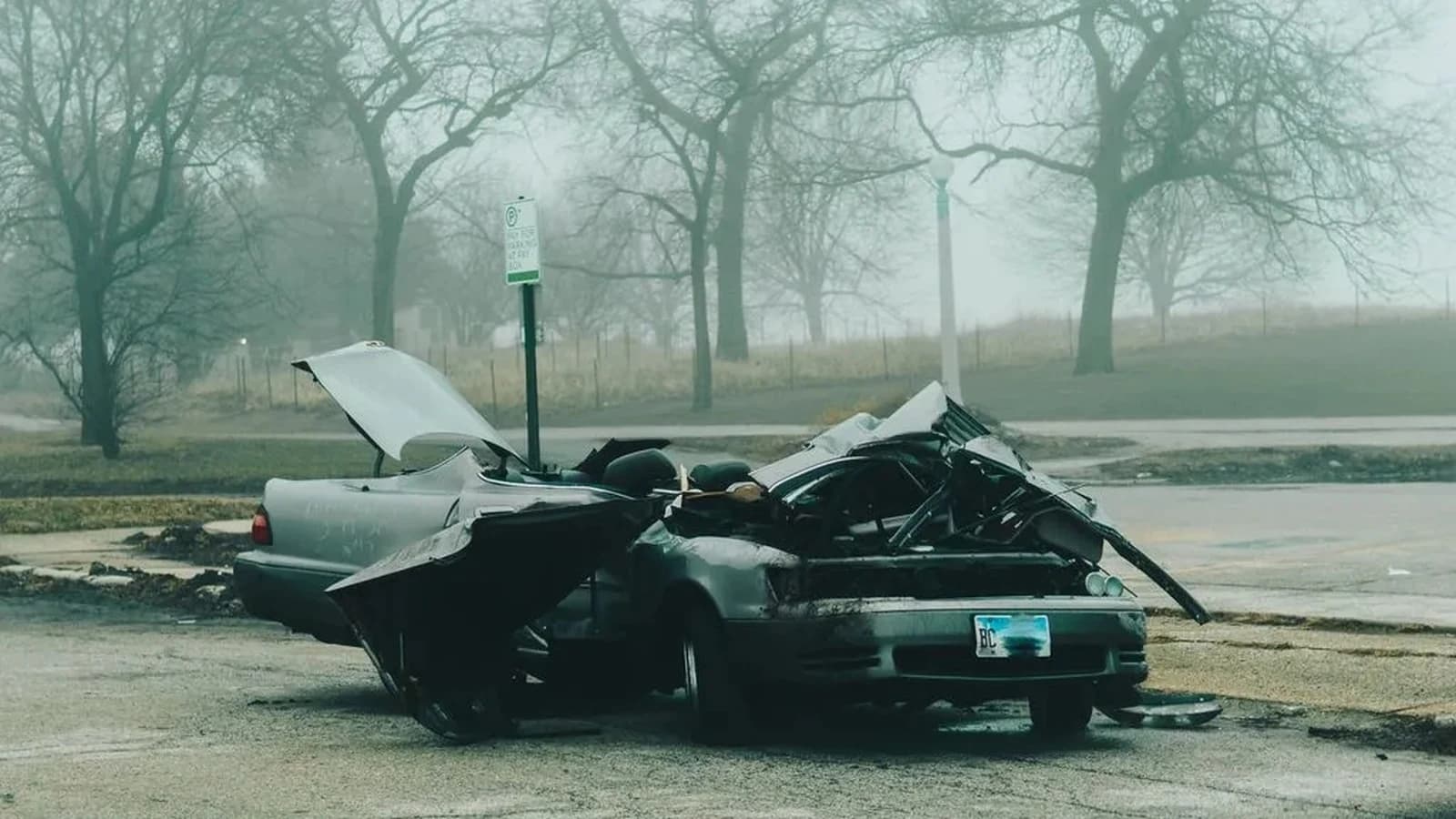
Plano · Car Accident
Plano Car Accident Lawyer
A car accident claim in Plano is a personal injury case arising from a collision on roadways like US-75 Central Expressway or the Sam Rayburn Tollway, governed by Texas modified comparative fault under Tex. Civ. Prac. & Rem. Code § 33.001. A claimant who is 51 percent or more at fault recovers nothing; any award is reduced by the percentage of fault assigned to the claimant. Suits are filed at the Russell A. Steindam Courts Building in McKinney, where Collin County civil district courts draw filings by random assignment. The two-year limitations period under § 16.003 runs from the date of injury, and evidence on Plano's commute corridors — dashcam footage, signal cameras, event-data-recorder downloads — overwrites quickly.
Why Plano cases are different
Plano's daily crash volume concentrates on US-75 Central Expressway between Spring Creek Parkway and Legacy Drive, where peak congestion drives a heavier rear-end pattern than most Collin County stretches. With suits filed in McKinney, a precisely documented fault picture is what holds value in a Texas car-accident claim.
Proportionate responsibility on Plano's commute spine
US-75 through Plano is a stop-and-go deceleration field at both rush windows, and rear-ends in the Spring Creek Parkway-to-Legacy Drive segment are the recurring fact pattern. The Sam Rayburn Tollway along the southern edge runs at higher posted speeds with a denser commercial mix, producing lane-change and sideswipe collisions, while the Dallas North Tollway feeds merge and exit-ramp crashes around Legacy West. Texas applies modified comparative fault under Tex. Civ. Prac. & Rem. Code Section 33.001: a plaintiff found more than 51% at fault recovers nothing, and any award is reduced by the assigned share. Carriers lean on that rule to push percentage points onto the injured driver, especially in merge and lane-change disputes where positioning is contested. Pulling event-data-recorder downloads, dashcam and signal footage, and a clean reconstruction early is how the proportionate-responsibility number stays where the facts put it.
UM/UIM coverage when the at-fault driver is underinsured
Plano draws commuters from across the northern metro onto US-75 and the tollways, so a meaningful share of corridor crashes involve drivers carrying thin Texas minimum limits or out-of-state coverage. When the at-fault policy cannot cover the harm, your own uninsured/underinsured-motorist coverage often becomes the real source of recovery. UM/UIM is first-party coverage you already pay for, but Texas carriers still treat these as adversarial claims and demand the same proof of liability and damages as a third-party file. Surface-street left-turn collisions at the busy signals on Preston Road, Plano Parkway, and Legacy Drive raise the same issue when the turning driver is uninsured. We identify every applicable policy at intake, stack coverage where Texas law permits, and build the claim so the carrier cannot understate the value or shift fault to fit a lower payout.


Frequently asked
Plano car accident questions
- Usually the following driver carries most or all of the fault in a rear-end, but Texas comparative fault under Section 33.001 lets the insurer argue you contributed by braking abruptly or changing lanes in the US-75 backup. Event-data-recorder data and signal footage typically settle the question, which is why we preserve it before it overwrites.
- When the at-fault driver carries thin or expired limits, your own uninsured/underinsured-motorist coverage often becomes the path to recovery. It is first-party coverage you paid for, but the carrier still treats it adversarially and demands full proof of liability and damages. We identify and stack every applicable policy at intake so the available coverage is not left on the table.
- Two years from the crash date under Tex. Civ. Prac. & Rem. Code Section 16.003, the same statute in every Texas county. Different rules apply to minors and to claims against government entities. Treat two years as a firm deadline, but contact a lawyer far earlier so US-75 and tollway signal footage is preserved before it cycles out.
- It can significantly increase the available recovery. When an employee drives a company-owned vehicle in the course of employment, the employer is typically vicariously liable under respondeat superior, and the corporate commercial-auto policy, often well above the minimum, comes into play. Preserving the vehicle's fleet telematics and the driver-qualification file early is important before those records rotate out.
- Liability at a signalized intersection turns on signal phasing, dashcam footage, and witness accounts. City-operated signal cameras at major Preston Road crossings may have captured the event, but that footage overwrites on a short cycle. Sending a preservation request immediately is the most important first step; after that, the signal-timing data and any nearby commercial-property feeds usually establish who had the right of way.
- No, not without speaking to a lawyer first. A recorded statement to the adverse carrier is used to lock you into an account of the crash before the full injury picture is known and before you have reviewed the police report, signal footage, or medical records. Texas law does not require you to provide one to the at-fault driver's insurer. Declining costs you nothing and preserves your negotiating position.
Where we work from
Downtown Austin. Plano clients welcome.
Our office is in downtown Austin; we represent Plano-area clients statewide and travel to Plano for case-specific needs (scene visits, medical-records consultations, court appearances). Home and hospital visits when injuries make travel difficult.
Talk to a Plano car accident lawyer.
Free case review, no obligation. We'll tell you straight whether we can help.