
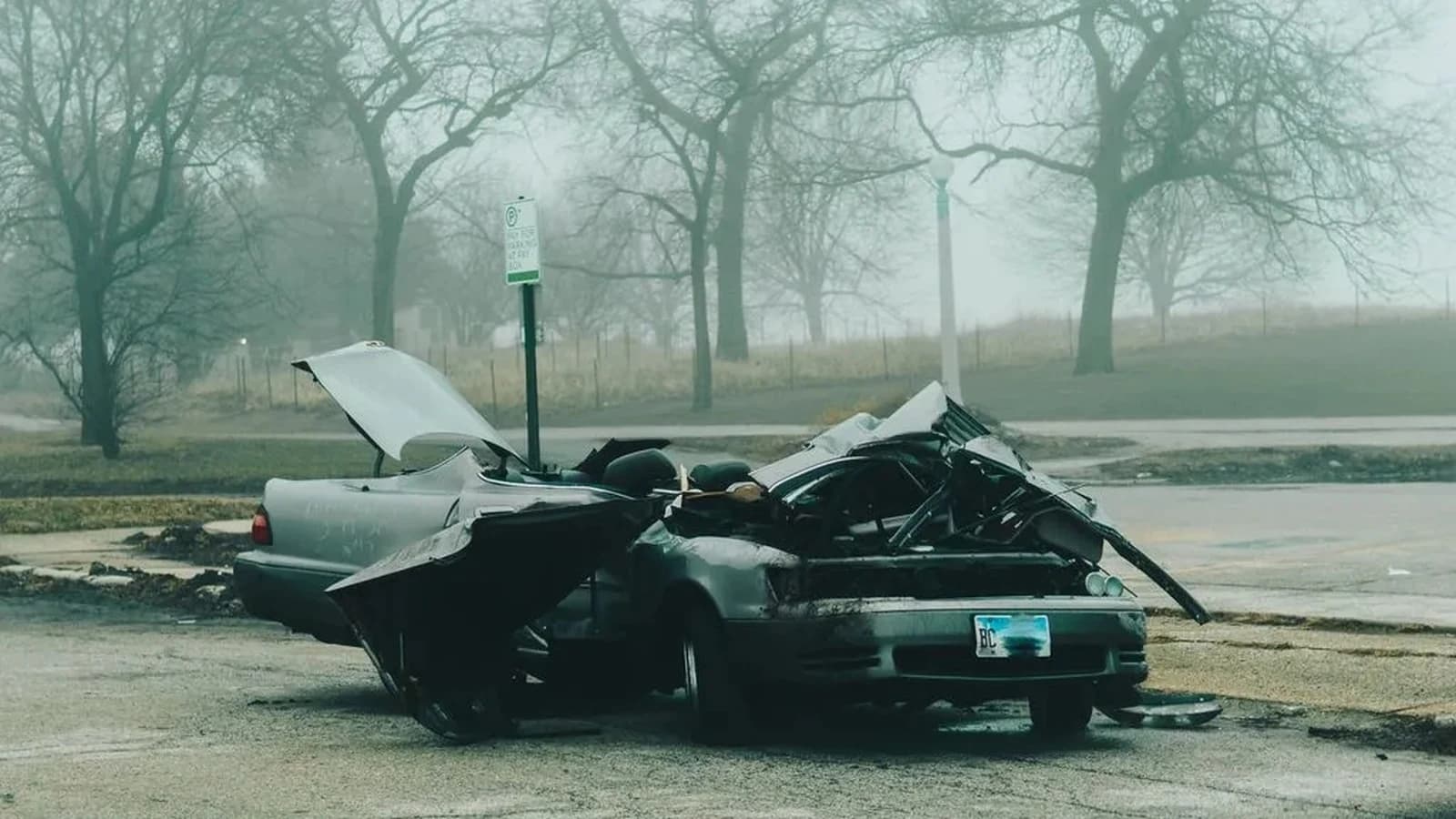
San Marcos · Car Accident
San Marcos Car Accident Lawyer
A car accident claim in San Marcos is a personal injury case arising from a collision on the city's roads, most commonly on the I-35 mainlanes and frontage roads or on RR-12 west toward Wimberley. Texas applies a modified comparative fault rule: if you are fifty percent or less at fault, you may recover, but your damages are reduced by your share of responsibility, and anyone found more than fifty percent at fault recovers nothing. Claims file in the Hays County district courts on the downtown square and must be brought within two years under Tex. Civ. Prac. & Rem. Code § 16.003. The student and river-tourism population that flows through San Marcos means a meaningful share of at-fault drivers carry minimum limits or no coverage at all, making UM/UIM analysis a standard step in every intake.
Why San Marcos cases are different
Most San Marcos crash intake traces to the I-35 corridor between the Yarrington Road interchange and the Texas State exits, where frontage-road U-turns and a heavy university-population mix create a collision pattern the suburbs to the north do not share. A San Marcos crash files in the Hays County district courts on the downtown square.
How fault is divided after an I-35 or RR-12 wreck
Texas resolves crash liability under the Chapter 33 proportionate-responsibility framework, which assigns a percentage of fault to every party and bars recovery entirely if you are found more than fifty percent responsible. On the I-35 mainlanes and the frontage-road U-turn approaches near the LBJ Drive and Aquarena Springs Drive exits, the contested questions are usually following distance, lane-change timing, and who controlled the merge. On RR-12 heading toward Wimberley, the recurring dispute is cross-centerline and run-off-road conduct on the rural stretches, where speed and roadway departure drive the fault analysis. Because even a modest percentage assigned to you reduces your recovery dollar for dollar, the early evidence work matters: the San Marcos Police Department crash file, the physical scene geometry, and any frontage-road or merchant camera footage all feed the percentage that ultimately controls the case.
Uninsured and underinsured motorist coverage in a university town
San Marcos blends a large student-driver population with a steady flow of out-of-area river-tourism visitors, and both groups carry a meaningful share of minimum-limits or lapsed policies. When the at-fault driver cannot cover your medical bills and lost time, your own uninsured and underinsured motorist coverage becomes the real source of recovery. UM/UIM is a separate first-party claim against your insurer, and Texas law lets you stack it on top of the at-fault driver's limits when those limits run out. We routinely review every applicable policy early, including resident-relative coverage that a student may not realize applies, because the carrier will not volunteer that a UIM layer exists. Preserving the right to that coverage often means giving your insurer prompt written notice and avoiding a premature settlement that could waive it.
More in San Marcos
Other ways we help San Marcos injury victims.




Frequently asked
San Marcos car accident questions
- Usually the trailing driver bears most of the fault in a rear-end collision, but Texas does not make it automatic. Under Chapter 33 the insurer can still argue you stopped abruptly, changed lanes late at a U-turn, or had a non-working brake light. The crash report, vehicle damage, and any frontage-road camera footage are what settle the percentage, so we gather them before the carrier locks in its version.
- If your damages exceed the at-fault driver's limits, your own underinsured motorist coverage can make up the difference, and as a student you may also be covered under a parent's resident-relative policy. UM/UIM is a separate claim against your insurer with its own notice rules. Do not settle with the at-fault carrier before confirming how UIM applies, because a careless release can cut off that coverage.
- In the Hays County civil district courts in the courthouse on the downtown San Marcos square, where venue is proper because the crash occurred in the county. For a San Marcos resident this is the most convenient possible venue, minutes from most points in the city. The specific court is assigned by random docket draw among the county's civil district courts.
- Two years from the date of the crash under Tex. Civ. Prac. & Rem. Code § 16.003. That deadline is statewide. If any government entity is involved, such as a vehicle owned by the City of San Marcos, Texas State University, or Hays County, the Texas Tort Claims Act requires a pre-suit notice letter within six months, making that the controlling deadline for those defendants.
- Yes, but the fight is usually with the insurance adjuster who anchors to the ER discharge note before the full injury surfaces. Whiplash, cervical disc injuries, and soft-tissue damage often worsen in the weeks after a collision, and the documented follow-up care at Christus Santa Rosa or a specialist is what proves the actual injury course. We build the chronology from the first ER visit through all follow-up to give the insurer the real picture.
- Yes. A hit-and-run is treated as an uninsured motorist claim under your own UM policy, provided you report it to police promptly and notify your insurer. Texas law requires uninsured motorist coverage unless you reject it in writing, so the coverage is often there. We identify all available policies, including resident-relative coverage a student may not realize applies, and build the claim against the UM layer.
Where we work from
Downtown Austin. San Marcos clients welcome.
Our office is in downtown Austin; we represent San Marcos-area clients statewide and travel to San Marcos for case-specific needs (scene visits, medical-records consultations, court appearances). Home and hospital visits when injuries make travel difficult.
Talk to a San Marcos car accident lawyer.
Free case review, no obligation. We'll tell you straight whether we can help.