

Temple · Catastrophic Injury
Temple Catastrophic Injury Lawyer
A catastrophic injury or wrongful death case in Temple is defined by the severity of the loss — permanent spinal cord injury, traumatic brain injury, or a fatality — rather than the specific mechanism, and the Baylor Scott & White Medical Center – Temple Level I trauma campus is often where the most seriously injured patients from across Bell, Coryell, Milam, and Falls counties begin their medical record. Texas law provides two vehicles for fatal cases: the wrongful death statute under Tex. Civ. Prac. & Rem. Code § 71.004, giving the surviving spouse, children, and parents their own claims, and the survival action under § 71.021, preserving the decedent's pre-death harm for the estate. These cases are filed in the Bell County district courts in Belton, and because policy limits on an ordinary auto policy rarely match a catastrophic loss, identifying every commercial, umbrella, and UM/UIM layer at the outset is the difference between a real recovery and a nominal one.
Why Temple cases are different
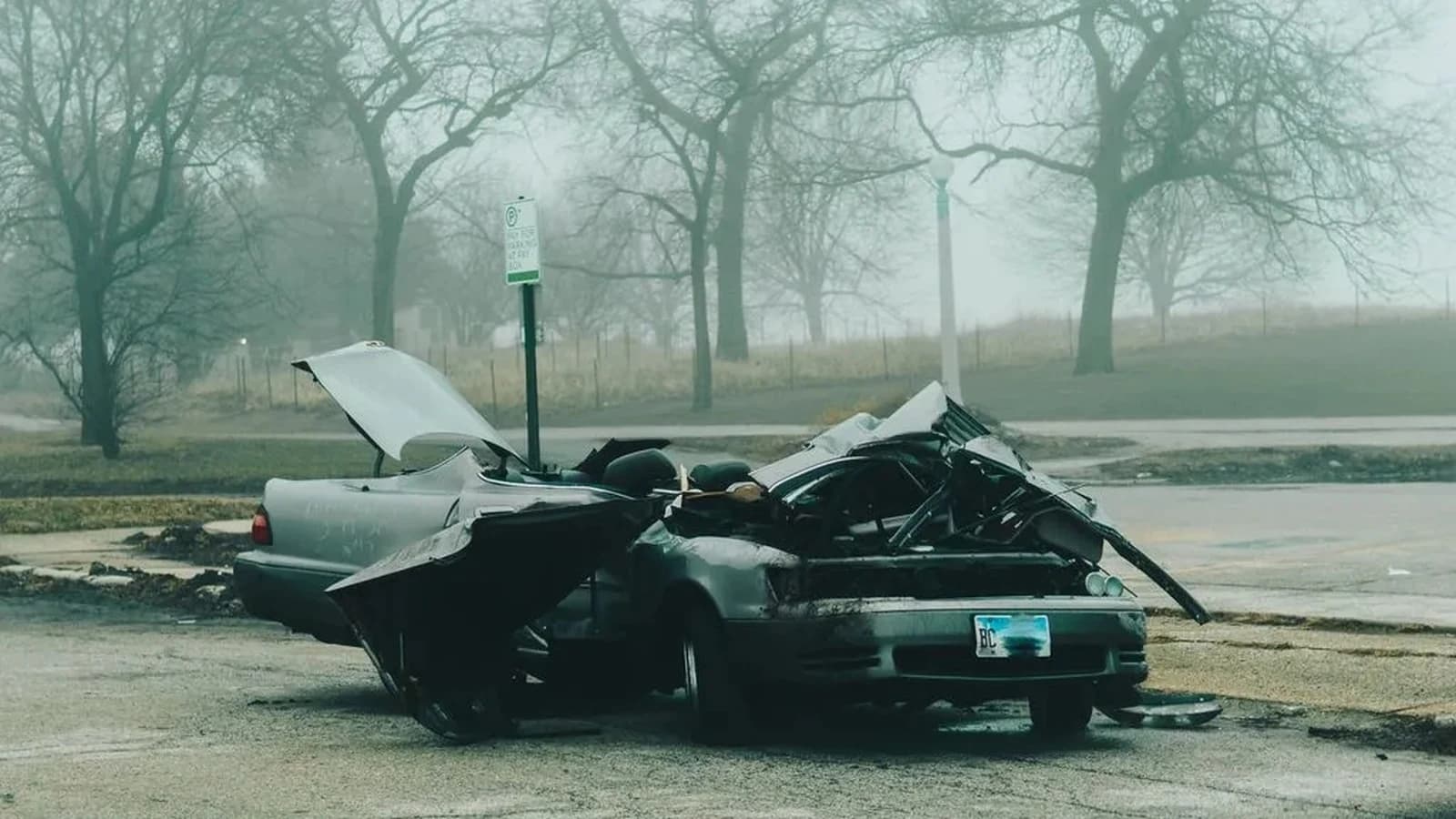
When a Temple crash produces a spinal cord injury, a traumatic brain injury, severe burns, or a death, the stakes change completely, and Temple's role as the regional Level I trauma hub means the most serious cases from across Central Texas are stabilized here, anchoring the medical record but raising the value of every coverage layer.
Life-care planning and future medicals in a high-stakes case
A catastrophic injury is defined less by the moment of impact than by the lifetime of consequences. Spinal cord injuries can mean permanent paralysis and lifelong attendant care; a severe TBI can alter cognition and earning capacity; burns require staged surgeries and decades of treatment. These cases are built on future medicals and a formal life-care plan: a projection of every surgery, therapy, medication, adaptive device, and care hour the injured person will need, valued over a lifetime. Temple's advantage here is the medical record: because Baylor Scott & White Temple is a Level I trauma center with trauma surgery, neurosurgery, and orthopedic subspecialists on-site, the causation chain on a serious crash is unusually well documented. The life-care projection has to be anchored in that actual treating-provider record across the full course of care, not in estimates the defense can pick apart.
Regional reach, wrongful death, and the coverage stack
Because Baylor Scott & White Temple pulls the most serious crash, pedestrian, and burn cases from across Bell, Coryell, Milam, and Falls counties, a client catastrophically hurt elsewhere in Central Texas may end up with their primary record at the Temple campus even though the crash, and the venue, lie in another county. We map the precise crash location against county lines because it sets where the case is filed and which jury pool hears it. Where a crash is fatal, the Texas wrongful death and survival statutes let a surviving spouse, children, and parents recover for their losses and for the decedent's final harm, with Chapter 33 proportionate responsibility still applying. Because limits on an ordinary policy rarely match a catastrophic loss, identifying every layer — the at-fault coverage, any commercial or umbrella policy, and the client's own UM/UIM — is often decisive to a real recovery.




Frequently asked
Temple catastrophic injury questions
- Because the full extent of the harm has to be known before the case can be valued. A spinal, brain, or burn injury needs time for the medical picture to stabilize and for a life-care plan to project decades of future treatment and cost. Settling early risks leaving future surgeries and care unpaid. The work is in documenting the lifetime need, not the initial hospital bill.
- Venue follows the crash location, not where the treatment occurred. Because the Temple trauma center draws serious cases from across Central Texas, the medical record may sit in Temple while the file belongs in another county's district court. We map the crash location against county lines at intake, since it sets the venue and the jury pool that hears the case.
- Under the Texas wrongful death statute, the surviving spouse, children, and parents may recover for their losses, and a survival claim can recover for the harm the decedent suffered before death. A fatal Temple crash is filed in the Bell County district courts in Belton, and Chapter 33 proportionate responsibility still applies. Identifying every available insurance layer is critical in a fatal case.
- A life-care plan is a documented projection of every surgery, therapy, medication, adaptive equipment, and care hour a catastrophically injured person will need over their lifetime, valued in today's dollars by a certified planner. Without it, the future-medical component of a claim is unsupported and the defense can dismiss it as speculation. In a case filed in Bell County district court in Belton, that projection has to be anchored in the actual Baylor Scott & White Temple treating-provider record to withstand cross-examination.
- Yes, when the conduct meets the clear-and-convincing gross negligence standard under Tex. Civ. Prac. & Rem. Code § 41.003: an objectively extreme risk that the defendant was consciously aware of and disregarded. Commercial defendants with falsified hours-of-service logs or documented prior safety violations on an I-35 corridor case are the most common fact patterns where exemplary damages are seriously evaluated. The analysis is fact-specific and is assessed at intake.
- Not necessarily. If the at-fault driver was operating a commercial vehicle in the course of employment, the employer's commercial auto policy and any umbrella layer are proper targets. Your own UM/UIM coverage also applies when the at-fault coverage is insufficient. In a catastrophic injury case, identifying every available insurance layer — personal, commercial, umbrella, and first-party — is often the central financial issue in the case.
Where we work from
Downtown Austin. Temple clients welcome.
Our office is in downtown Austin; we represent Temple-area clients statewide and travel to Temple for case-specific needs (scene visits, medical-records consultations, court appearances). Home and hospital visits when injuries make travel difficult.
Talk to a Temple catastrophic injury lawyer.
Free case review, no obligation. We'll tell you straight whether we can help.