
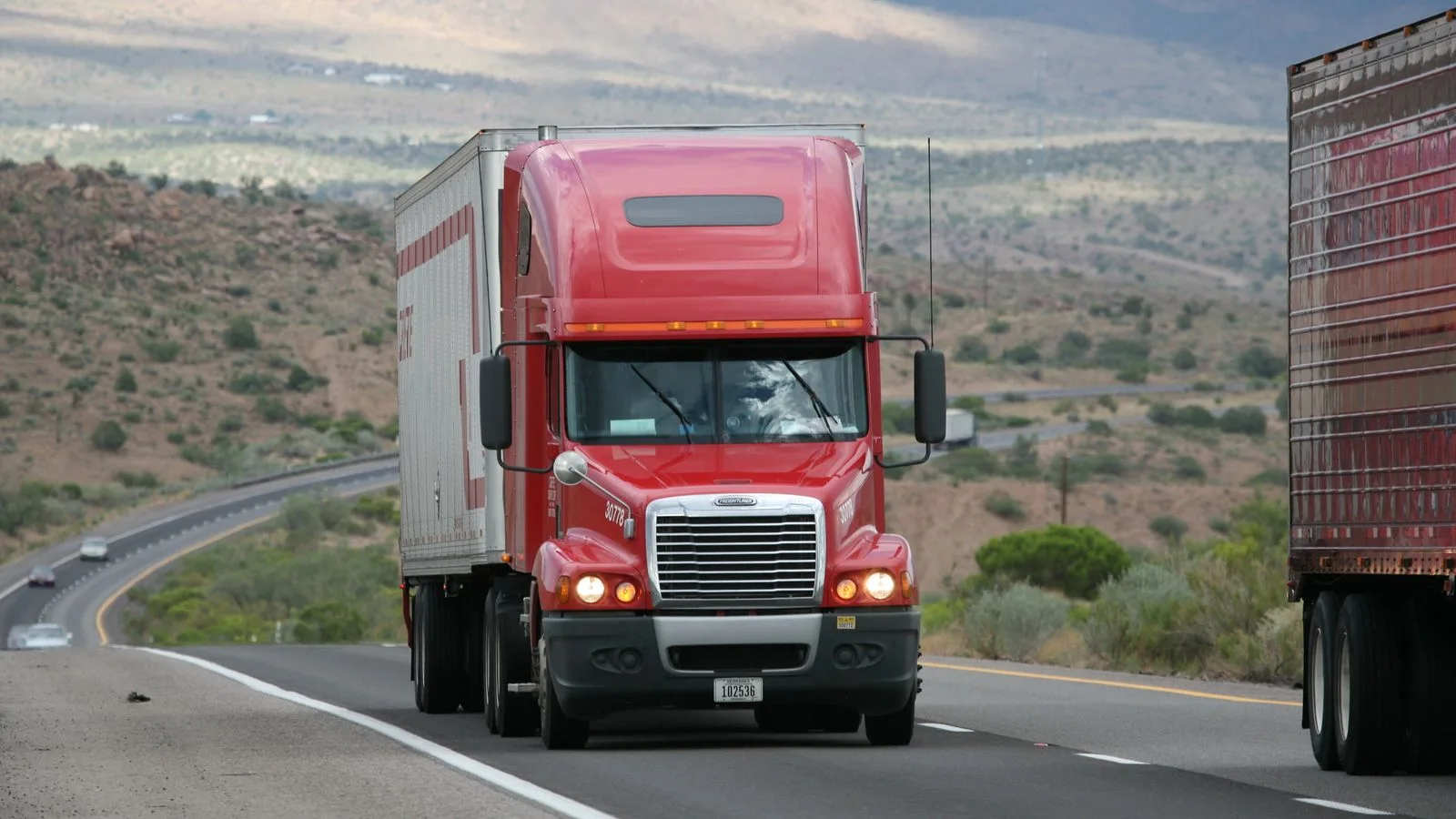
Temple · Truck Accident
Temple Truck Accident Lawyer
A commercial truck crash claim in Temple arises when a tractor-trailer or other regulated commercial motor carrier vehicle strikes another vehicle on a freight corridor like I-35 through Bell County, triggering both Texas negligence law and the Federal Motor Carrier Safety Regulations governing the carrier's ELD records, driver-qualification files, and hours-of-service compliance. Unlike a passenger-car case, the motor carrier itself is typically a named defendant alongside the driver, liable under respondeat superior and for direct negligent hiring or supervision. Serious truck collision claims are filed in the Bell County district courts in Belton, and the two-year statute under § 16.003 applies, but the practical evidence window is far shorter because telematics and dispatch data begin cycling off within weeks of the crash.
Why Temple cases are different
Temple sits on one of the heaviest tractor-trailer segments in Texas, where the DFW logistics belt feeds the Austin–San Antonio metroplex straight through Bell County, and the city's own distribution and rail-transfer infrastructure adds local freight to the I-35 long-haul stream, changing a truck case entirely.
FMCSA evidence and the I-35 long-haul corridor
When an 18-wheeler or commercial vehicle is involved, the analysis shifts from ordinary negligence to the Federal Motor Carrier Safety Regulations. Hours-of-service limits, electronic logging device records, driver-qualification files, post-crash drug-and-alcohol testing, and the carrier's maintenance and inspection history all become discoverable, none of which exists in a two-car collision. On the Temple stretch of I-35, where the FM-2305-to-SH-53 corridor stacks during evening rush and long-haul trucks running between Dallas and Austin compress the gap, a fatigued or distracted commercial driver who fails to slow with traffic is a recurring pattern. The ELD and onboard telematics often capture speed and braking in the seconds before impact, but the data has short retention windows: ELD logs, dashcam footage, and dispatch records can roll off within thirty to ninety days under standard carrier schedules, so a preservation letter in the first two weeks frequently decides the liability fight.
Employer liability and the commercial policy stack
Commercial trucks carry liability limits well above a Texas personal-policy minimum, and they often sit beneath an umbrella layer, which means the available coverage can match a serious injury rather than being capped at a passenger-car floor. Beyond the driver, the motor carrier can be directly liable for negligent hiring, training, supervision, or for dispatching a driver in violation of hours-of-service rules, and brokers, shippers, and maintenance contractors sometimes share responsibility. Because Temple hosts genuine distribution and rail-transfer operations, a local delivery or drayage rig can be as much a part of the picture as a through-running long-hauler. When a non-Texas carrier is involved, federal diversity removal is a live question that we evaluate before filing, since the venue choice can affect both the timing and the settlement value of the file.




Frequently asked
Temple truck accident questions
- Commercial carriers are governed by the Federal Motor Carrier Safety Regulations, which create evidence a car case does not have: hours-of-service logs, electronic logging device data, driver-qualification files, and maintenance records. The carrier itself can be liable beyond the driver, and commercial policies typically carry far higher limits, often beneath an umbrella layer. That changes both the investigation and the recovery.
- Quickly. ELD data, dashcam footage, and dispatch logs often cycle off within thirty to ninety days on standard carrier retention schedules. A preservation letter sent to the carrier in the first two weeks helps lock down the logs, the driver file, and the maintenance history before they disappear. The sooner counsel is involved on a Temple I-35 case, the more evidence survives.
- It can. A crash inside Temple points to Bell County district court in Belton, but a non-Texas carrier opens the possibility of federal diversity removal and sometimes alternative state venues. The choice can materially affect the timing and value of the file, so we run that venue analysis before filing rather than after.
- Yes. Under respondeat superior the motor carrier is vicariously liable for a driver operating within the scope of employment. Beyond that, carriers can be directly liable for negligent hiring, training, supervision, or for dispatching a driver in violation of hours-of-service rules. Even if the driver is technically an independent contractor, federal regulations often hold the carrier responsible for whose authority the truck operates under.
- Falsified ELD logs or paper logbooks can support a gross negligence claim under Texas law, which opens the door to exemplary damages under Tex. Civ. Prac. & Rem. Code § 41.003. The ELD timestamp data, if preserved, is compared against GPS pings and fuel receipts to expose gaps or alterations. That is one reason preservation letters in the first days matter: the actual electronic record is harder to alter retroactively than paper.
- No, provided you follow up promptly with appropriate diagnostics. Disc herniations and nerve injuries from high-force rear-end impacts often do not appear on ER imaging. Continuing to document your symptoms at outpatient clinics and obtaining follow-up MRI creates the medical chronology the claim needs. Accepting an early settlement offer before that imaging is done risks closing a claim for far less than the true injury warrants.
Where we work from
Downtown Austin. Temple clients welcome.
Our office is in downtown Austin; we represent Temple-area clients statewide and travel to Temple for case-specific needs (scene visits, medical-records consultations, court appearances). Home and hospital visits when injuries make travel difficult.
Talk to a Temple truck accident lawyer.
Free case review, no obligation. We'll tell you straight whether we can help.