
Tyler · Car Accident
Tyler Car Accident Lawyer
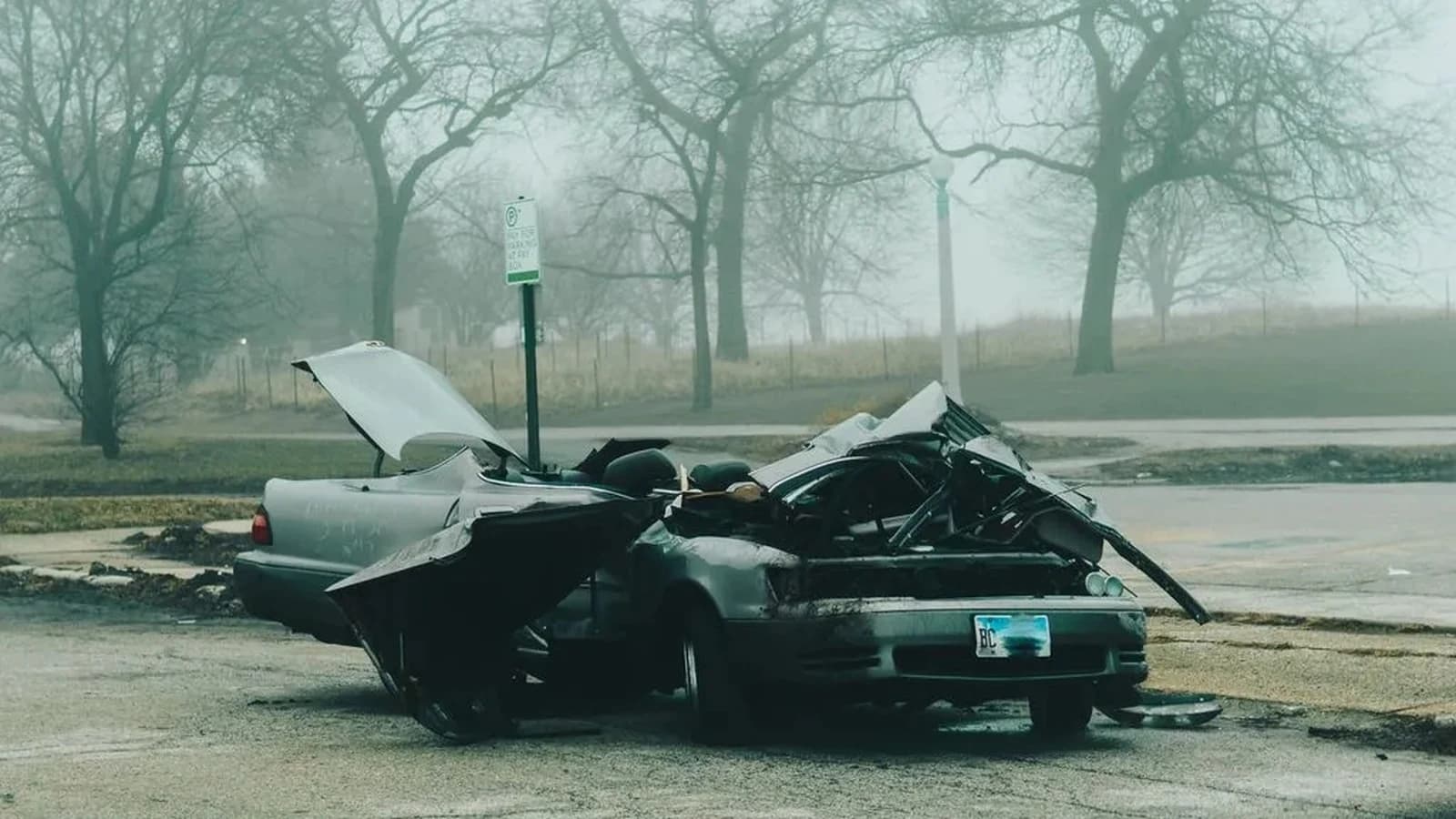
A car accident claim in Tyler arises when a negligent driver causes a collision involving a passenger vehicle on Smith County roads, from the high-speed freight lanes on I-20 near the FM-14 interchange to the signalized stack points on US-69 through downtown. Texas is an at-fault state governed by modified comparative fault under Chapter 33: your recovery is reduced by your share of responsibility, and if your fault exceeds 50 percent you recover nothing. The two-year deadline under Tex. Civ. Prac. & Rem. Code § 16.003 applies from the date of injury. Injuries that look minor at a Loop 323 scene often reveal disc or neurological damage once imaging is done at UT Health East Texas.
Why Tyler cases are different
Most Tyler crash files trace back to four corridors: I-20 across the north of Smith County, the Loop 49 toll ring, US-69 through downtown, and the two-lane US-271 toward Gilmer. Each produces a different collision pattern and a different fault picture under Texas law.
Where Tyler collisions cluster and why fault differs
The corridor a crash happens on shapes how liability gets argued. Rear-end stacks at the Loop 323 signals on US-69 and the high-speed approaches near the FM-14 interchange on I-20 tend to be straightforward following-too-closely cases, but they still hinge on signal timing and stopping distance. Loop 49's newer ramp geometry at the Old Jacksonville and Paluxy interchanges generates merge collisions where both drivers may share some blame. US-271 toward Gilmer is the outlier: a two-lane rural highway producing head-on and lane-departure crashes where speed and oncoming traffic make injuries worse and fault harder to reconstruct. We match the evidence we preserve to the corridor, because a downtown signal case and a rural head-on are built very differently.
Chapter 33 proportionate responsibility and your recovery
Texas follows modified comparative fault under Chapter 33 of the Civil Practice and Remedies Code. A jury assigns each party a percentage of responsibility, and your recovery is reduced by your share; if you are found more than 50 percent at fault, you recover nothing. That bar matters most in the merge and lane-change crashes Loop 49 produces, where insurers reflexively try to push blame onto the injured driver to cross the 51 percent line. We counter that early by securing physical evidence, scene photographs, and any available signal or telematics data before it disappears. On a Smith County jury, which tends to weigh damages deliberately, a clean liability presentation that keeps your fault percentage low directly protects the dollar value of the claim.



Frequently asked
Tyler car accident questions
- Be cautious. Early offers usually arrive before the full injury picture is known, and an ER discharge does not rule out a disc or soft-tissue injury that surfaces days later. Once you accept and sign a release, the claim is closed even if your condition worsens. It is reasonable to get a diagnosis and a clear treatment path before deciding whether an offer is fair.
- You can still recover under Texas's modified comparative fault rule, as long as your share of responsibility is 50 percent or less. Your award is reduced by your percentage of fault. Because insurers often try to inflate the injured party's share past that 51 percent cutoff, preserving scene evidence and any signal or vehicle data early is important to keep your assigned fault accurate.
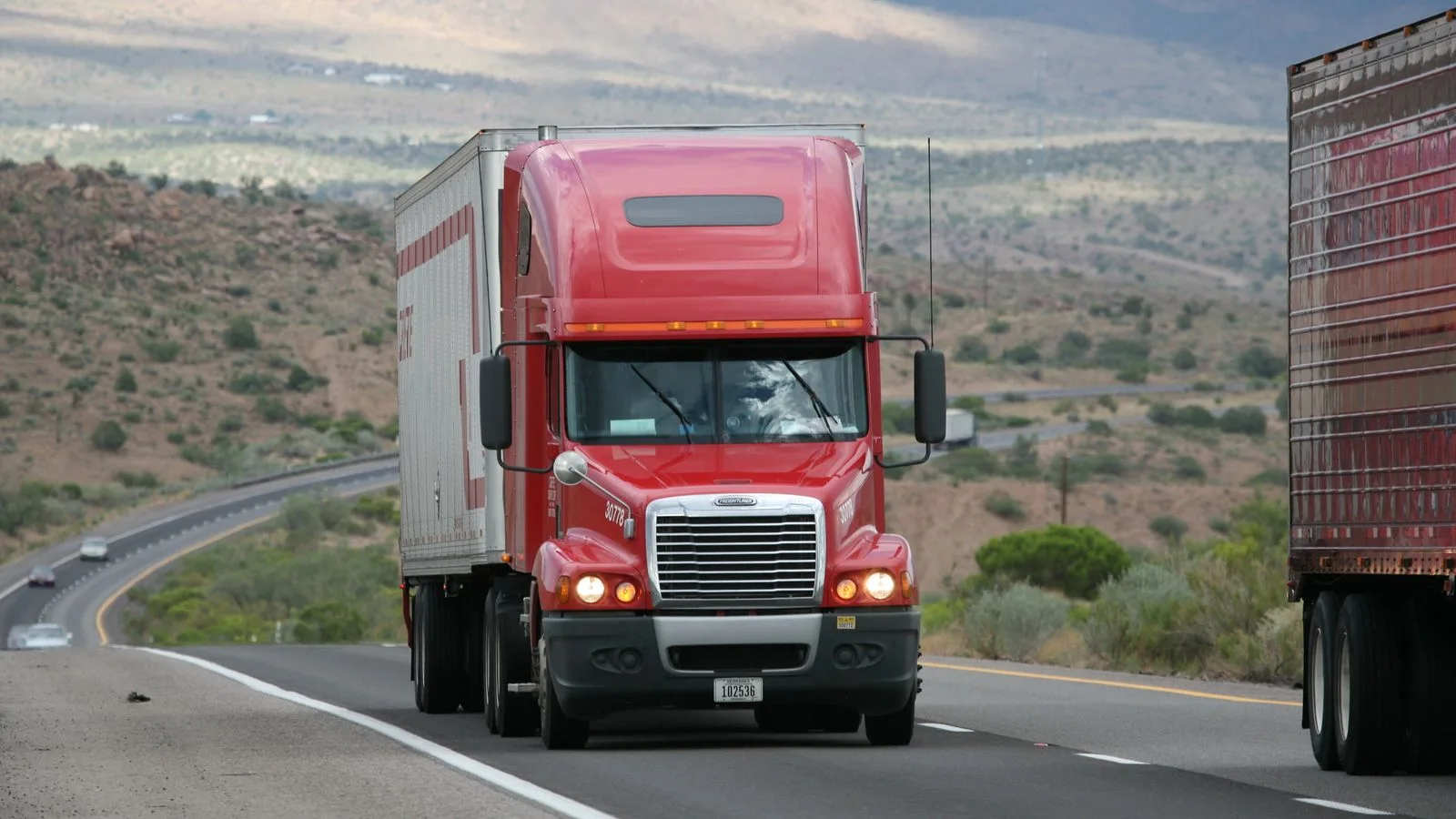
- UM/UIM is optional coverage on your own auto policy that pays when the at-fault driver has no insurance or too little to cover your harm. Given the long-haul and oilfield-service traffic moving through Smith County, an at-fault driver may carry only minimum limits. If you have UM/UIM, it can fill the gap; we review your declarations page to confirm what coverage is actually available.
- If you are physically able, document the scene with your phone: photographs of vehicle positions, damage, the road surface, any signals or signs, and the other driver's plate and insurance information. Request a crash report from the responding Tyler Police Department or Smith County Sheriff's unit and obtain the report number. Avoid giving a recorded statement to any insurer before speaking with an attorney, because what you say in the first 24 hours can be used to assign you a higher fault share.
- Yes. A rear-end on US-69 near the Loop 323 signals is typically a signal-timing and following-distance case; a merge crash on Loop 49 at the Old Jacksonville interchange involves different physical evidence. Rural crashes on US-271 toward Gilmer produce more severe injuries and more contested fault because the higher speeds and lane-departure dynamics differ from a downtown signal case. We tailor evidence preservation to the specific corridor and collision type.
- If the crash occurred within Smith County, venue is proper in the Smith County district courts in downtown Tyler under Tex. Civ. Prac. & Rem. Code § 15.002. The court assignment is by random docket draw among the 7th, 114th, 241st, and 321st district courts. If the at-fault driver is a commercial defendant headquartered outside the county, additional venue options may open that can change the jury composition and the defense bar on the other side.
Where we work from
Downtown Austin. Tyler clients welcome.
Our office is in downtown Austin; we represent Tyler-area clients statewide and travel to Tyler for case-specific needs (scene visits, medical-records consultations, court appearances). Home and hospital visits when injuries make travel difficult.
Talk to a Tyler car accident lawyer.
Free case review, no obligation. We'll tell you straight whether we can help.