
Tyler · Pedestrian Accident
Tyler Pedestrian Accident Lawyer
A pedestrian or bicycle accident claim in Tyler involves a motor vehicle striking a person on foot or on a bicycle on a Smith County street or crosswalk, where the struck person's lack of protection typically produces severe injuries routed to UT Health East Texas on Beckham Avenue. Texas Transportation Code provisions require drivers to yield to pedestrians in marked crosswalks, and cyclists operating on public roads have the same rights and duties as motor-vehicle drivers. Modified comparative fault under Chapter 33 applies, and the two-year deadline under Tex. Civ. Prac. & Rem. Code § 16.003 governs, with a separate six-month notice requirement for claims against a governmental entity such as the City of Tyler.
Why Tyler cases are different
Pedestrians and cyclists in Tyler are most exposed at the busy downtown signals along US-69 and the Loop 323 corridor, where commuter and oilfield-service traffic stacks and turning drivers scan for cars rather than people. When a person on foot or a bike is struck, the injuries are severe and the right-of-way question is decisive.
Right-of-way and crosswalk rules at Tyler intersections
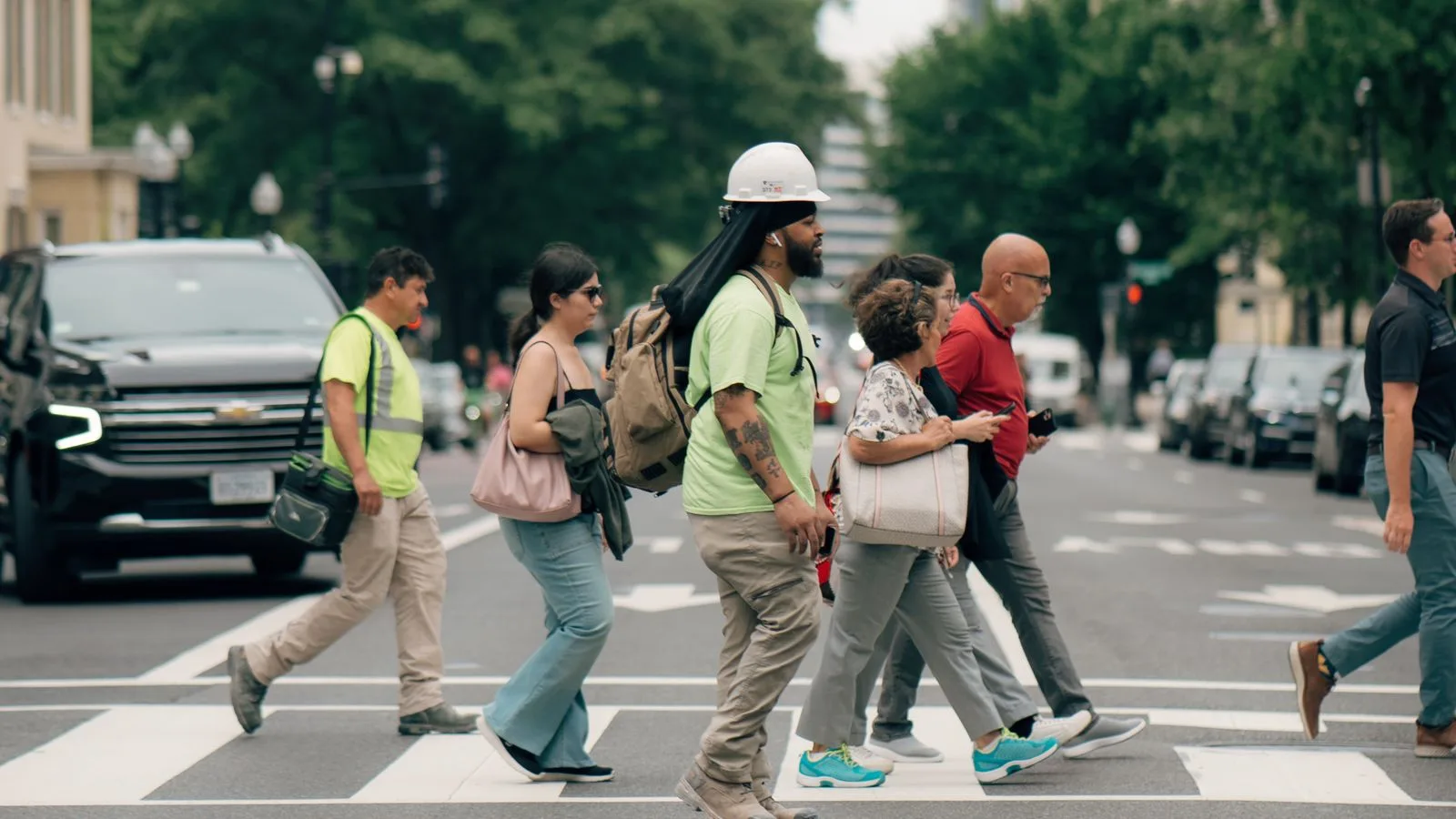
Texas law gives pedestrians the right of way in marked crosswalks and at intersections under several Transportation Code provisions, and turning drivers must yield. At the Loop 323 signals on US-69, where traffic stacks during commuter hours, the typical pedestrian crash is a right- or left-turning driver who watches for a gap in vehicle traffic and never looks for someone in the crosswalk. Cyclists face the same inattention plus the added risk of being squeezed in lanes never designed for them. Establishing who had the right of way, the signal phase at the moment of impact, and where exactly the person was in the crossing is the heart of these cases. We obtain City of Tyler signal-timing data and any available video, because a pedestrian's lawful position in a crosswalk reframes the entire fault analysis.
Severe injuries and the comparative-fault fight
A person on foot or a bicycle has no crumple zone, so even a low-speed strike at a downtown signal can cause fractures, head injuries, or internal trauma that route through UT Health East Texas, the region's Level I trauma center on Beckham Avenue. The medical stakes are high, and so is the comparative-fault pressure: insurers routinely argue the pedestrian darted out, crossed against the signal, or wore dark clothing, all aimed at pushing fault past the 51 percent bar that would end the claim under Chapter 33. We counter with the physical evidence, the driver's duty to yield, and the trauma chronology from UT Health, which often documents injuries far more serious than the scene suggested. Anchoring the pedestrian's lawful crossing position is what keeps their fault share low and the recovery intact.





Frequently asked
Tyler pedestrian accident questions
- Not automatically, but Texas law generally requires drivers to yield to pedestrians in marked crosswalks and at intersections, which favors you. The driver's failure to look for people while turning is a common cause at the Loop 323 and US-69 signals. We establish the signal phase and your position in the crossing using City signal-timing data and any video to confirm you had the right of way.
- That argument is aimed at Texas's comparative-fault rule, because if your fault exceeds 50 percent you recover nothing. We push back with physical evidence, the point of impact, signal timing, and witness accounts that show you were crossing lawfully. The driver's duty to watch for pedestrians is central. Keeping your assigned fault share low is what preserves the claim and the recovery amount.
- Pedestrian and cyclist injuries are often more serious than they look at the scene because there is no protection from the impact. UT Health, the regional Level I trauma center, may treat fractures, head injuries, or internal trauma across several specialists. We pull the complete record set, not just the ER summary, because the full chronology frequently establishes the true severity and supports the actual value of the claim.
- Yes. Texas Transportation Code Section 545.418 makes it unlawful to open a vehicle door into the path of moving traffic, and a cyclist struck by a door opening has a valid negligence claim against the person who opened it. The cyclist-as-vehicle rules under Section 551.101 mean you had the same right to the road as any other vehicle. We document your lane position, the vehicle's location, and the full injury record from UT Health or Christus Mother Frances to build the demand.
- Claims against governmental entities in Texas require written pre-suit notice within six months under the Texas Tort Claims Act, which is earlier than the two-year general deadline under Section 16.003. Missing the notice deadline can end the claim against a government defendant entirely. If a defective signal, missing crosswalk markings, or a TxDOT-maintained road condition contributed to the crash, we identify the governmental defendant and send notice promptly.
- You may have coverage through your own auto policy even as a pedestrian or cyclist. Uninsured and underinsured motorist coverage extends to the named insured and household members as pedestrians or cyclists under Texas law, provided the coverage was not rejected in writing. We review your declarations page to confirm what layers are available and pursue every source of recovery before treating the case as limited to the at-fault driver's missing policy.
Where we work from
Downtown Austin. Tyler clients welcome.
Our office is in downtown Austin; we represent Tyler-area clients statewide and travel to Tyler for case-specific needs (scene visits, medical-records consultations, court appearances). Home and hospital visits when injuries make travel difficult.
Talk to a Tyler pedestrian accident lawyer.
Free case review, no obligation. We'll tell you straight whether we can help.