
Austin · Car Accident
Austin Car Accident Lawyer
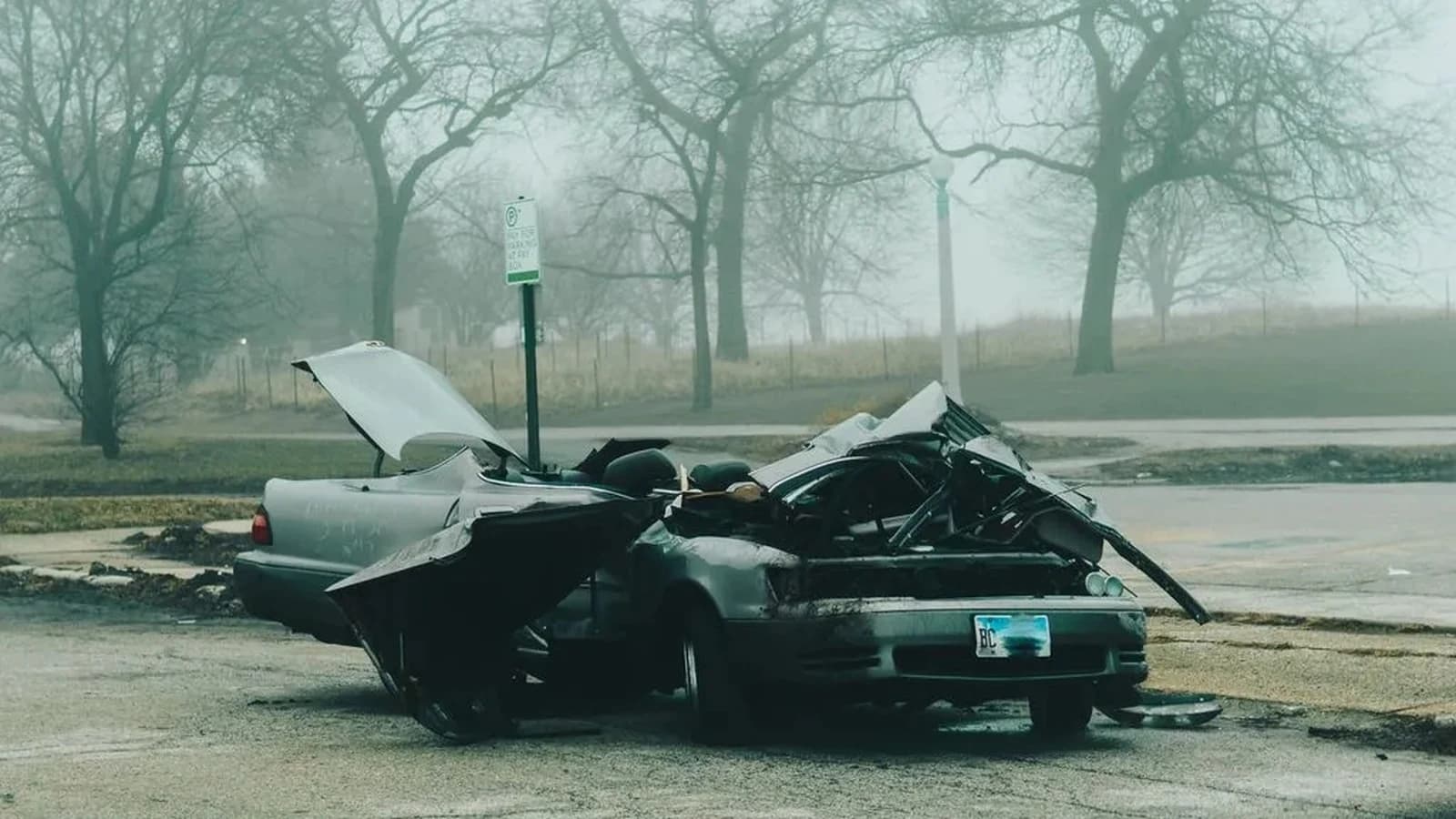
A car accident claim in Austin is a Texas fault-based personal-injury case governed by Tex. Civ. Prac. & Rem. Code § 16.003's two-year limitations period and the Chapter 33 modified comparative-fault rule: a claimant who is 51 percent or more at fault recovers nothing. The bulk of serious passenger-vehicle crash claims in this city arise from collisions on I-35 and MoPac (Loop 1), and are filed in Travis County district court. Texas's at-fault insurance framework means the negligent driver's carrier is the primary target, though a claimant's own UM/UIM policy may become essential when that driver carries minimum limits or none at all.
Why Austin cases are different
Most Austin crash files we open trace back to a handful of corridors: the rear-end stack-ups on I-35 between US-290 and Ben White, and the high-speed merge collisions where MoPac's express lanes feed back into general traffic. Those local patterns, paired with Texas fault rules, shape how a claim gets built.
Proportionate responsibility on Austin's busiest corridors
Texas decides fault under the Chapter 33 proportionate-responsibility framework, and a claimant who is found 51 percent or more at fault recovers nothing. That bar matters on the exact roads where Austin crashes cluster. A rear-end impact in the I-35 stop-and-go between US-290 and Ben White looks straightforward, but defense adjusters routinely argue the lead driver braked abruptly, changed lanes late, or had non-working brake lights to push fault past the threshold. The same logic surfaces in MoPac merge-and-sideswipe collisions at RM-2222 and Cesar Chavez, where the dispute is which driver had the lane. We build the percentage argument early — physical damage location, EDR data, and the police narrative — because the fault split, not just the injury, drives what the case is worth.
Why the ER discharge is not the whole injury picture
Austin emergency rooms run consistently high acuity, which means fast triage, quick discharges, and instructions that often understate what is actually wrong. After a freeway collision a client may leave Dell Seton, St. David's, or an Ascension Seton ER with a contusion note while a disc or soft-tissue injury surfaces days later at follow-up. The at-fault insurer reads that thin discharge and anchors its offer low. The whole case can turn on whether the follow-up record exists. We move clients into appropriate imaging and physical-medicine follow-up promptly so the medical chronology matches the demand, and we line up any Texas UM/UIM coverage at intake in case the at-fault driver carries minimum limits or none at all.
More in Austin
Other ways we help Austin injury victims.




Frequently asked
Austin car accident questions
- Be cautious. Insurers in this market know that a fast offer arriving before you have had imaging or follow-up care anchors the file low. Many serious Austin injuries — disc, soft-tissue, hairline fractures — are not fully visible on the initial ER record and only surface days later. Once you sign a release the file is closed for good. It is worth completing your follow-up care and getting a medical chronology in place before deciding.
- Often yes. Texas uses proportionate responsibility: you can recover as long as you are not found 51 percent or more at fault, and your award is reduced by your share. So if you were 20 percent responsible for an MoPac merge collision, you still recover 80 percent of your damages. Because the percentage drives the outcome, expect the insurer to push your share upward, and expect us to push back with the physical evidence.
- Your own uninsured/underinsured motorist coverage may step in. Texas drivers are not required to carry UM/UIM, but if you have it, it can pay when the at-fault driver carries state-minimum limits or none. We pull your declarations page at intake to identify every layer of coverage available, including UM/UIM and any resident-relative policies, before we frame the claim.
- For legal purposes the same Texas fault rules and the two-year limitations deadline under § 16.003 apply regardless of which road. For practical purposes it matters: a freeway crash on I-35 is investigated by state or city traffic officers and typically generates a more detailed crash report than an urban intersection collision. It also tends to involve higher speeds, which changes both the injury profile and the insurer's settlement posture.
- Two years from the date of the collision under Tex. Civ. Prac. & Rem. Code § 16.003. There is no separate Austin or Travis County deadline. Limited exceptions apply: for minors and for claims against governmental entities, which require pre-suit notice within six months. Treat the two-year date as firm and consult counsel well before it arrives so evidence is preserved while still recoverable.
- Personal injury suits above the justice-court limit in Travis County are filed in one of the civil district courts — including the 53rd, 98th, 126th, 200th, 201st, 250th, 261st, 345th, 353rd, 419th, and 459th District Courts — assigned by random docket draw. The court assignment itself is less strategic than the venue decision: if the at-fault driver or their employer is based outside Travis County, other Texas counties may also be proper venues, and that choice can affect trial timing and jury composition.
Where we work from
Downtown Austin. Austin clients welcome.
Our office is in downtown Austin; we represent Austin-area clients statewide and travel to Austin for case-specific needs (scene visits, medical-records consultations, court appearances). Home and hospital visits when injuries make travel difficult.
Talk to a Austin car accident lawyer.
Free case review, no obligation. We'll tell you straight whether we can help.