
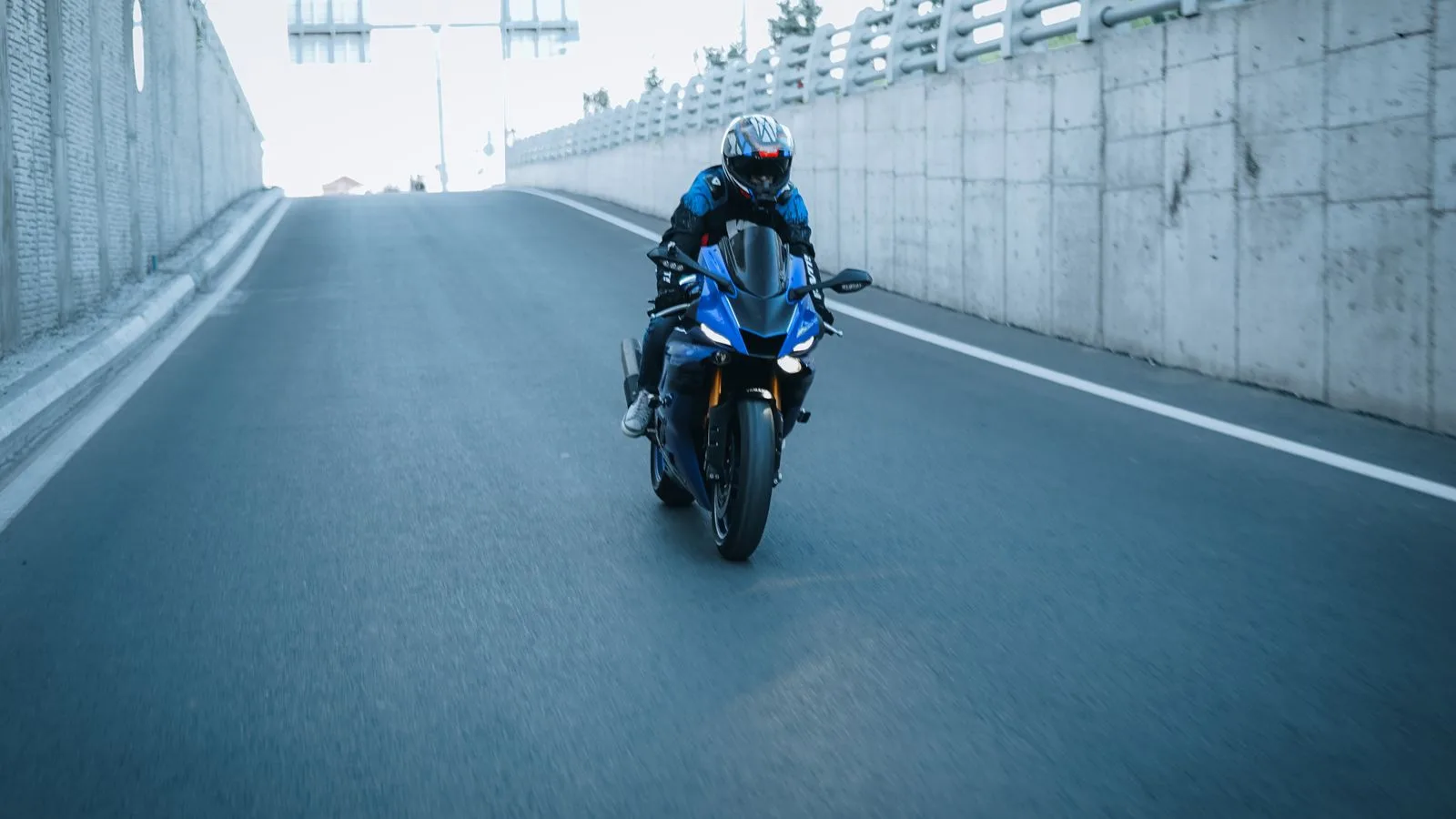
Baytown · Motorcycle Accident
Baytown Motorcycle Accident Lawyer
A motorcycle accident claim in Baytown follows Texas fault-based negligence rules, but riders face two compounding challenges that car-accident victims do not: juries sometimes assume motorcyclists are reckless without evidence, and the injuries are far more severe because there is no vehicle structure to absorb impact. Under Texas modified comparative fault, a rider can still recover if their share of fault is 50 percent or less; the fight is keeping that percentage honest when an insurer pushes a rider-bias narrative. Baytown's road mix, from Garth Road intersection traffic during shift changes to the Fred Hartman Bridge's crosswinds on SH-146, creates specific crash patterns that a solid liability file has to address. Venue turns on the Harris/Chambers county line running roughly along Cedar Bayou, with Harris County cases filing at 201 Caroline in Houston.
Why Baytown cases are different
A Baytown motorcycle rider shares the road with heavy refinery and tanker traffic on SH-146 and the Fred Hartman Bridge: high-speed winds, narrow lanes, and steep approach grades that turn an ordinary lane-change or left-turn error by another driver into a catastrophic event for the rider.
Rider bias and the left-turn and lane-change crashes that define these cases
The most common serious motorcycle collisions involve a driver who turns left across a rider's path or merges into a lane the rider already occupies: the classic "I didn't see the motorcycle" failure of right-of-way. On Baytown arterials like Garth Road, Decker Drive, and Spur 330, intersection traffic spikes during plant shift changes, and a left-turning driver crossing in front of an oncoming rider is a recurring pattern. Riders also face an unfair headwind: insurers and some jurors carry an unspoken bias that motorcyclists are reckless. That bias gets answered with facts: speed reconstruction, sightline analysis at the intersection, and the physical evidence of where the impact occurred. Texas proportionate responsibility under Chapter 33 means a rider who is wrongly assigned excess fault can lose recovery entirely, so neutralizing the bias narrative is not optional; it is the core of the liability case.
Severe injuries and the Fred Hartman Bridge hazard pattern
A rider has no crumple zone, so the injuries that come out of Baytown motorcycle crashes are disproportionately severe: orthopedic trauma, road rash requiring grafts, and head injuries even with a helmet. The SH-146 crossing of the Houston Ship Channel on the Fred Hartman Bridge produces a distinct danger for two-wheeled vehicles: high crosswinds, narrow lanes, and steep grades that drive lane-departure and rear-end crashes during weather events. For a rider, a wind gust or a following driver who misjudges the grade can be deadly. Serious cases are often stabilized at Houston Methodist Baytown Hospital on Garth Road and, for polytrauma, transferred west on I-10 to Memorial Hermann-TMC inside the 610 Loop, frequently via Life Flight. Building the damages picture means following the post-discharge records, because the full extent of orthopedic and neurological injury frequently surfaces in follow-up rather than the first ER visit.
More in Baytown
Other ways we help Baytown injury victims.


Frequently asked
Baytown motorcycle accident questions
- It usually helps you. A driver who turns left or changes lanes into a rider they failed to see has generally violated the rider's right-of-way, which supports the driver's negligence. The challenge is rider bias: the assumption that the motorcyclist was speeding or weaving. We answer it with speed reconstruction, intersection sightline analysis, and physical evidence so the file rests on facts, not stereotypes.
- Initial stabilization often happens at Houston Methodist Baytown Hospital on Garth Road or Altus Baytown Hospital on Decker Drive. Severe polytrauma, common in motorcycle crashes given the lack of any protective structure, frequently transfers west on I-10 to Memorial Hermann-TMC inside the 610 Loop, sometimes by Life Flight. The full injury picture, especially orthopedic and neurological, often appears in follow-up imaging rather than the first ER chart.
- Possibly. Texas uses proportionate responsibility under Chapter 33: you can recover as long as your share of fault is 50 percent or less, with your damages reduced by your percentage. Insurers often try to inflate a rider's fault to push you over that line. Solid liability evidence at the intersection and a credible reconstruction are what keep your assigned percentage where the facts actually put it.
- Texas law allows riders 21 and older to ride without a helmet if they carry at least $10,000 in medical-payment coverage or have completed an approved safety course. If you were helmetless and suffered a head injury, the insurer will argue your lack of a helmet contributed to those injuries, but that argument requires a causal link between helmet absence and the specific head injury. For non-head injuries — a broken leg, for instance — your helmet status is legally irrelevant under Tex. Transp. Code § 661.003.
- Yes, and those hazards are recognized. The Fred Hartman Bridge carries SH-146 across the Houston Ship Channel between Baytown and La Porte on steep approach grades with narrow lanes and persistent crosswinds. For two-wheeled vehicles, those conditions make a following driver's misjudgment or a wind gust far more dangerous than on a flat surface road. If a crash occurred on the bridge or the approach grades, the specific physical conditions of the roadway enter the liability and damages analysis.
- Two years from the date of the crash under Tex. Civ. Prac. & Rem. Code § 16.003. If a governmental entity is involved — for instance, a City of Baytown vehicle or a defective road surface — Texas Tort Claims Act notice requirements run on much shorter clocks. Venue will be in Harris County at 201 Caroline in Houston, or Chambers County at the Anahuac courthouse, depending on which side of the Cedar Bayou county line the crash occurred.
Where we work from
Downtown Austin. Baytown clients welcome.
Our office is in downtown Austin; we represent Baytown-area clients statewide and travel to Baytown for case-specific needs (scene visits, medical-records consultations, court appearances). Home and hospital visits when injuries make travel difficult.
Talk to a Baytown motorcycle accident lawyer.
Free case review, no obligation. We'll tell you straight whether we can help.