
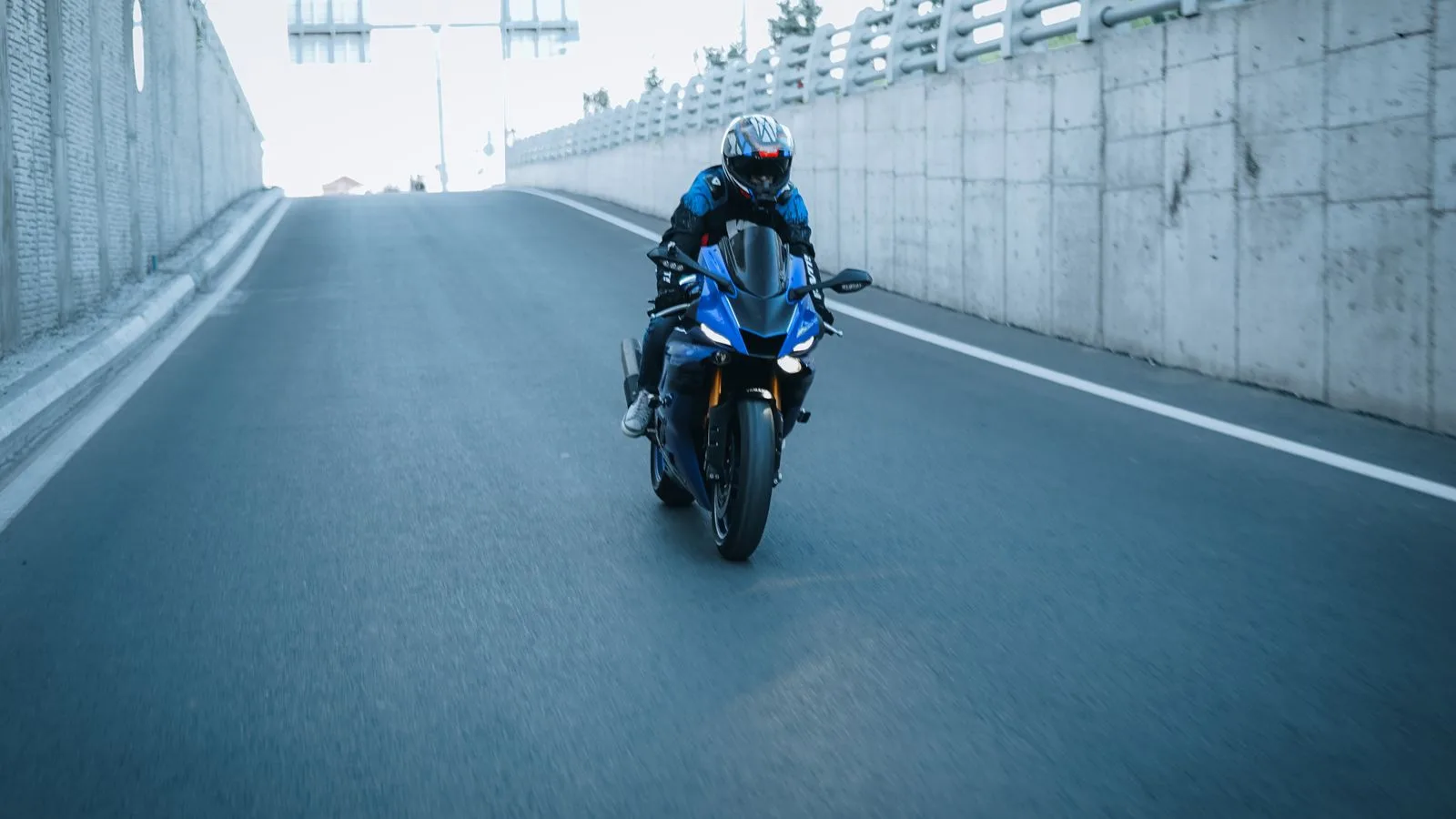
Bryan · Motorcycle Accident
Bryan Motorcycle Accident Lawyer
A motorcycle accident claim in Bryan arises when a motor vehicle strikes a rider on roads like Briarcrest Drive, Texas Avenue, or the SH-6 frontage, and the injured rider pursues a Texas fault-based negligence claim under the same Chapter 33 modified comparative fault framework that governs all personal injury matters in Brazos County. Because Texas is not a no-fault state, the at-fault driver owes the rider full damages, but the rider faces an uphill fight on bias, as juries often assume motorcyclists were at fault regardless of the actual facts. The most serious rider injuries in the Bryan area — fractures, road rash requiring grafting, and head trauma — typically route to CHI St. Joseph Regional on East 29th Street, and the two-year limitations period under Tex. Civ. Prac. & Rem. Code § 16.003 runs from the crash date.
Why Bryan cases are different
Riders in Bryan share SH-6's heavy through-traffic, the FM-21 transition where a city arterial narrows to a rural two-lane, and the older Texas Avenue grid. Each carries its own hazard, and each comes with the same uphill bias riders face when an insurer assumes the motorcyclist must have been speeding.
Left-turn and lane-change crashes on Bryan's corridors
The most common way Bryan riders get hurt is a driver who never registers the motorcycle: a left turn across the rider's path at an SH-6 frontage-road intersection, or a lane change into a rider on Briarcrest Drive or Texas Avenue. In Texas these turn on right-of-way and the driver's duty to look, and the physics usually leave the rider, not the car, with the serious injuries. Bias is the first obstacle: adjusters and jurors reach for an assumption that the rider was speeding or weaving, and Chapter 33 lets the insurer try to load fault onto the rider to cut the recovery. We counter it with the concrete record — the crash report, vehicle damage geometry, sight-line analysis at the intersection, and any signal or camera footage — so the file shows what actually happened rather than what the stereotype assumes.
Road hazards and the severity of rider injuries
The FM-21 corridor north of Bryan is where a city arterial gives way to a two-lane rural highway, and that transition concentrates the head-on and angle crashes that are catastrophic for an unprotected rider. Surface hazards along the older grid and the rural FM corridors — debris from agricultural and farm-equipment traffic, edge drop-offs, uneven pavement — turn a survivable car incident into a thrown-rider injury. Because a motorcyclist absorbs the energy directly, files routinely involve orthopedic trauma, road rash requiring grafting, and head injury even with a helmet, and the serious cases route to CHI St. Joseph Regional on East 29th Street with the most severe sometimes flown to a Level I center in Houston or Temple. We document the full injury chronology rather than the discharge note, because the ER often captures the contusion and the deeper damage surfaces at follow-up.



Frequently asked
Bryan motorcycle accident questions
- Rider bias is the first hurdle in nearly every motorcycle file. We rebut the assumption with evidence rather than argument: the crash report, vehicle damage geometry, sight-line analysis at the intersection, and any signal or camera footage. Under Chapter 33 the insurer will try to assign you fault to cut the recovery, so building the factual record early is what keeps that percentage honest.
- It can become an argument the defense raises, but it does not erase a claim, and Texas does not require every adult rider to wear one. The driver who turned across your path or changed lanes into you still owes a duty of care. We focus the case on the other driver's fault and document your injuries fully, while addressing any helmet argument head-on with the medical evidence.
- CHI St. Joseph Health Regional Hospital on East 29th Street is the primary trauma destination for serious Bryan-area crashes. The most severe multi-system injuries are sometimes helicopter-transported to a Level I center in Houston or Temple. We integrate records across whatever campuses appear in your chronology so the demand reflects the true injury picture, not just the first ER discharge.
- Yes. The FM-21 corridor north of Bryan concentrates head-on and angle crashes where the road narrows from a four-lane city arterial to a two-lane rural highway. That geometry — reduced lane width, faster through-traffic, less visibility — is part of the liability picture. We use road-condition evidence and the crash geometry to document what the driver should have seen and done at that specific location.
- Yes, if UM/UIM is on your own policy, it applies when the at-fault driver is uninsured or underinsured, including for motorcycle crashes. Texas requires insurers to offer UM/UIM but allows it to be rejected in writing. We check your declarations page at intake to confirm whether coverage is in place and advise on the notice and offset rules that govern a claim against your own carrier.
- Lane-change strikes on Briarcrest Drive during shift-change windows at CHI St. Joseph Regional are a recurring pattern. A driver who changes lanes without checking blind spots violates their duty of care to a rider in the adjacent lane. We document the physical evidence of the lane change — skid marks, vehicle positioning, and any traffic-camera footage at the FM-1179 corridor — before it disappears.
Where we work from
Downtown Austin. Bryan clients welcome.
Our office is in downtown Austin; we represent Bryan-area clients statewide and travel to Bryan for case-specific needs (scene visits, medical-records consultations, court appearances). Home and hospital visits when injuries make travel difficult.
Talk to a Bryan motorcycle accident lawyer.
Free case review, no obligation. We'll tell you straight whether we can help.